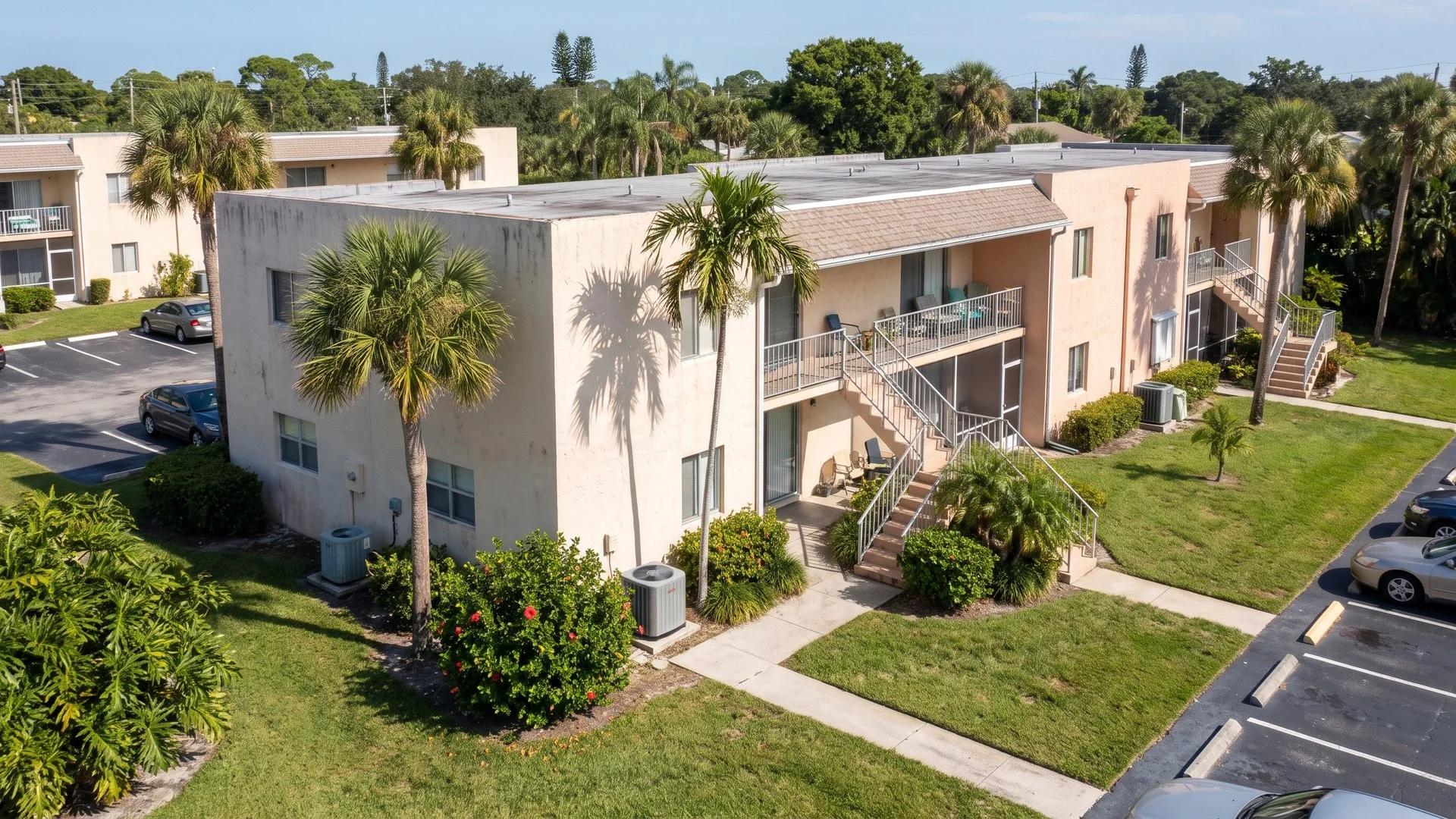
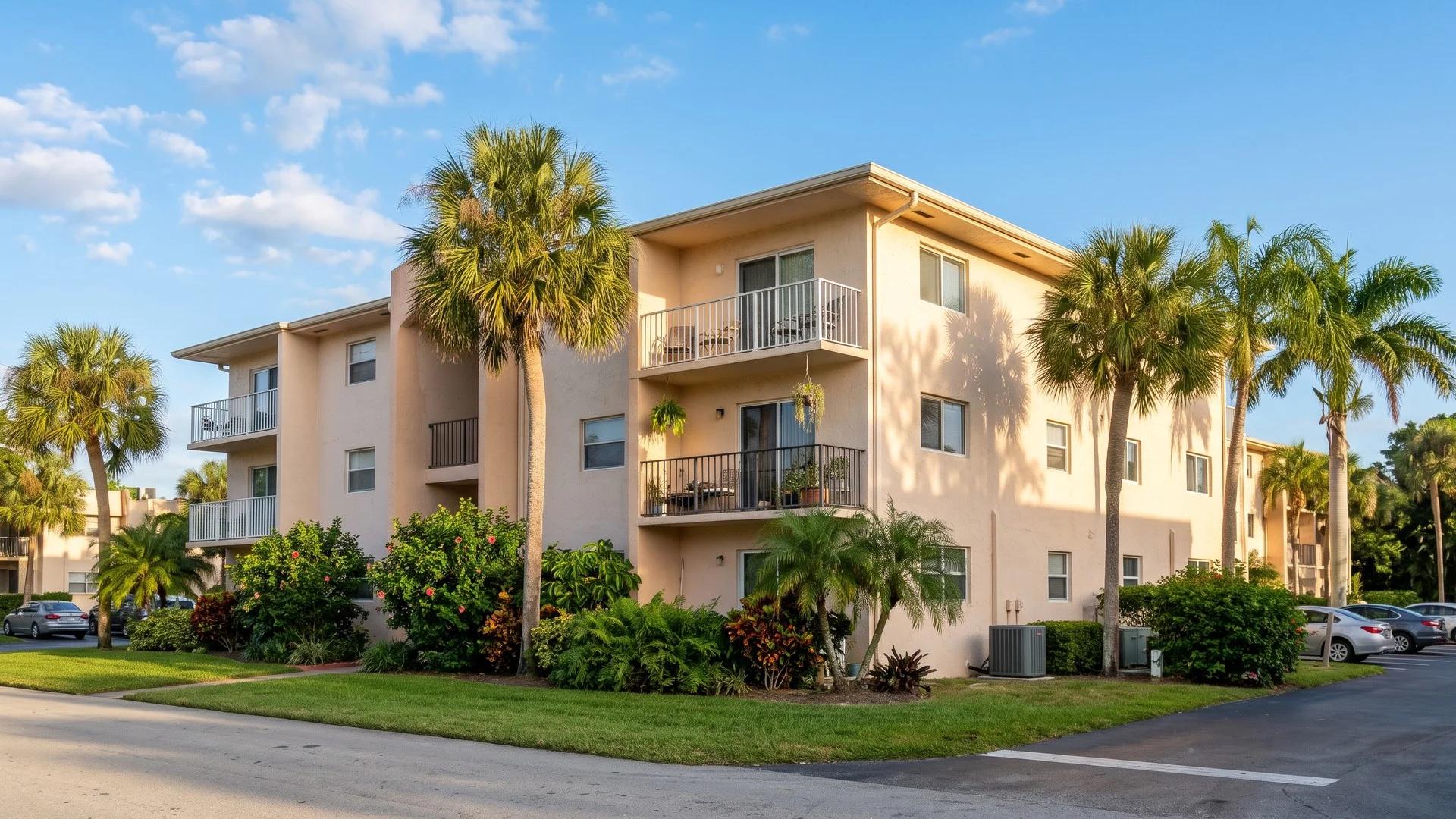
MELBOURNE, Fla., Nov. 15, 2026: Residents of the Windover Palms apartment complex in Melbourne have been told to move out so the buildings can be repaired after the November 2 flood in southern Brevard County. On Friday, November 13, the American Red Cross of North and Central Florida and the City of Melbourne opened a temporary emergency shelter for residents whose homes remain uninhabitable.
In Florida, when a casualty such as a flood makes a rental unusable through no fault of the tenant, the tenant may end the lease and leave at once, or give up only the damaged part and pay less rent (Fla. Stat. s.83.63). The security deposit then follows the state's 15-day and 30-day return rules.
What happened in Melbourne?
Heavy rain from October 31 through November 2 caused flash flooding in several Florida counties, including Brevard, according to the Governor's Executive Order 26-227, which declared a state of emergency on November 2. Local news reports say management gave residents about 48 hours to leave, said repairs would take at least six months, and said it would refund November rent and return security deposits. Reports put the number of households at about 90.
The City of Melbourne said the shelter is at the Joseph N. Davis Community Center, 2547 Bruce D. Buggs Street. Governor DeSantis has submitted a request to FEMA for a major disaster declaration, according to Brevard County; as of November 15 it had not been approved.
What it means for tenants
A Florida tenant whose home is substantially damaged by a casualty they did not cause has a choice under s.83.63:
- End the lease and leave right away. The landlord must then handle the deposit under s.83.49(3).
- Stay in the usable part. The rent drops by the fair rental value of the part given up.
- Get belongings back. The landlord must let the tenant remove belongings once it is safe, or give notice of a date, within a reasonable time, to collect them.
Under s.83.49(3), a landlord who makes no claim must return the deposit within 15 days after the lease ends. A landlord who wants to keep part of it must send written notice of the claim within 30 days, and the tenant has 15 days to object in writing. A landlord who misses the 30-day notice loses the right to claim against the deposit. Our Florida security deposit guide covers the notice wording.
What it means for landlords
The choice to end the lease under s.83.63 belongs to the tenant; Chapter 83 does not give the landlord the same right, though many leases have their own casualty clause. If a tenant has not surrendered or abandoned the unit, a Florida landlord may recover possession only through a court action for possession (s.83.59(3)); see the eviction process in Florida.
A landlord may not cut off utilities, change the locks or block access to force a tenant out (s.83.67). The penalty is actual and consequential damages or three months' rent, whichever is greater, plus costs and attorney's fees. Repairs fall under s.83.51; see Florida landlord repair duties.
What to do now
- Tenants: photograph the damage and your belongings, keep receipts, put your choice in writing, and give a forwarding address for the deposit.
- Help: call 211 for housing referrals, and check DisasterAssistance.gov in case federal aid is approved later.
- Landlords: agree any early end of a lease in writing, set a safe date to collect belongings, and diary the 15-day and 30-day deposit deadlines.
- Both: read the lease's casualty clause alongside Chapter 83, Part II. More guides are in the Tenon10 guide hub.
Know the rules before the next storm
Plain-language guides to Florida rental law, with the statute behind every rule.
Free • No signup required