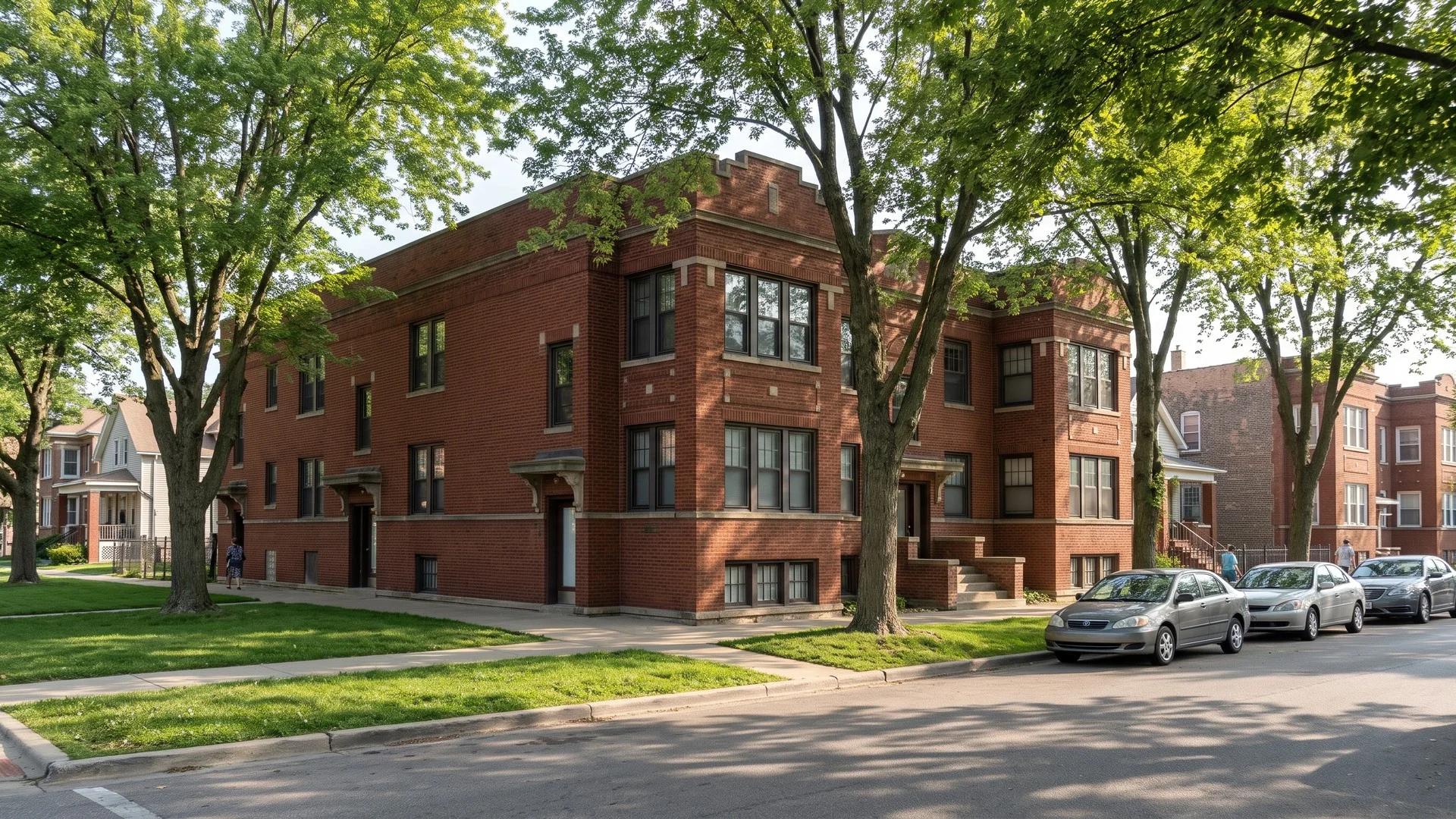
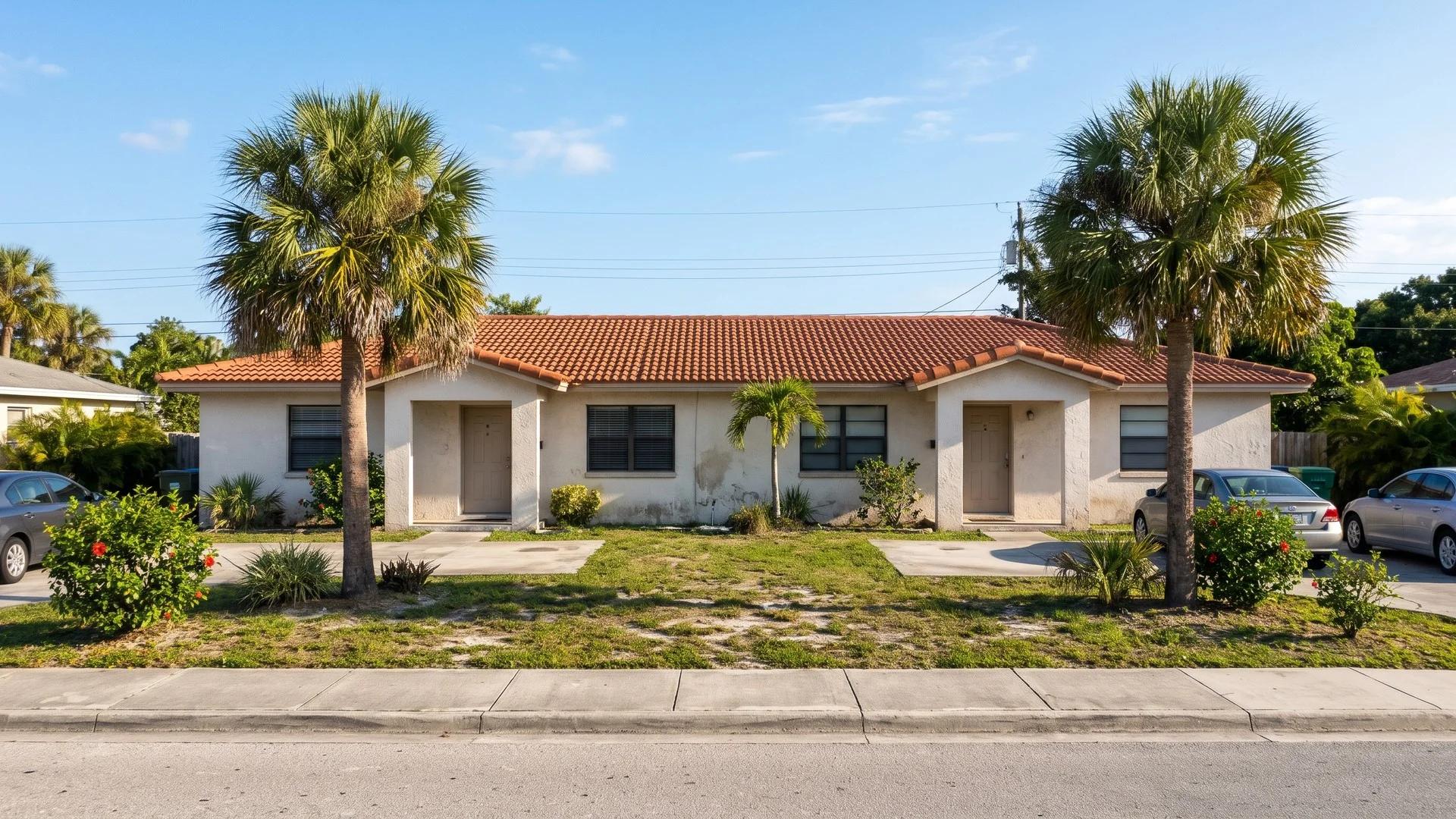
WASHINGTON, Nov. 6, 2026: The Federal Trade Commission and the states of Arizona, Colorado, Indiana and Utah announced that Progress Residential and its owner, Pretium Partners, agreed to pay $49.75 million to settle charges over how the company advertised rent, charged fees and handled security deposits. The proposed order was filed in the US District Court for the Northern District of Georgia and takes effect once the judge signs it.
In the US, the settlement does not create a new rule for every landlord, but it shows what the FTC treats as deceptive in single-family rentals: an advertised rent that leaves out mandatory monthly fees, deposit deductions for normal wear and tear, and lease clauses that stop renters from posting negative reviews.
What did the FTC and the states allege against Progress Residential?

The FTC's complaint alleges that, since at least 2021, Progress advertised a monthly rent in the US that did not include mandatory monthly fees, such as "smart home" and "utility management" fees, and charged a $14.95 monthly "renter's insurance exemption fee" that, according to the complaint, residents typically discovered only after moving in, when it appeared on their account ledger. According to the FTC press release, the complaint also alleges that:
- homes advertised as inspected and "move-in ready" often had serious maintenance, repair or cleaning problems at move-in;
- the company kept deposit money for normal wear and tear, for conditions that existed before the tenant moved in, and for renovations and repairs that were its own responsibility, and did not always send an itemized statement within 30 days of move-out;
- slow or missing customer service led to billing errors, improper late fees, unfinished repairs and unresolved deposit disputes;
- form leases contained nondisparagement clauses that barred residents from saying negative things about the company.
The complaint alleges that most of this conduct happened under prior management, and the FTC says new management has moved to fix it. A settlement is not a finding by a court.
What does the proposed order require?
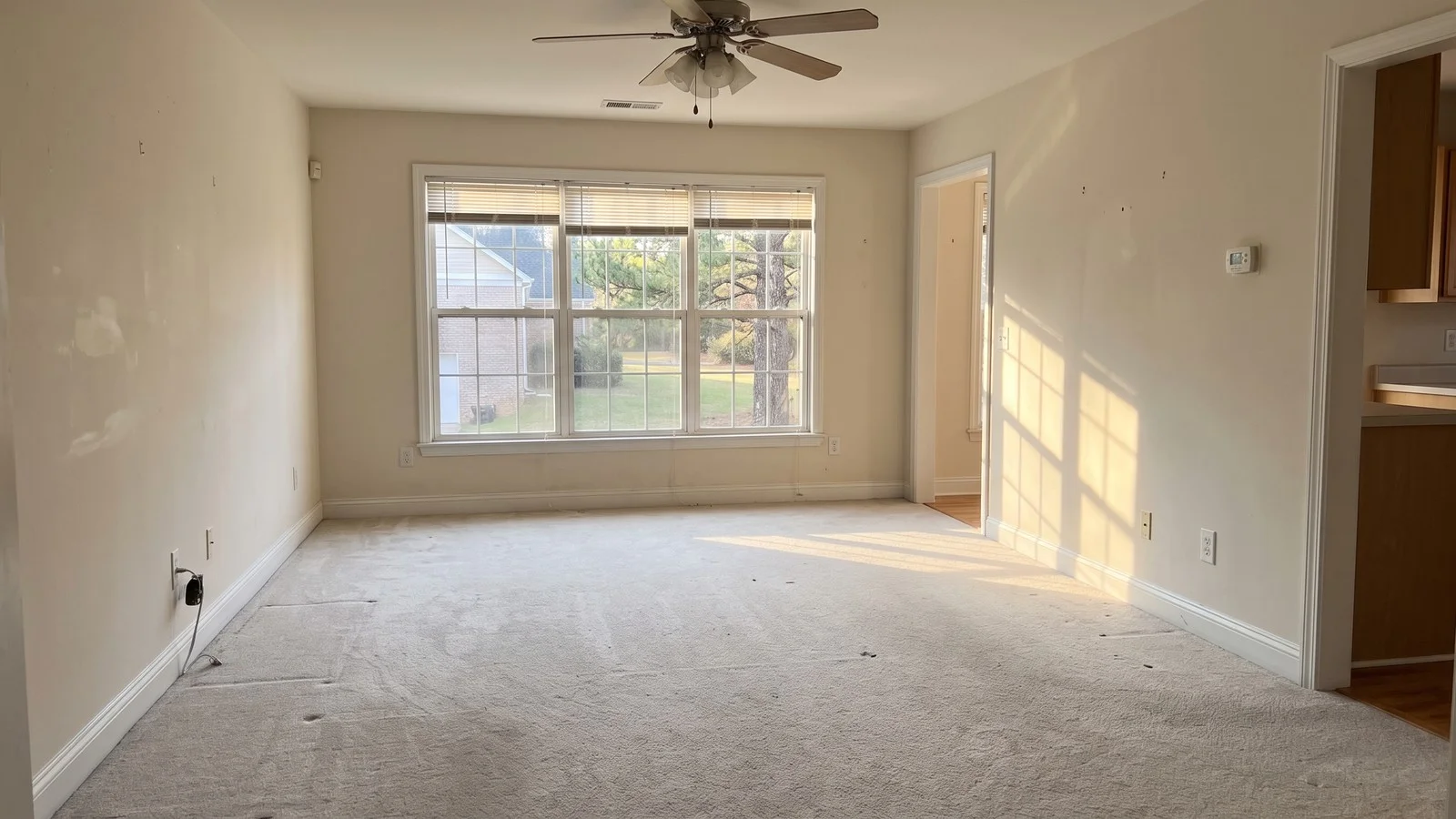
The proposed order requires Progress to advertise the "true total monthly rental price," including every mandatory recurring fee, more prominently than any other price, and to stop claiming homes were inspected or passed inspection when that is not true. It must also set uniform standards for deposit deductions, train staff, keep records of each home's condition, send an itemized statement of deductions within 30 days of move-out (or a shorter period if state law requires one), stop charging deposits for normal wear and tear, pre-existing conditions or certain renovation and capital costs, and stop using standard nondisparagement clauses. Of the $49.75 million, $48.5 million goes to the FTC for consumer redress and $1.25 million to Arizona for its attorneys' fees and costs. The Commission voted 2-0 to file the complaint and proposed order.
What it means for landlords
For US landlords of any size, the case is a clear statement of how federal and state consumer protection enforcers read rental advertising. If a renter must pay a fee every month to live in the home, the FTC treats it as part of the price. The deposit allegations track the rules most states already write into their landlord-tenant statutes; Florida, for example, sets its own notice and return deadlines (see our guide to Florida security deposit rules). Lease clauses that try to silence reviews also draw attention from regulators.
What to do now
- Check your listings. Add up the rent and every mandatory monthly fee, and make that total the most visible number in the ad.
- Disclose every fee before the lease is signed. A fee a tenant first sees after moving in is the pattern the FTC alleged.
- Document condition at move-in and move-out. Dated photos and a signed checklist let you separate damage from normal wear and tear.
- Meet your state's deposit deadline. Send an itemized statement within the time your state law sets.
- Remove review-gagging clauses from your lease template.
Landlords who own US homes from abroad, including Canadians with US rentals, can find more US guides on our blog hub, including Schedule E for landlords.
Keep your rental ads and deposits on the right side of the rules
Browse our free landlord guides on fees, deposits, fair housing and taxes.
Free • No signup required