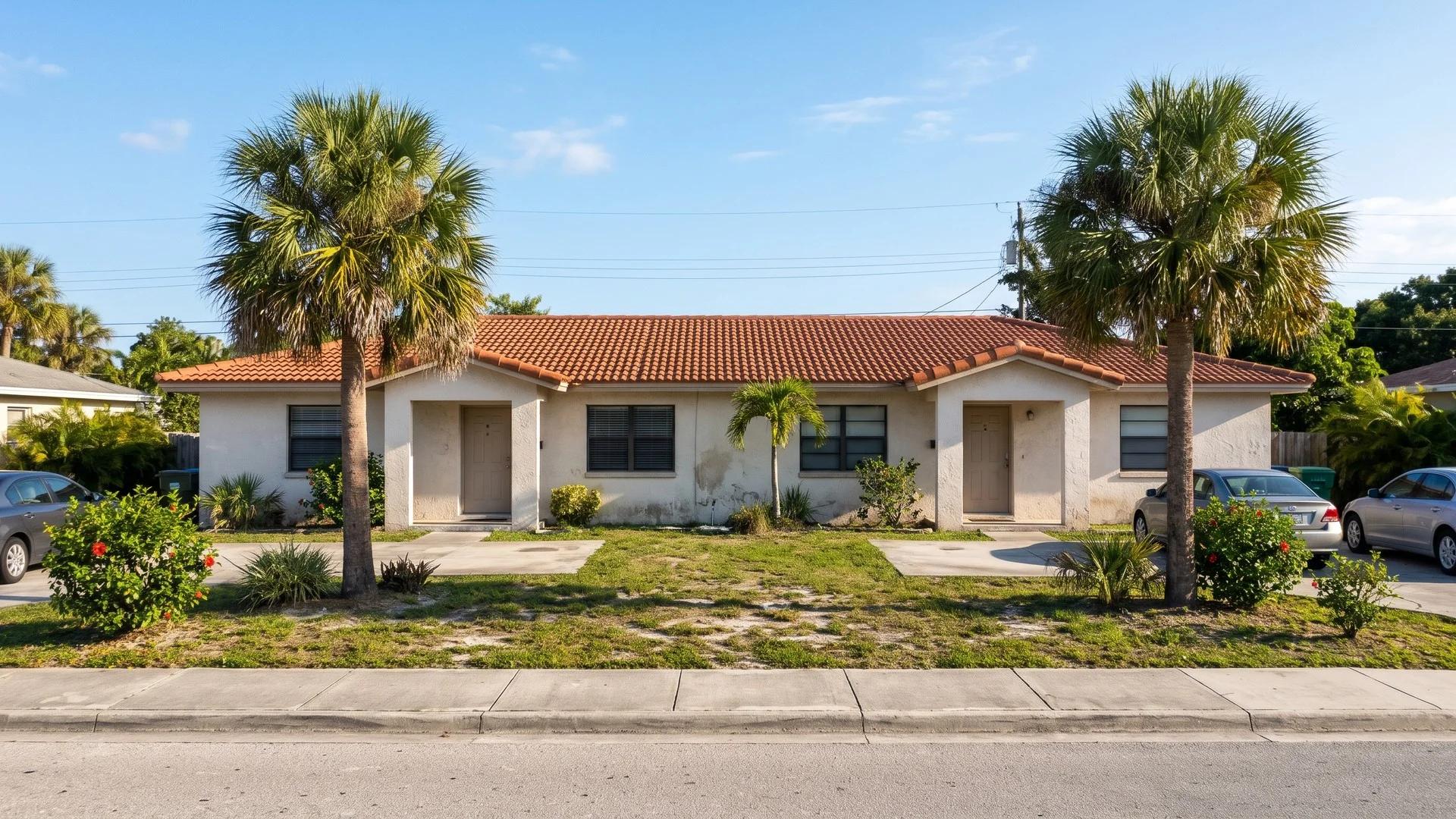
WASHINGTON, Nov. 7, 2026: The RealPage settlement fund for US renters, $359,925,000 paid by 41 property owners and managers, has received final approval from the US District Court for the Middle District of Tennessee, and renters have until January 29, 2027 to file claims. Separately, the Justice Department's antitrust case against RealPage in the Middle District of North Carolina has produced proposed and final judgments that limit how revenue management software may use competitors' data.
For landlords in the US, the two cases set out where antitrust enforcers draw the line on rent-pricing software: pricing built on rivals' nonpublic, current lease data is the problem, not software as such.
What was alleged in the RealPage cases?

In the class action, In re RealPage, Inc., Rental Software Antitrust Litigation (No. II), No. 3:23-md-03071, renters alleged that defendants violated federal and state antitrust laws by conspiring to fix and inflate the price of multifamily rental housing across the US. The settling defendants deny wrongdoing, and the court has not decided who is right.
In the government case, filed August 23, 2024 by the United States and eight states (North Carolina, California, Colorado, Connecticut, Minnesota, Oregon, Tennessee and Washington), the Justice Department alleged that RealPage's software relied on nonpublic, competitively sensitive information landlords shared, included features meant to limit rent decreases and align pricing among competitors, and that RealPage hosted meetings where competing managers shared such information.
What was settled?
The settlement website says the court entered final approval of the $359,925,000 fund, and that the settling defendants also agreed to change their business practices in the multifamily rental market. No payments are being made yet; money will be distributed later. Filing a claim is the only way to be paid, and renters do not need to pay anyone to file.
In the DOJ case, RealPage's proposed final judgment (November 24, 2025) requires it to stop using competitors' nonpublic, competitively sensitive data when setting rents in real time, to train its models only on nonpublic data at least 12 months old, not to model geographic effects at a level narrower than a state, to remove or redesign features that limited price decreases or aligned pricing, to stop market surveys collecting such data, and to accept a court-appointed monitor. The DOJ's case page also lists a final judgment for Greystar (March 2, 2026) and proposed final judgments for Cortland, LivCor, Willow Bridge and Pinnacle.
What it means for landlords
The government judgments describe what US enforcers treat as risky: feeding current, nonpublic lease data into a shared tool that competitors also use, features that hold rents up or line them up across rivals, and sharing pricing strategy at user meetings. Setting rent from your own data and public market information is a different thing. Every rent decision still has to follow your state's rules, such as notice periods for increases (see our guide to Florida rent increase rules) and federal fair housing law (Fair Housing Act rules for landlords).
What to do now
- Ask your software vendor what data its pricing model uses, how old any nonpublic data is, and whether any feature limits price decreases.
- Keep the final decision yours. Record why you set each rent.
- Do not share current rents, occupancy or pricing plans with competing landlords, at meetings or through surveys.
- If a renter asks about the class settlement, point them to the official settlement website and its January 29, 2027 claim deadline.
More US landlord guides are on our blog hub.
Price your rentals on solid ground
Read our free guides on rent increases, fair housing and landlord compliance.
Free • No signup required