North Carolina landlord repair obligations come from the Residential Rental Agreements Act (G.S. 42-38 to 42-44). The landlord must meet building and housing codes, keep the premises fit and habitable, keep common areas safe, repair supplied facilities on written notice, provide smoke and carbon monoxide alarms, and fix any imminently dangerous condition within a reasonable time.
The Act applies to rental agreements for dwelling units in North Carolina, other than vacation rentals under Chapter 42A and dwellings provided free of charge (G.S. 42-39). "Landlord" includes the owner and any rental management company, agency or other person acting with authority as the owner's agent (G.S. 42-40). This guide covers what the landlord must do, the list of imminently dangerous conditions, the alarm rules, the tenant's duties and what happens when either side falls short.
North Carolina Repairs: Landlord Checklist
A one-page checklist of a North Carolina landlord's repair duties: codes and habitability, written repair requests, the imminently dangerous conditions list, smoke and CO alarms, and the limits on what a landlord can do.
Get Free PDF →What repairs must a North Carolina landlord make?
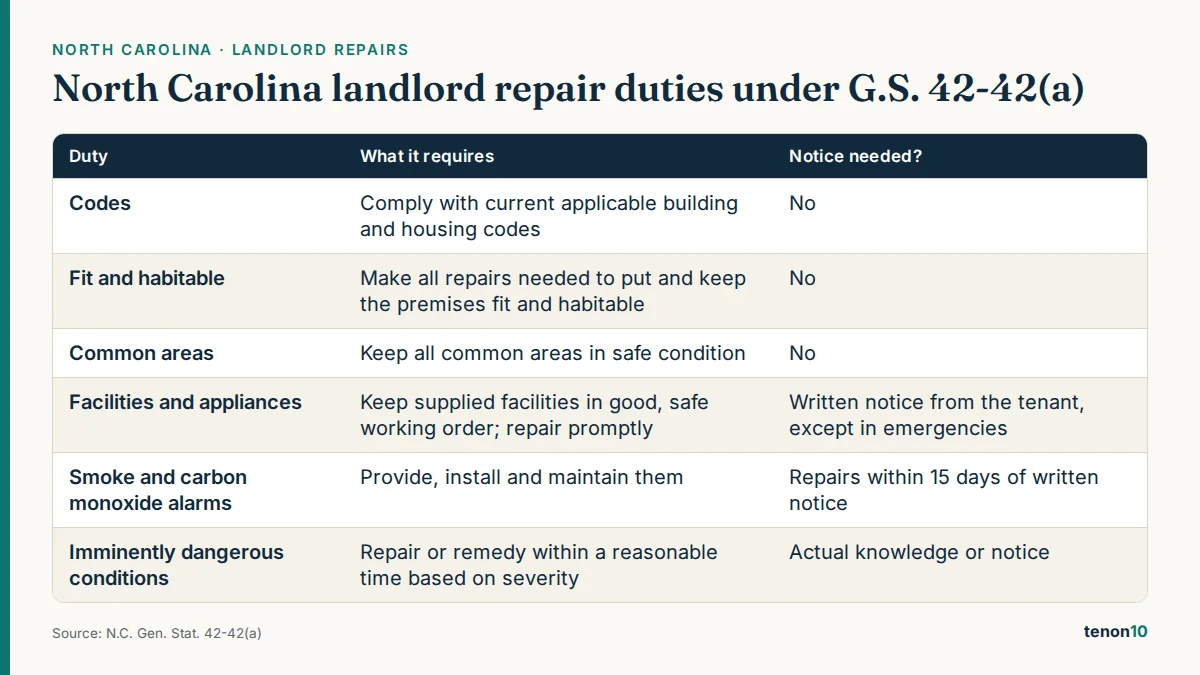
North Carolina lists the landlord's core duties in G.S. 42-42(a):
| Duty | What it requires | Notice needed? |
|---|---|---|
| Codes | Comply with current applicable building and housing codes, to the extent the codes require | No |
| Elevators | Comply with the elevator safety requirements in G.S. 143-143.7 | No |
| Fit and habitable | Make all repairs and do whatever is necessary to put and keep the premises fit and habitable | No |
| Common areas | Keep all common areas in safe condition | No |
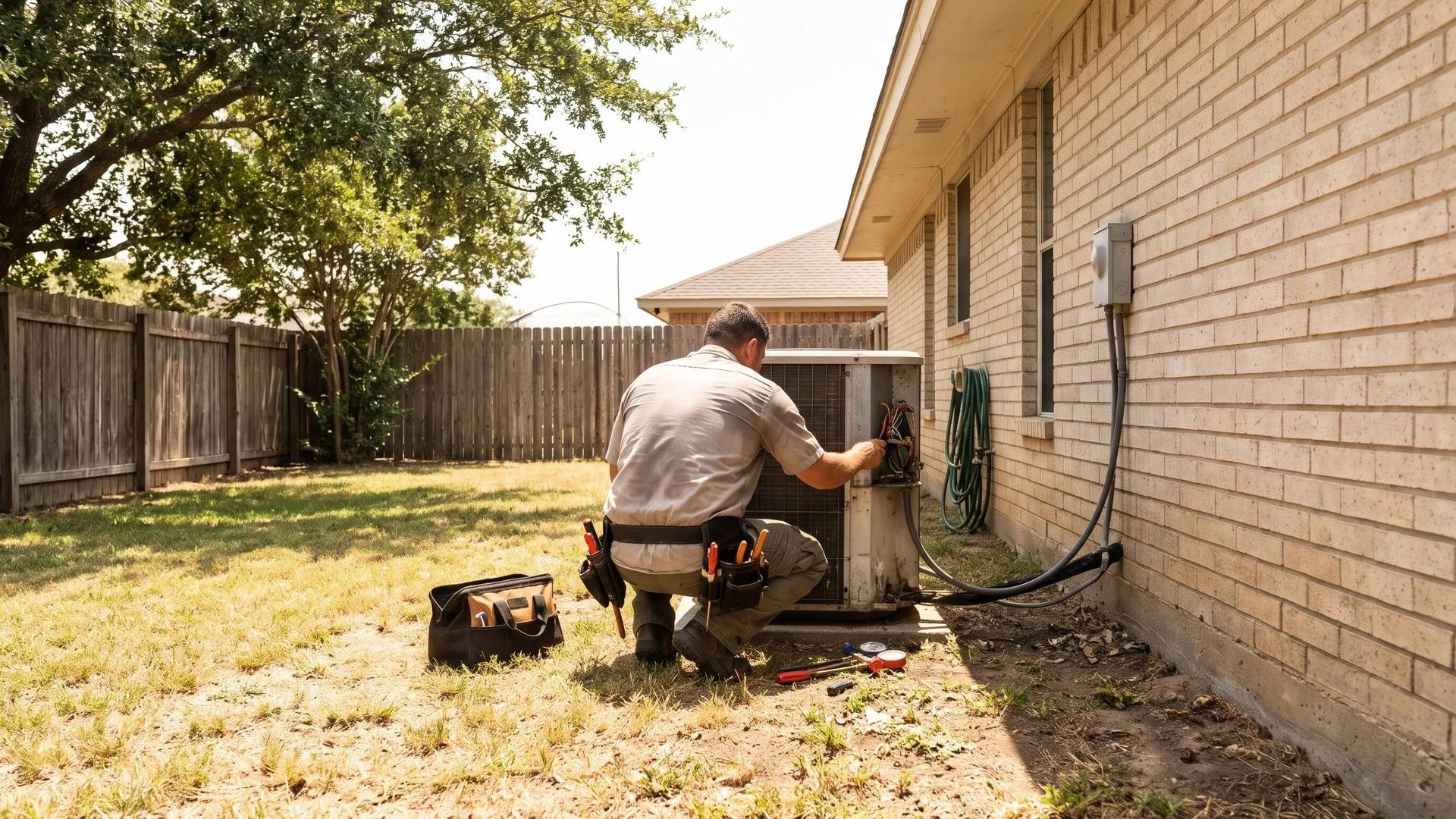
| Facilities and appliances | Keep electrical, plumbing, sanitary, heating, ventilating, air conditioning and other supplied facilities and appliances in good and safe working order and promptly repair them | Written notice from the tenant, except in emergencies |
| Smoke and carbon monoxide alarms | Provide, install and maintain them (details below) | Repairs within 15 days of written notice |
| Imminently dangerous conditions | Repair or remedy within a reasonable time based on severity | Actual knowledge or notice |
Where the landlord bills tenants for water or sewer service and has actual knowledge that the water exceeds a maximum contaminant level, the landlord must also notify tenants (G.S. 42-42(a)(6)).
What counts as an imminently dangerous condition in North Carolina?
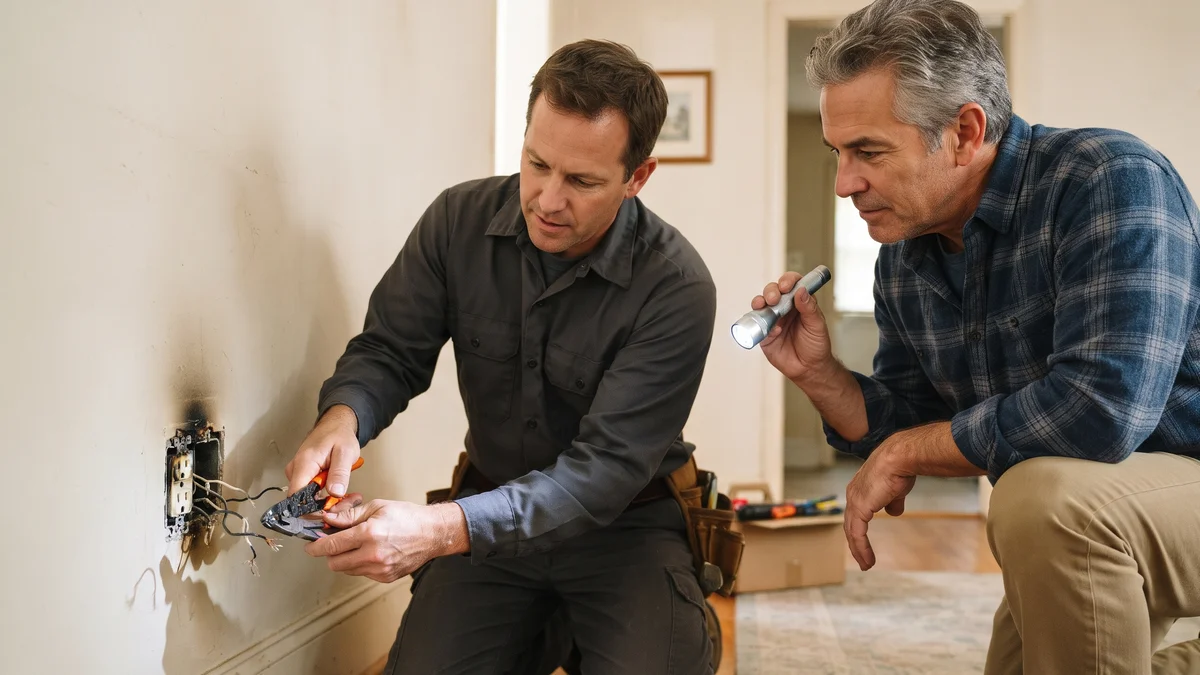
North Carolina requires the landlord to repair or remedy an imminently dangerous condition within a reasonable period based on its severity, after gaining actual knowledge or receiving notice of it (G.S. 42-42(a)(8)). The statute's list is closed:
- Unsafe wiring.
- Unsafe flooring or steps.
- Unsafe ceilings or roofs.
- Unsafe chimneys or flues.
- Lack of potable water.
- Lack of operable locks on all doors leading outside.
- Broken windows, or lack of operable locks on all ground-level windows.
- Lack of operable heating able to heat living areas to 65°F when it is 20°F outside, from November 1 through March 31.
- Lack of an operable toilet.
- Lack of an operable bathtub or shower.
- Rat infestation caused by structural defects that leave the premises open to rodents.
- Excessive standing water, sewage or flooding from plumbing leaks or poor drainage that contributes to mosquito infestation or mold.
The landlord must make the repair even where the tenant caused the condition, but may recover from the tenant the actual and reasonable cost of repairs that are the tenant's fault.
What are the smoke and carbon monoxide alarm rules in North Carolina?
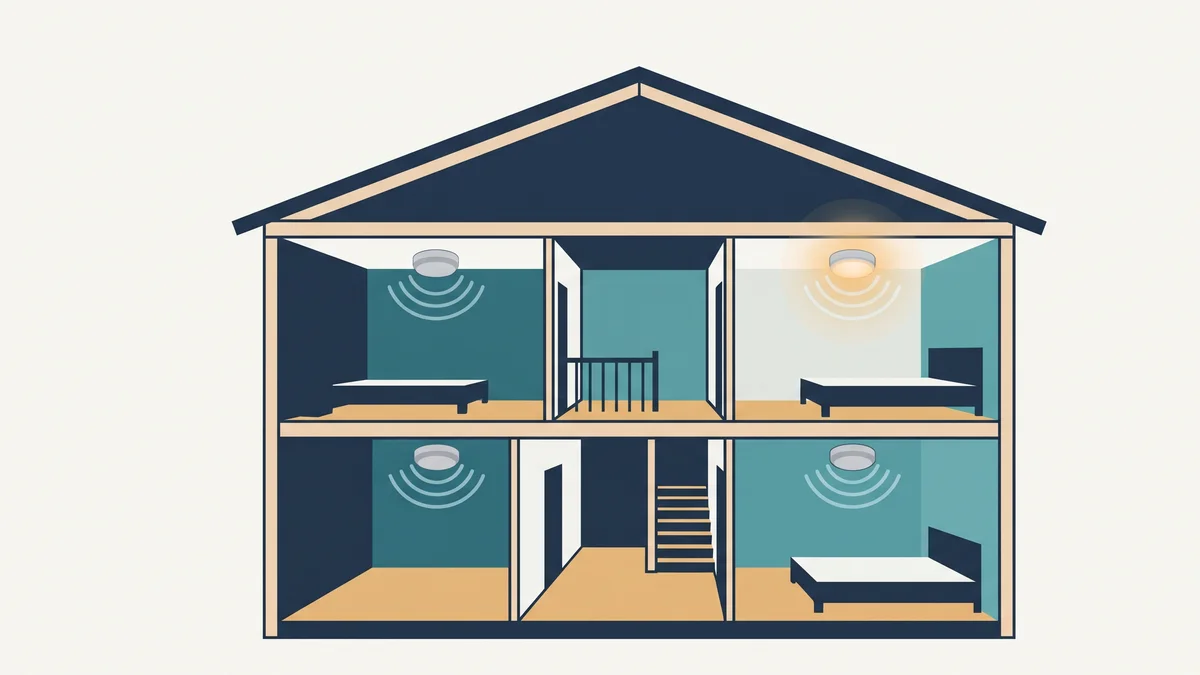
North Carolina sets detailed alarm duties in G.S. 42-42(a)(5), (5a) and (7):
- Smoke alarms. Provide operable, listed smoke alarms installed to National Fire Protection Association standards or the manufacturer's instructions, and keep the instructions as proof. Make sure they work at the start of each tenancy.
- 10-year lithium alarms. When installing a new smoke alarm or replacing one, use a tamper-resistant, 10-year lithium battery alarm, unless the unit has a hardwired alarm with battery backup or a combined smoke and carbon monoxide alarm that meets the statute.
- Carbon monoxide alarms. In units with a fossil-fuel burning heater, appliance or fireplace, or an attached garage, provide at least one operable carbon monoxide alarm per rental unit per level.
- Batteries. Unless a written agreement says otherwise, the landlord puts new batteries in battery-operated alarms at the start of the tenancy and the tenant replaces them during it.
- Repairs. Replace or repair an alarm within 15 days of written notice from the tenant.
If the landlord fails to provide, install, replace or repair an alarm within 30 days of written notice from the tenant or a state or local government agent, it is an infraction with a fine of up to $250 per violation (G.S. 42-44(a1)). If a tenant disables or damages an alarm, other than through the landlord or an act of God, the tenant must reimburse the reasonable cost within 30 days of written notice, or face an infraction with a fine of up to $100 (G.S. 42-44(a2)).
What are a North Carolina tenant's maintenance duties?
North Carolina puts matching duties on the tenant in G.S. 42-43. The tenant must keep their part of the premises as clean and safe as conditions permit, dispose of waste cleanly and safely, keep plumbing fixtures clean, not deliberately or negligently damage the premises or disable an alarm, comply with code duties that fall on tenants, and notify the landlord in writing when an alarm needs repair or replacement. The tenant is responsible for damage inside the unit under their exclusive control, except for ordinary wear and tear, the landlord's own acts, defective products or repairs the landlord supplied, acts of outsiders who are not the tenant's invitees, and natural forces.
Except in emergencies, the landlord must notify the tenant in writing of any breach of these duties (G.S. 42-43(b)).
Can a North Carolina tenant withhold rent for repairs?
Not on their own. In North Carolina the tenant's duty to pay rent and the landlord's duty to provide fit premises under G.S. 42-42(a) are mutually dependent (G.S. 42-41), but the tenant may not unilaterally withhold rent before a court decides they have the right to do so (G.S. 42-44(c)). Rights under the chapter are enforceable by civil action (G.S. 42-44(a)), and a violation of the Act is not negligence per se (G.S. 42-44(d)).
Three further rules limit what a landlord can do:
- No waiver. A tenant's acceptance of premises that do not comply, before, at or after signing, does not release the landlord, unless a government body blocks the repair for up to six months. A separate written contract for the tenant to do specified work is allowed only if supported by consideration other than the tenancy itself and not made to evade the Act (G.S. 42-42(b)).
- No utility shutoff. A landlord who bills for water, sewer, electricity or gas may not disconnect the service because the tenant has not paid that bill (G.S. 42-42.1(b)).
- No retaliation. A good-faith repair request or code complaint within the last 12 months can support a retaliatory eviction defense (G.S. 42-37.1). See our North Carolina summary ejectment guide.
Repairs can also affect the deposit. A tenant who was constructively evicted by the landlord's breach of G.S. 42-42(a) cannot be charged for failing to complete the lease out of the security deposit; see our North Carolina security deposit guide.
What must a North Carolina landlord do when a tenant reports domestic violence?
North Carolina requires a landlord to change the locks, or allow the protected tenant to change them, within 48 hours of a request where the perpetrator does not live in the unit (G.S. 42-42.3). Where the perpetrator lives in the same unit, the tenant must first give the landlord a court order requiring the perpetrator to stay away, and the deadline is 72 hours. The protected tenant pays for the lock change, and must give the landlord a key within 48 hours if they change the locks themselves. A landlord may not end, refuse or fail to renew a tenancy based substantially on a person's status as a victim of domestic violence, sexual assault or stalking (G.S. 42-42.2).
Frequently asked questions
Must a North Carolina landlord provide air conditioning?
The Act does not require air conditioning to be supplied. If the landlord supplies it, it is a facility the landlord must keep in good and safe working order and promptly repair after written notice (G.S. 42-42(a)(4)).
How fast must I fix a broken heater in January?
Lack of heating able to keep living areas at 65°F when it is 20°F outside, between November 1 and March 31, is an imminently dangerous condition. It must be fixed within a reasonable time based on its severity.
Can the lease make the tenant responsible for all repairs?
No. The tenant's acceptance of noncompliant premises does not release the landlord (G.S. 42-42(b)). A separate written contract for specific work is allowed only on the conditions in that subsection.
Who replaces smoke alarm batteries?
Unless a written agreement says otherwise, the landlord installs fresh batteries at the start of the tenancy and the tenant replaces them during it, except for 10-year lithium alarms.
How do other states compare?
See our guides to Georgia repair duties, Texas repair obligations and Arizona repair obligations. For the tax treatment of repair costs, see repairs versus improvements.
North Carolina Repairs: Landlord Checklist
A one-page checklist of a North Carolina landlord's repair duties: codes and habitability, written repair requests, the imminently dangerous conditions list, smoke and CO alarms, and the limits on what a landlord can do.
Get Free PDF →More guides for North Carolina landlords
Read the rest of our North Carolina and US landlord guides in one place.
Free • No signup required