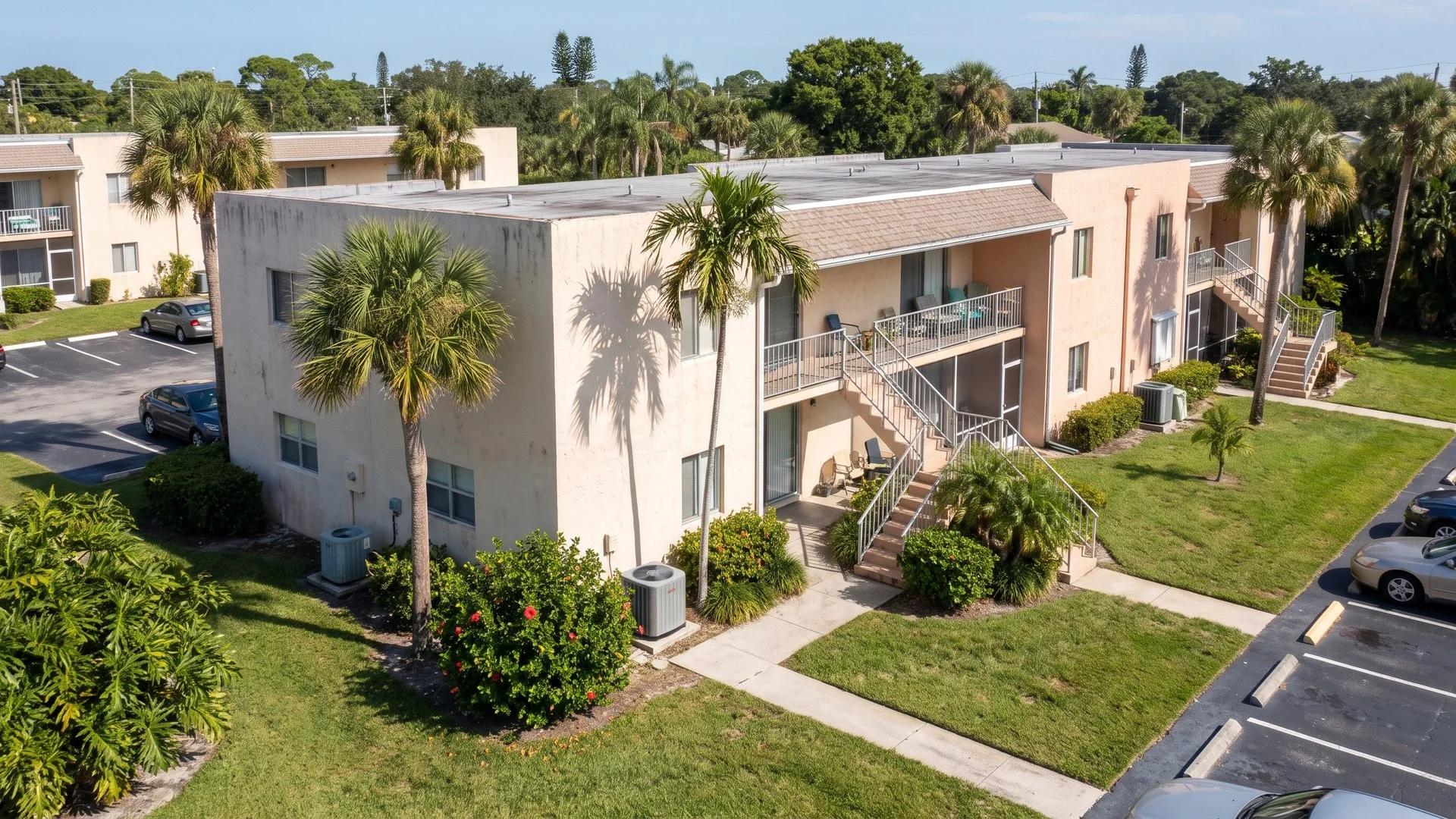
In Washington, state law requires cities and counties to allow at least two accessory dwelling units (ADUs) on every lot that allows a single-family home inside an urban growth area. Owners do not have to live on the property, ADUs can be at least 1,000 square feet, and cities face limits on parking, impact fees and design rules under RCW 36.70A.681.
What counts as an accessory dwelling unit in Washington?
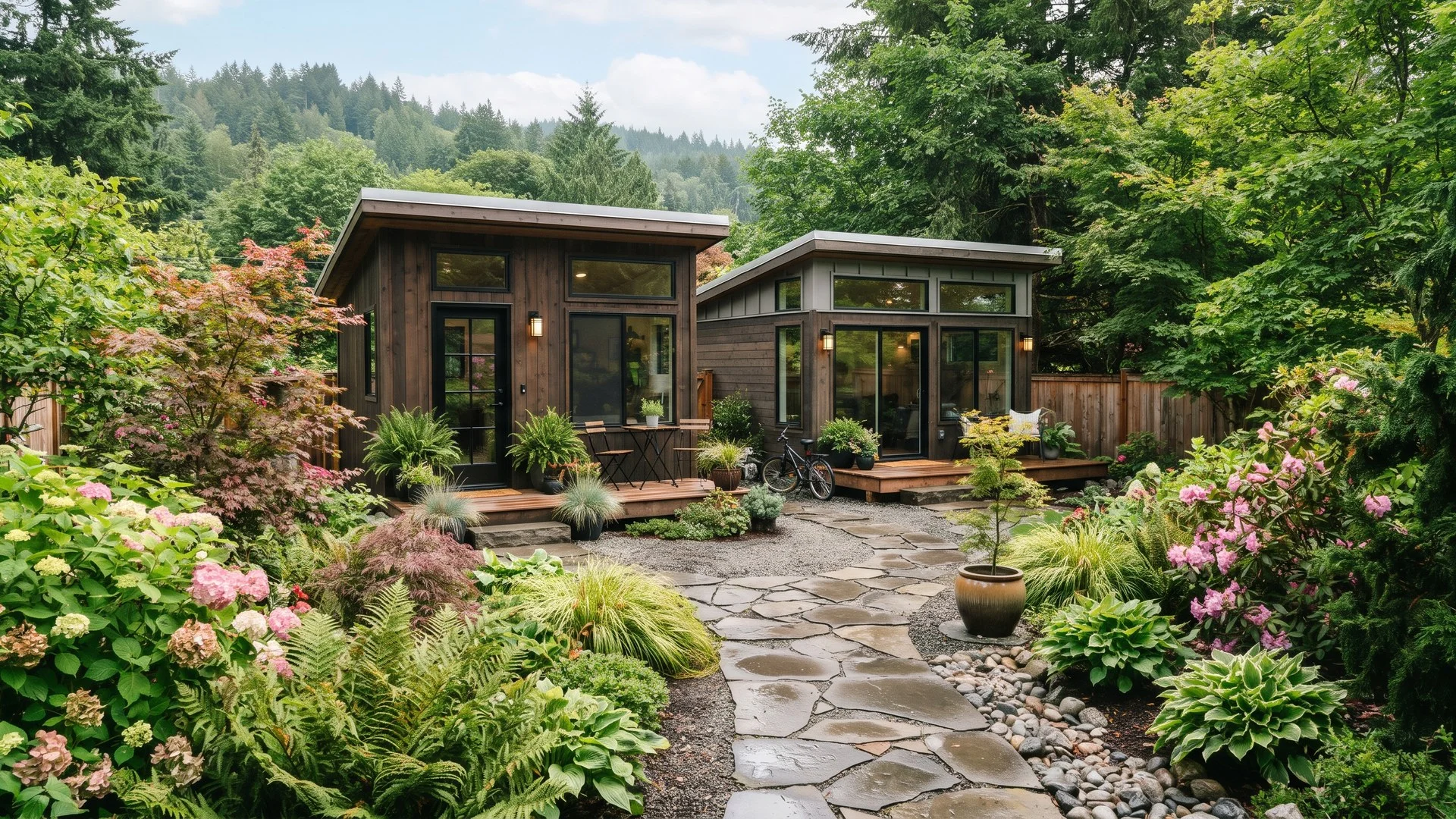
Washington defines an accessory dwelling unit as a dwelling unit on the same lot as a single-family home, duplex, triplex, townhome or other housing unit (RCW 36.70A.696). A dwelling unit must have complete independent living facilities: permanent provisions for living, sleeping, eating, cooking and sanitation.
| Type | What it is |
|---|---|
| Attached ADU | Inside or attached to the main home, such as a basement suite or an addition |
| Detached ADU | Partly or entirely in a separate building on the same property, such as a backyard cottage or converted garage |
| Principal unit | The main home, duplex, triplex or townhome on the lot |
Gross floor area, used for size limits, is the interior habitable area including basements and attics, but not a garage or accessory structure.
Where does the Washington ADU law apply?
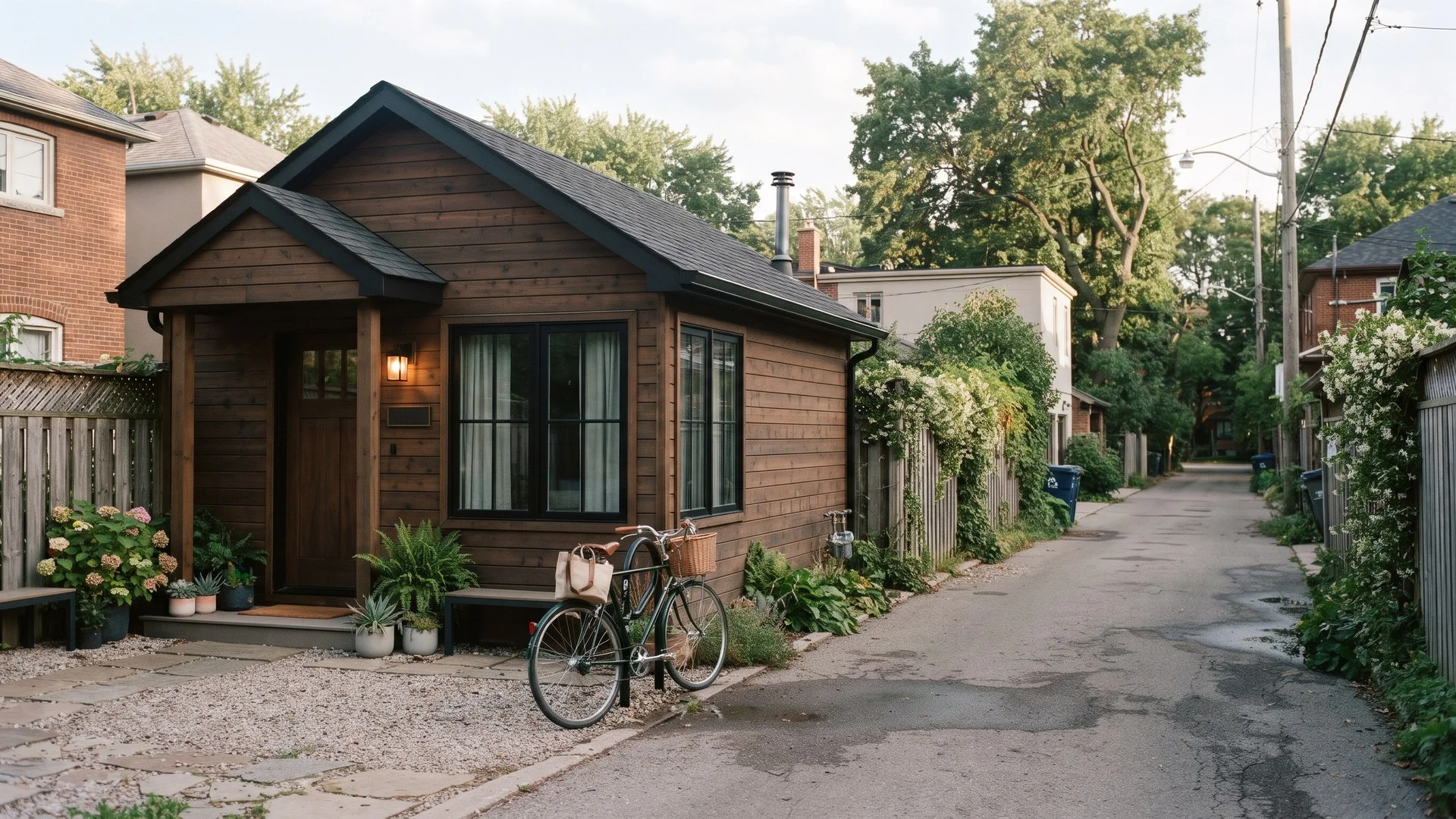
The state rules apply in the parts of cities, towns and counties that are inside urban growth areas and that plan under the Growth Management Act (RCW 36.70A.680). Each city or county had to adopt them by its next periodic comprehensive plan update. Where a city has not, the state requirements override any conflicting local rules.
The limits do not apply to lots designated as critical areas or their buffers, or to watersheds serving a drinking-water reservoir listed as impaired or threatened under the federal Clean Water Act as of July 23, 2023.
How many ADUs can you build on a lot in Washington?
At least two. On every lot in a zone that allows single-family homes inside an urban growth area, cities and counties must allow two ADUs in any of these combinations (RCW 36.70A.681):
- one attached and one detached;
- two attached; or
- two detached, in one or two separate structures.
An ADU must be allowed on any lot that meets the minimum lot size for the main home. On a residential lot of 2,000 square feet or less, a city may cap the total at two ADUs plus the main home.
What can a Washington city not require for an ADU?
RCW 36.70A.681 sets a floor that local rules cannot go below. A city or county:
| Rule | State limit |
|---|---|
| Owner occupancy | Cannot require the owner to live in the ADU or the main home |
| Floor area | Cannot set a maximum below 1,000 square feet |
| Roof height | Cannot set a limit below 24 feet, unless the main home's limit is lower |
| Impact fees | Cannot exceed 50% of the fees for the main home |
| Design, setbacks, lot coverage, door location, tree retention | Cannot be stricter than for the main home |
| Street improvements | Cannot be required as a condition of the permit |
| Alley lots | A detached ADU may sit at a lot line that abuts a public alley, unless the city routinely plows snow there |
| Conversions | Existing structures such as detached garages can be converted even if they break current setback or lot coverage rules |
| Selling separately | Cannot ban selling an ADU as a condominium unit just because it was built as an ADU |
How much parking does a Washington ADU need?
None within half a mile walking distance of a major transit stop. Elsewhere, a city cannot require more than one off-street space per unit on lots under 6,000 square feet, or more than two per unit on larger lots. Those parking limits do not apply where the state certifies a local safety study, or within one mile of a commercial airport with at least 9 million annual enplanements.
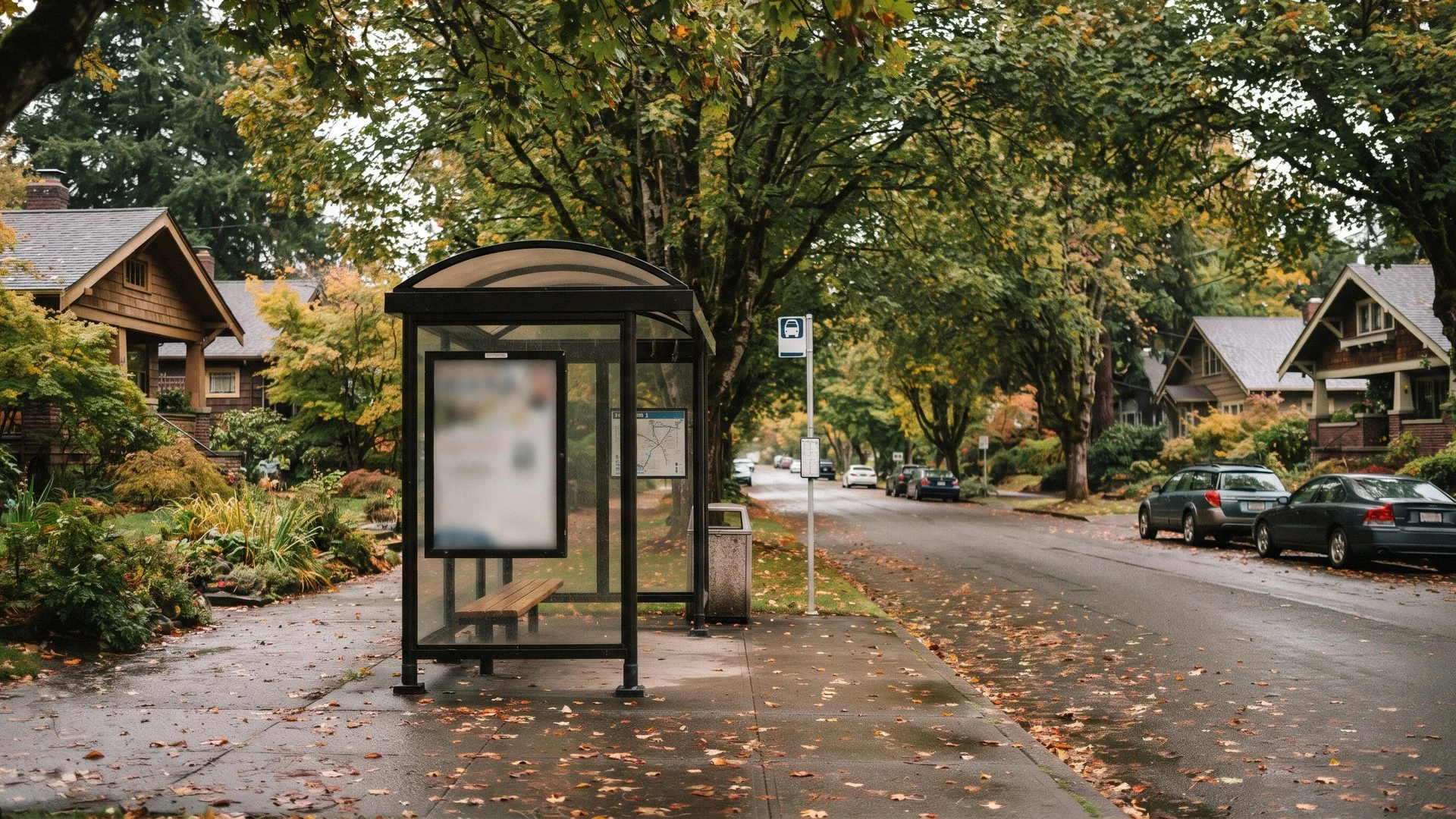
A major transit stop includes commuter rail stops, light rail and bus rapid transit stops, and bus stops with service at least every 15 minutes for at least five peak hours on weekdays (RCW 36.70A.696).
Can you rent out an ADU in Washington?
Yes, as a long-term rental. Because a city cannot require the owner to live on the lot, both the main home and the ADUs can be rented. Cities can still restrict ADUs from being used as short-term rentals (RCW 36.70A.680(5)), and the state defines a short-term rental as fewer than 30 consecutive nights.
A long-term ADU tenancy is a normal residential tenancy under Washington's Residential Landlord-Tenant Act, so deposits, notices, entry and repairs follow the same rules as any other rental unit.
What can a Washington city still restrict?
The state law does not stop a city or county from:
- restricting ADUs as short-term rentals;
- applying the same health, safety, building code and environmental rules that apply to the main home;
- applying generally applicable development rules, unless they conflict with the ADU law;
- prohibiting ADUs on lots not connected to public sewer; or
- prohibiting or restricting ADUs in zones of one home per acre or less that are in wetlands, fish and wildlife habitat, flood plains or geologically hazardous areas.
Nor does it force a city to allow an ADU where other laws restrict building near septic systems, critical areas or unsuitable ground.
Frequently asked questions
Do I have to live on the property to build an ADU in Washington?
No. Inside urban growth areas, cities and counties cannot require the owner to live in the ADU or the main home.
How big can an ADU be in Washington?
Cities cannot cap ADU floor area below 1,000 square feet. Many allow more, so check your local code.
Can I build two ADUs in Washington?
Yes. Lots that allow single-family homes inside urban growth areas must allow at least two ADUs, attached, detached or one of each.
Can I use my ADU as an Airbnb in Washington?
It depends on your city. State law lets cities restrict ADUs as short-term rentals of fewer than 30 nights, so check local rules first.
Does the Washington ADU law apply in rural areas?
No. The state requirements apply only inside urban growth areas. Rural lots follow county rules.
Washington's ADU law gives owners in urban growth areas a reliable floor: two units, no owner-occupancy rule, and limits on fees, parking and design. Confirm your lot's location and any local short-term rental rules, then plan the build. More guides are in Tenon10 guides by topic.
More US rental guides
State rules for landlords and tenants, checked against the statutes.
Free • No signup required