Florida landlord entry is governed by section 83.53 of the Florida Statutes: a landlord may enter at any time to protect or preserve the premises, needs at least 24 hours' notice to enter for repairs at a time between 7:30 a.m. and 8:00 p.m., and needs consent or another listed reason to enter for anything else.
Section 83.53 is part of Florida's Residential Landlord and Tenant Act (Part II of Chapter 83). This how-to walks a Florida landlord through each kind of entry, what to send the tenant, and where the limits are.
Florida Landlord Entry: Landlord Checklist
A one-page checklist for Florida landlords entering a rental under section 83.53: the 24-hour repair notice, the 7:30 a.m. to 8:00 p.m. window, the four grounds for other entries and the limits.
Get Free PDF →What do you need before entering a Florida rental?
- The purpose of the entry, because the rules differ for protection of the premises, repairs and other visits.
- The tenant's contact details in the lease, so notice actually reaches the tenant.
- Any notice of absence the tenant has given, because it changes what you may do while they are away.
Why may a Florida landlord enter a rental?
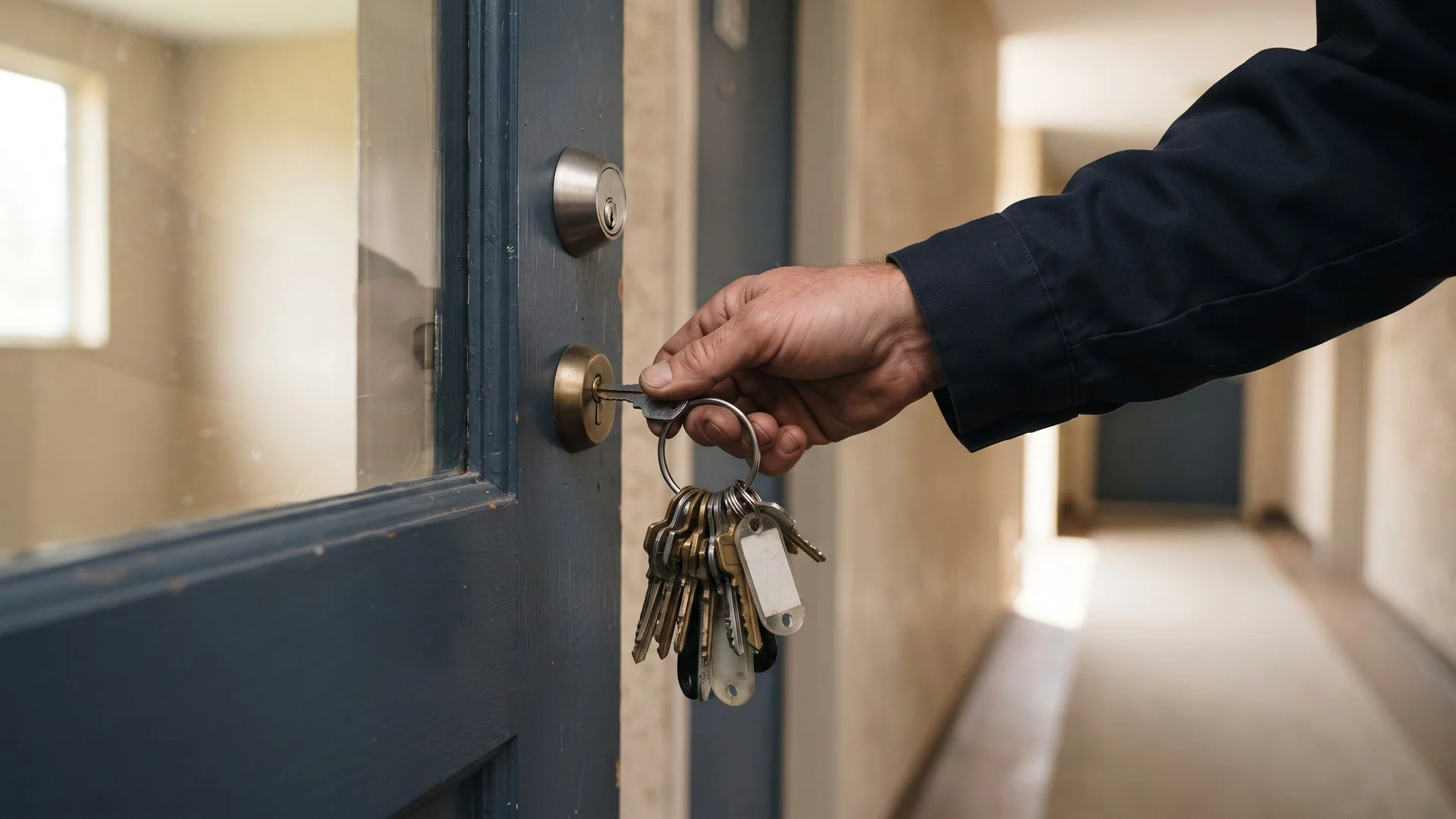
The tenant may not unreasonably withhold consent for the landlord to enter from time to time to (s. 83.53(1)):
- inspect the premises;
- make necessary or agreed repairs, decorations, alterations or improvements;
- supply agreed services; or
- show the unit to prospective or actual purchasers, mortgagees, tenants, workers or contractors.
How does a Florida landlord give notice and enter, step by step?
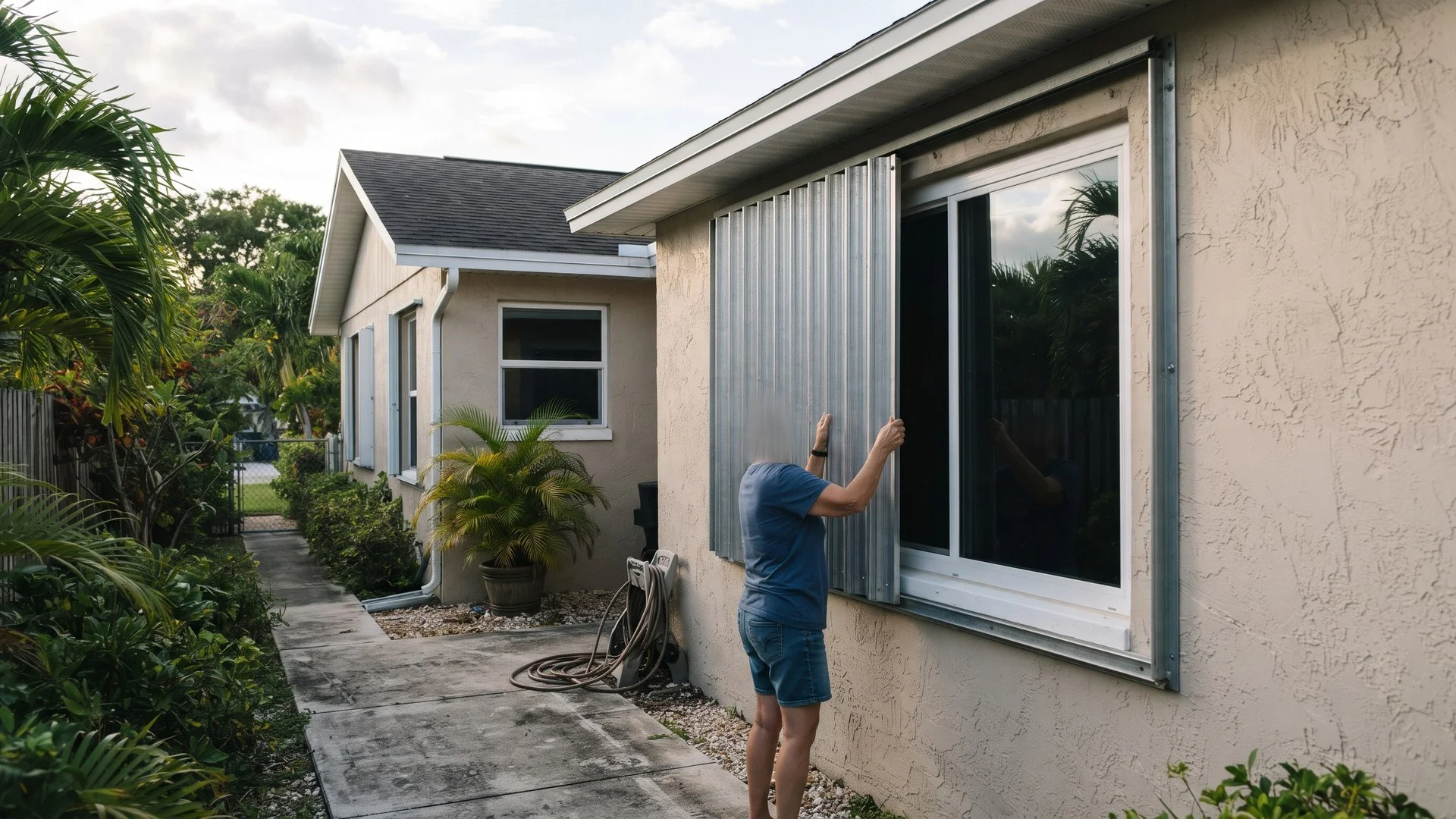
- Decide which rule applies. To protect or preserve the premises, you may enter at any time (s. 83.53(2)). For repairs, use the notice rule in step 2. For inspections, services and showings, use step 3.
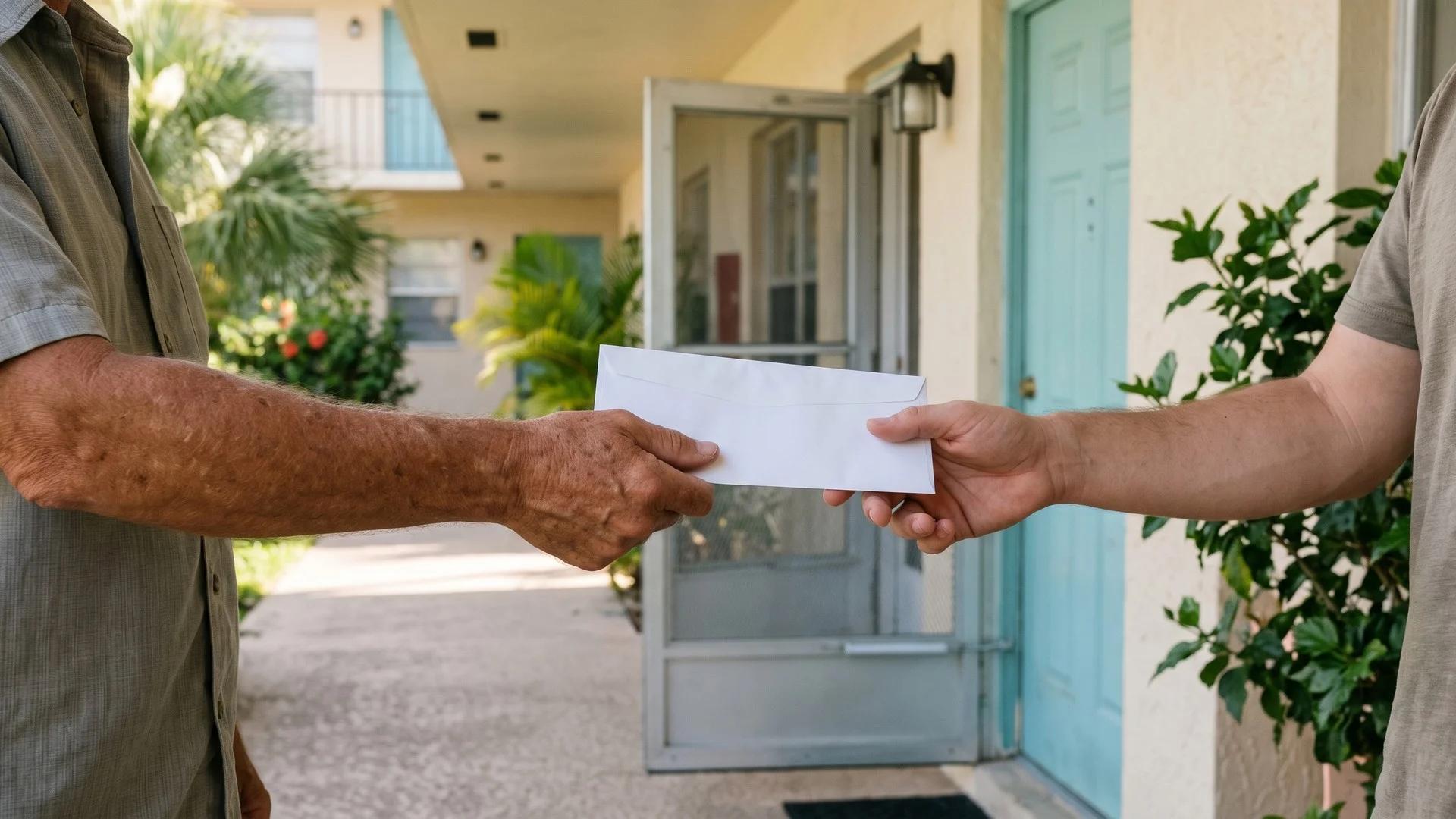
- For repairs, give reasonable notice and pick a reasonable time. Reasonable notice for repairs is notice given at least 24 hours before the entry, and a reasonable time for repairs is between 7:30 a.m. and 8:00 p.m. (s. 83.53(2)).
- For other purposes, have one of four grounds. You may enter for an inspection, agreed services or a showing: with the tenant's consent; in an emergency; when the tenant unreasonably withholds consent; or if the tenant is absent for a period equal to half the time between rent payments (s. 83.53(2)(a)-(d)).
- Check for a notice of absence. If the rent is current and the tenant told you about an intended absence, you may enter only with the tenant's consent or to protect or preserve the premises (s. 83.53(2)).
- Keep visits reasonable. A landlord must not abuse the right of access or use it to harass the tenant (s. 83.53(3)).
Florida landlord entry at a glance
| Reason for entry | What section 83.53 requires |
|---|---|
| Protect or preserve the premises | None: entry at any time |
| Repairs | At least 24 hours' notice; entry between 7:30 a.m. and 8:00 p.m. |
| Inspection, agreed services, showing to buyers, lenders, tenants, workers or contractors | Consent, emergency, consent unreasonably withheld, or the tenant absent for half a rent period |
| Tenant away after giving notice, rent current | Consent, or entry to protect or preserve the premises only |
What should a Florida landlord avoid?
- Repeated or pretext visits. Abusing access or using it to harass the tenant is forbidden by s. 83.53(3).
- Using entry to push a tenant out. Section 83.67 forbids changing the locks or otherwise preventing reasonable access, and removing outside doors, locks, roof, walls or windows except for maintenance, repair or replacement; see our Florida lockout and retaliation guide.
- Mixing entry with a rent dispute. Unpaid rent goes through a written notice and the court process; see our Florida 3-day notice guide and Florida eviction process guide.
- Skipping a move-in record. Inspection notes help when the deposit is settled; see our Florida security deposit guide.
Frequently asked questions
How much notice does a Florida landlord need to enter for repairs?
At least 24 hours, and the entry must be between 7:30 a.m. and 8:00 p.m. (s. 83.53(2)).
Can a Florida landlord enter without notice?
Yes, to protect or preserve the premises, and in an emergency. Other entries need the notice or one of the grounds in s. 83.53(2).
Can a tenant refuse a showing?
The tenant may not unreasonably withhold consent to show the unit to prospective or actual buyers, mortgagees or tenants. If consent is unreasonably withheld, the landlord may enter for that purpose (s. 83.53(1)-(2)).
How does this compare with other states?
Arizona uses a two-day notice; see our Arizona entry guide. More guides are in the Tenon10 topic hub.
Florida Landlord Entry: Landlord Checklist
A one-page checklist for Florida landlords entering a rental under section 83.53: the 24-hour repair notice, the 7:30 a.m. to 8:00 p.m. window, the four grounds for other entries and the limits.
Get Free PDF →More guides for Florida landlords
Read our free guides on Florida notices, deposits and evictions.
Free • No signup required