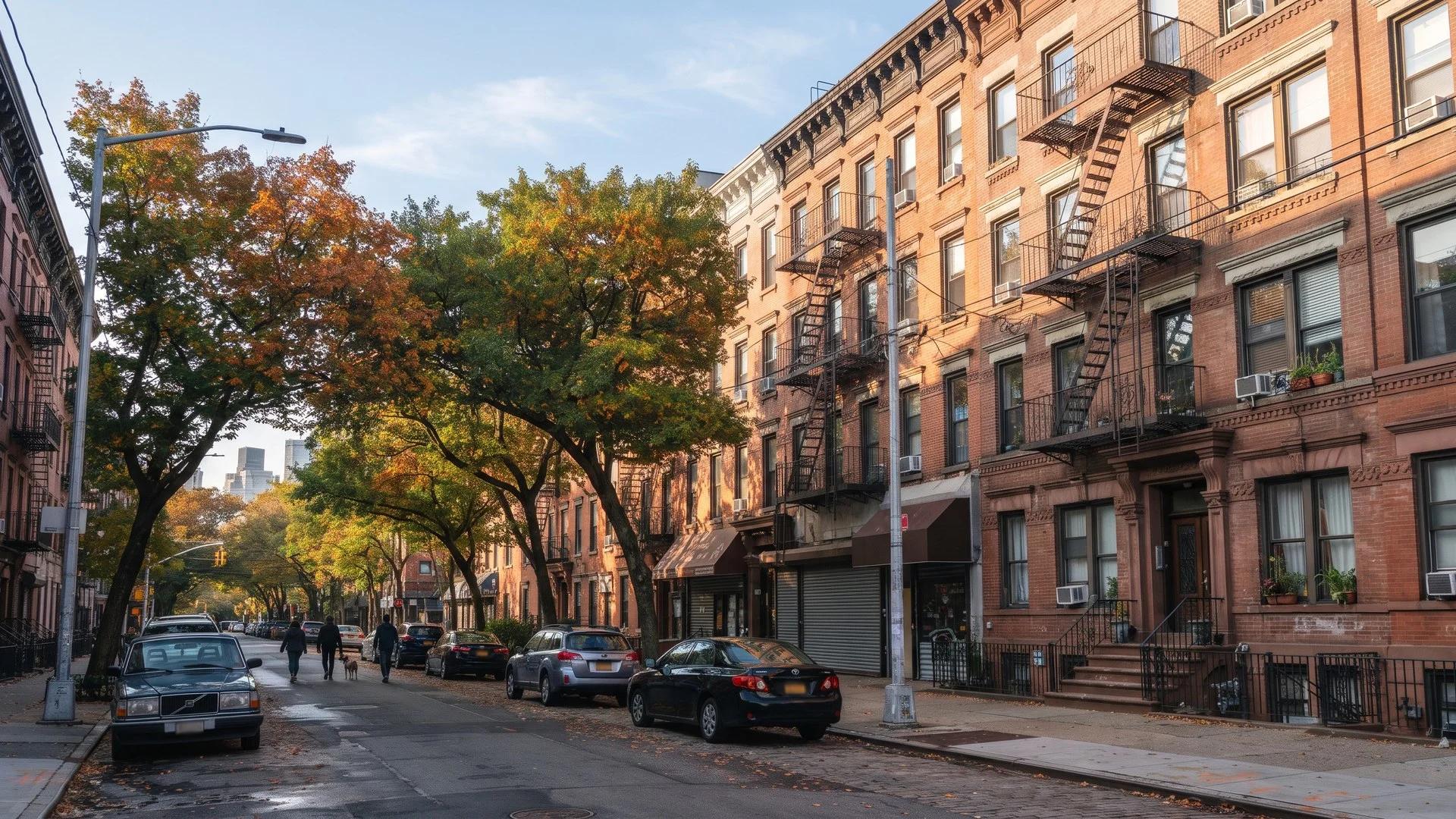
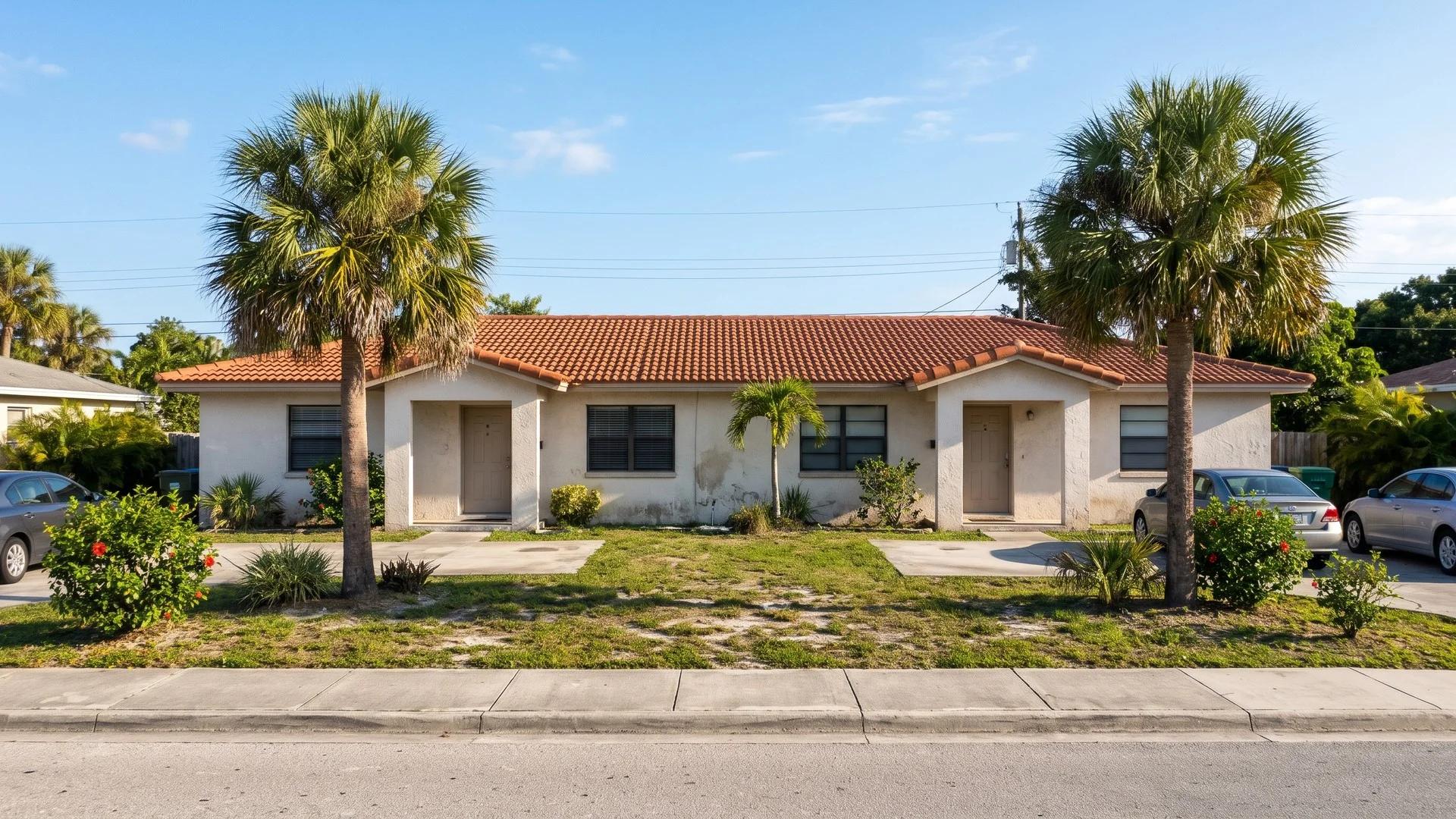
In New Jersey, Section 8 is the federal Housing Choice Voucher program, run statewide by the Department of Community Affairs (DCA) and locally by housing authorities. New Jersey's Law Against Discrimination (LAD) bars landlords from refusing a tenant because they pay with a voucher, and since January 12, 2026, any minimum-income test must count only the tenant's share of the rent.
How does Section 8 work in New Jersey?

Section 8 in New Jersey works the same way as everywhere in the US: a public housing agency issues a voucher, the tenant finds a private unit, the unit passes inspection, and the agency pays part of the rent directly to the landlord each month. The tenant pays the rest. DCA describes its program as a federally funded program that provides housing subsidies to New Jersey residents (NJ DCA).
| Party | Role |
|---|---|
| HUD | Funds the program and sets the federal rules |
| DCA or a local housing authority | Takes applications, issues vouchers, inspects units, pays the landlord its share |
| Tenant | Finds a unit, signs the lease, pays their portion of the rent |
| Landlord | Screens the tenant, signs a contract with the agency, maintains the unit |
For the full process from approval to move-out, see Section 8 for landlords: how the Housing Choice Voucher program works.
Can a landlord refuse Section 8 in New Jersey?

No. The LAD prohibits discrimination in housing based on the source of lawful income a tenant plans to use to pay rent, which includes Section 8 housing choice vouchers, the State Rental Assistance Program (SRAP), temporary rental assistance (TRA) and other federal, state or local subsidies (NJ Division on Civil Rights). According to the Division on Civil Rights, a landlord:
- cannot refuse to rent, or discourage a tenant from renting, because they will pay with a voucher;
- cannot justify a refusal by saying they do not want to fill out the paperwork or go through the Section 8 inspection;
- cannot advertise "No Section 8," "TRA not accepted" or "This property not approved for Section 8";
- must act to stop harassment over a tenant's source of income, including from other tenants, if they know or should have known about it; and
- cannot retaliate against a tenant for trying to pay with a voucher.
Source of lawful income also covers child support, alimony, SSI, unemployment, disability and veterans' benefits, and nonprofit rental assistance (NJ Office of the Attorney General).
What changed for New Jersey landlords in 2026?
An amendment to the LAD signed January 12, 2026 took effect immediately. It does two things, according to the Attorney General:
- It spells out a broad definition of source of lawful income, beyond vouchers, to include benefits such as child support, alimony, SSI and veterans' benefits.
- Any minimum income requirement or income standard must be calculated only on the portion of the rent the tenant will pay. A landlord cannot ignore the voucher when applying an income test.
| Example | Before | After January 12, 2026 |
|---|---|---|
| Rent $2,000; voucher pays $1,500; tenant pays $500; landlord's rule is income of 3× rent | Some landlords tested 3 × $2,000 = $6,000 a month | The test can only use the tenant's $500 share: 3 × $500 = $1,500 a month |
How do you apply for Section 8 in New Jersey?
You apply to a public housing agency when its waiting list is open. DCA's statewide list is closed. Its last open enrollment ran from January 17 to February 3, 2023, and a random lottery selected 20,000 households for the waiting list, with priority for veterans, people experiencing homelessness, people with disabilities, domestic violence survivors and local residents (NJ DCA).
Many local housing authorities across New Jersey run their own voucher lists, which open and close on their own schedules. Applicants must meet the income limits for the county where they will live, and an eligibility interview includes a criminal background check of adult household members.
How much does a Section 8 tenant pay in New Jersey?
Under federal rules, a voucher family generally pays about 30% of its adjusted monthly income toward rent and utilities, and the agency pays the rest up to its payment standard (HUD). If the family picks a unit that costs more than the payment standard, it pays the difference, and at move-in its share cannot exceed 40% of adjusted monthly income.
What should a New Jersey landlord do when a voucher holder applies?
- Screen the applicant with the same criteria you use for everyone, applying any income test to the tenant's share only.
- Complete the agency's request for tenancy approval with the tenant.
- Prepare the unit for the agency's inspection.
- Sign the lease with the tenant and the housing assistance payments contract with the agency.
- Collect the tenant's share from the tenant; the agency pays its share to you directly.
Frequently asked questions
Is it illegal to refuse Section 8 in New Jersey?
Yes. The Law Against Discrimination protects source of lawful income, including Section 8 vouchers, so refusing a tenant because of the voucher is unlawful.
Is the New Jersey Section 8 waiting list open?
DCA's statewide list is closed; its last enrollment was in early 2023. Local housing authorities may have open lists, so check with the ones near you.
Can a New Jersey landlord require income of three times the rent from a voucher holder?
Only on the tenant's own share. Since January 12, 2026, an income requirement must be calculated on the portion of the rent the tenant pays.
Where do I file a source of income complaint in New Jersey?
With the Division on Civil Rights, within 180 days of the incident, online at NJCivilRights.gov or by calling 866-405-3050.
Who pays the landlord under Section 8 in New Jersey?
The agency that issued the voucher pays its share directly to the landlord each month, and the tenant pays the rest.
New Jersey is one of the strongest states for voucher holders: refusing a voucher, advertising against it or applying an income test to the full rent is unlawful. Landlords who screen consistently and work with the agency's process can rent to voucher holders with a reliable share of rent paid each month. More guides are in Tenon10 guides by topic.
More US rental guides
State rules for landlords and tenants, checked against the statutes.
Free • No signup required