In Alberta, a landlord may dispose of tenant belongings left behind if the landlord reasonably believes they are worth less than $2,000 in total. Goods worth $2,000 or more must be stored for 30 days, then sold by public auction or, with court approval, by private sale (Residential Tenancies Act, s.31; AR 211/2004, s.5).
This FAQ is for Alberta landlords who find a unit empty or half-cleared, and for tenants who left something behind. It covers when goods count as abandoned, the $2,000 line, the 30-day storage rule, sale money and records. Related: security deposit deductions in Alberta.
When are a tenant's belongings "abandoned goods" in Alberta?
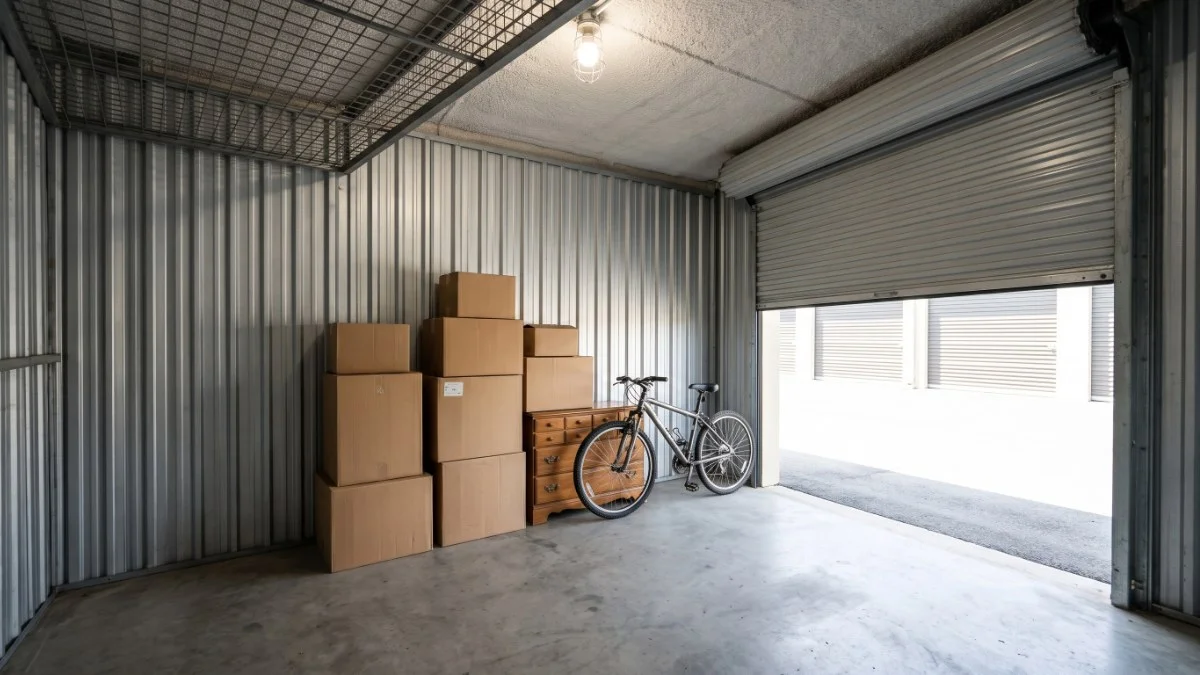
Goods are abandoned goods when a tenant leaves them at the rental after abandoning the premises, or after moving out once the tenancy expired or was terminated (RTA s.31(1)). The rules do not apply to goods on premises where a civil enforcement agency executes an order of possession (s.31(12)); the RTA Handbook says those follow the Alberta Rules of Court.
The Government of Alberta also notes that motor vehicles are not treated as abandoned goods under the Act, and a landlord needs a separate court order to take possession of one.
What can a landlord do with goods worth less than $2,000?
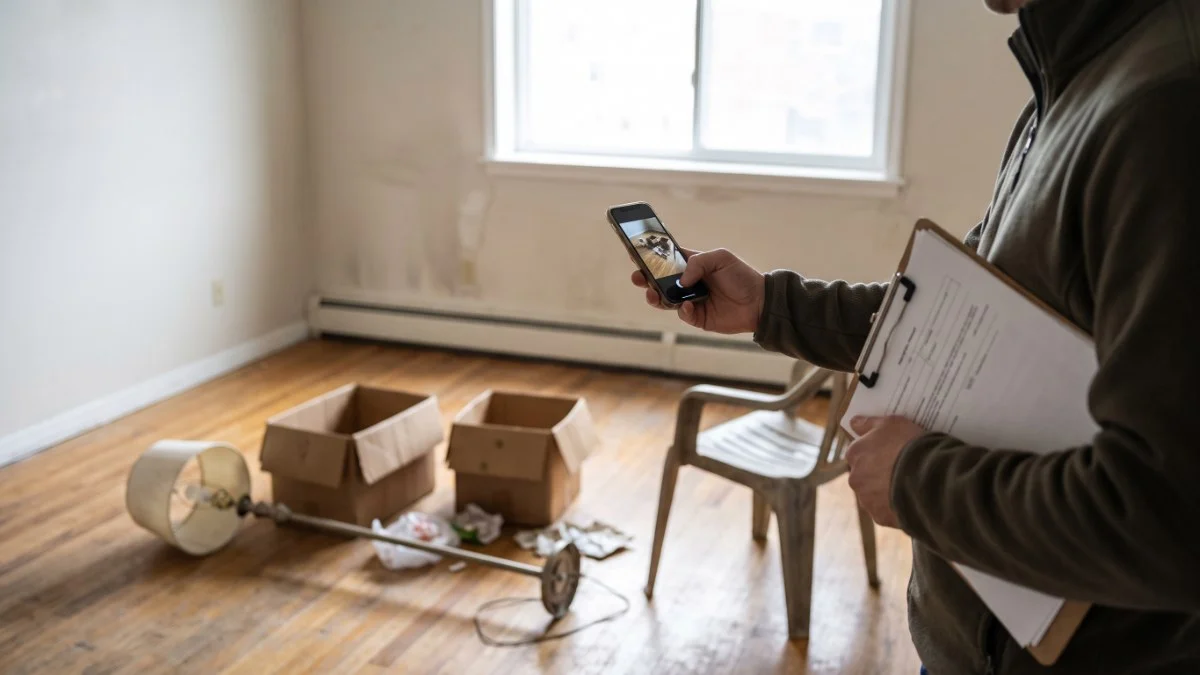
A landlord who believes on reasonable grounds that the goods have a total market value under $2,000 may dispose of them (s.31(2); AR 211/2004, s.5(1)). The value is the total of everything left, not item by item. Photograph the goods and note why you valued them as you did before anything leaves the unit.
| Situation | What the landlord may do | Source |
|---|---|---|
| Total value under $2,000 | Dispose of the goods | s.31(2); Reg s.5(1) |
| $2,000 or more, but unsafe or unsanitary to store, or would quickly lose value | Sell by reasonable means and price | s.31(3)(a) |
| $2,000 or more, removal and storage would cost more than the sale would bring | Sell by reasonable means and price | s.31(3)(b) |
| Any other goods of $2,000 or more | Store 30 days, then public auction or court-approved private sale | s.31(4); Reg s.5(2) |
What happens during the 30 days of storage?
The landlord stores the goods, or arranges storage, on the tenant's behalf for 30 days after the date they were abandoned (s.31(4)(a)). If the tenant pays the landlord's proper costs of removing and storing them, the landlord must give the goods back (s.31(8)). After 30 days the landlord may sell at public auction, or by private sale with court approval; if an auction draws no bid, the landlord may dispose of them (s.31(4)(b), (5)).
Where does the sale money go?
A landlord may apply sale proceeds to the proper costs of removing, storing and selling the goods, and to the tenant's liabilities for the tenancy if they are established as the regulation requires (s.31(9)). Rent or repair costs are established by an affidavit mailed to the tenant's last known address and copied to the Director of Residential Tenancies, or by a judgment (AR 211/2004, s.6). Any surplus goes to the Minister, who holds it for the tenant for one year (s.31(9), (10)).
Frequently asked questions
How does a landlord know the unit is abandoned?
The Act lets a landlord enter without notice if it has reasonable grounds to believe the tenant abandoned the premises (s.23(2)(b)). The RTA Handbook warns that a tenant has not abandoned the premises simply because they are away for a while, so look for clear signs before treating the unit as empty.
Can the landlord change the locks?
Once a landlord determines a tenant has abandoned the premises, the RTA Handbook says the landlord may change the locks to secure the unit and any belongings. While a tenant still lives there, the landlord must give a key whenever locks change (s.24(2)).
What records must a landlord keep?
A record of the goods, where and how long they were stored, any costs claimed and return date, sale details and any amount paid to the Minister, or how they were disposed of (s.31(13)). Keep it for at least 3 years (s.31(14)).
Is a landlord liable once goods are sold or thrown out?
No liability attaches to a person for selling or disposing of goods as section 31 allows (s.31(6)). The buyer acquires the tenant's interest in them (s.31(7)).
Document the move-out properly
Free inspection and notice forms for landlords and tenants.
Free • No signup required