Missouri squatters rights are limited. Since August 28, 2024, a Missouri owner or their agent can file a verified petition in circuit court and get an ex parte order the same day to remove people unlawfully occupying a residential property, with a hearing within 48 hours (RSMo 534.602). Tenants are excluded.
What is Missouri's unlawful occupancy law?
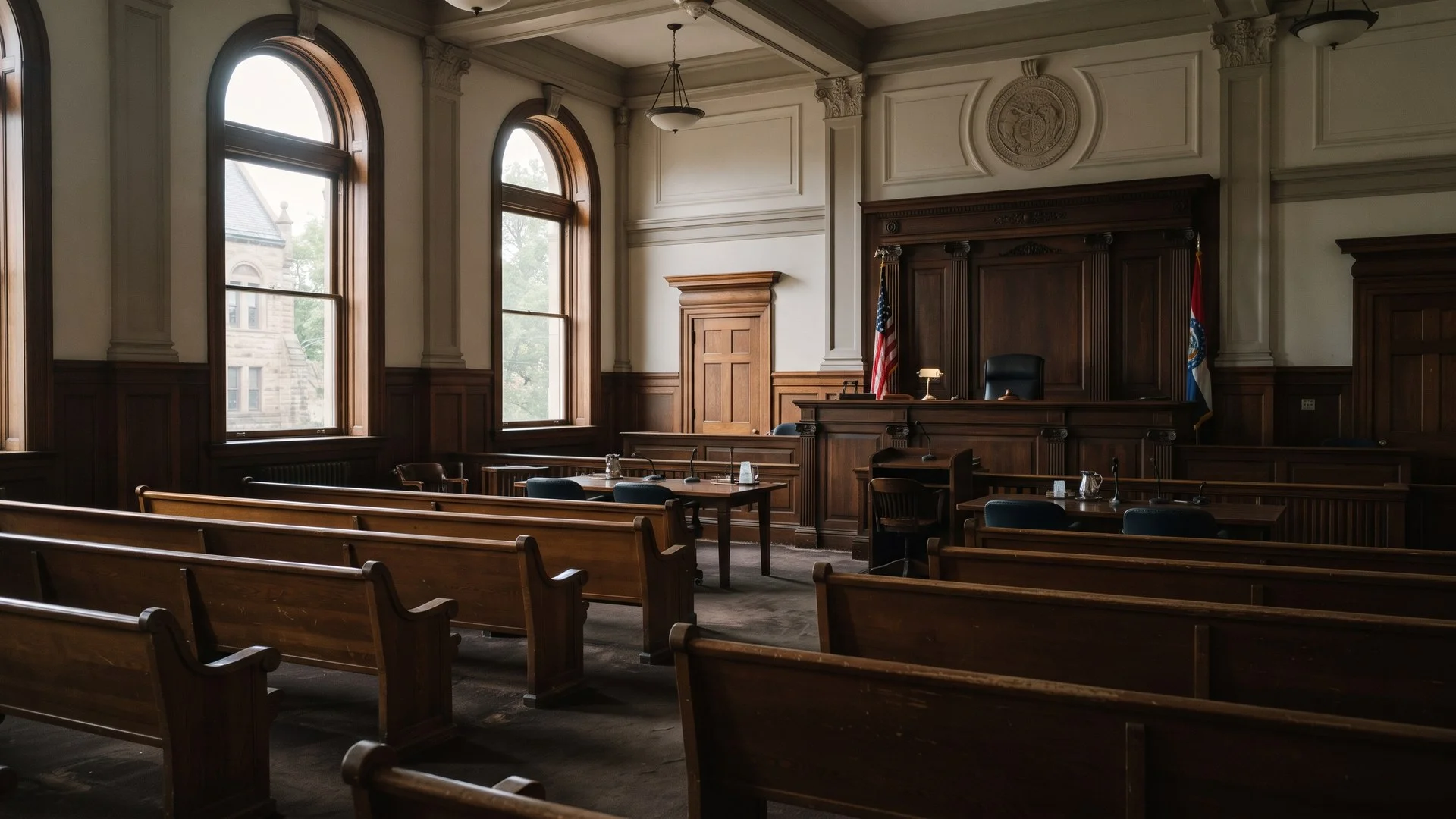
House Bill 2062 of 2024 added sections 534.602 and 534.604 to Missouri's forcible entry and unlawful detainer chapter. Section 534.602 lets a property owner, or the owner's authorized agent, ask a court to remove "unlawful occupants" of property that contains a residential dwelling by filing a verified petition in the county, or city not within a county, where the property is.
The statute defines an unlawful occupant as someone who detains, occupies or trespasses on property with a residential dwelling without the owner's permission, has no other legal right to occupy it under state law, and is not given any of the protections state law gives a tenant (RSMo 534.602.1(3)).
Court clerks must explain the forms and filing steps to an owner without a lawyer, at no cost, and filing fees and costs are the same as for a claim in associate circuit court (RSMo 534.602.3–.4).
What must the petition say?

The verified petition must set out nine points (RSMo 534.602.5(1)). Sufficient evidence that the people are unlawfully occupying the property counts as good cause for the order.
| The petition states that | Statute |
|---|---|
| The petitioner is the owner or the owner's authorized agent. | 534.602.5(1)(a) |
| The property includes a residential dwelling. | 534.602.5(1)(b) |
| Unlawful occupants entered and remain or keep living there. | 534.602.5(1)(c) |
| The property was not open to the public when they entered. | 534.602.5(1)(d) |
| They have no permission, are not the owner's guests and are not otherwise authorized. | 534.602.5(1)(e) |
| The owner told them to leave and they failed or refused. | 534.602.5(1)(f) |
| The property has not been leased to anyone for three consecutive months, and they are not current or former tenants under any agreement with the owner. | 534.602.5(1)(g) |
| They are not the owner's immediate family. | 534.602.5(1)(h) |
| No litigation about the property is pending between the owner and any known occupant. | 534.602.5(1)(i) |
How fast does a Missouri court act?
On filing, and for good cause shown in the petition, the court must immediately issue an ex parte order to remove the respondent (RSMo 534.602.5(1)). The order takes effect when entered and stays in effect until there is valid service and a hearing, which must be held within 48 hours of filing the petition unless good cause is shown for a delay (534.602.5(2)). Failing to serve the ex parte order does not affect its validity or enforceability (534.602.5(3)). If the petitioner is not authorized to seek relief or does not show good cause, the court denies the order and dismisses the petition.
The ex parte order can also restrain the occupant from violence, threats or disturbing the peace, from coming near the property, and from contacting the owner (534.602.6).
What does the sheriff do?

| Step | Rule | Statute |
|---|---|---|
| Enforcement | Once the court grants an order, the sheriff enforces it by removing the respondent. | 534.602.9 |
| Arrests | If appropriate, the sheriff may arrest anyone found in the dwelling for trespass, outstanding warrants or other legal cause. | 534.602.10 |
| Fee | The same fee as serving a writ of possession under section 57.280. | 534.602.11 |
| Keeping the peace | On request, the sheriff can stand by while the owner changes the locks and moves the occupants' belongings to or near the property line, at a reasonable hourly rate the requester pays. | 534.602.11 |
| Violating the order | An officer with probable cause must arrest a respondent who violates an ex parte order they have notice of; a violation is a class A misdemeanor. | 534.604 |
The sheriff is not liable for loss or damage to property. The owner is not liable for loss or damage to the occupants' personal property unless the removal was wrongful (534.602.11).
What can the court order after the hearing?
If the court issues an order permanently excluding the occupants, it may also permanently restrain and expel them and their belongings, and order them to pay the cost of repairing damage they caused, the cost of serving the ex parte order and court costs (RSMo 534.602.7). The court keeps jurisdiction over the order, may hold compliance hearings, and can punish a willful violation as contempt (534.602.15).
What if someone is removed without just cause?
A person removed without just cause can sue to be restored to possession and recover actual damages to personal property that was removed, $1,000 in statutory damages, and court costs (RSMo 534.602.12). Any award is offset by damage the person caused to the real property, which the owner must prove, and actual damages cannot exceed the value of the damaged personal property.
Does the new law apply to tenants?
No. An unlawful occupant by definition has none of the protections state law gives a tenant, and the petition must state the occupants are not current or former tenants under any agreement with the owner. A tenant who holds over is removed through the unlawful detainer action in RSMo 534.030, after a written demand for possession delivered, left with someone over fifteen, or posted on the premises (534.050).
The older chapter 534 actions carry a limit worth knowing: they do not extend to someone who has had uninterrupted occupation or quiet possession for three whole years immediately before the complaint (RSMo 534.300). Section 534.602 opens with "notwithstanding any provision of this chapter to the contrary".
Frequently asked questions
How long until a squatter gets rights in Missouri?
For ownership, Missouri bars an action to recover land unless the plaintiff, or someone they claim through, was seized or possessed of it within ten years before the action (RSMo 516.010). Acting quickly keeps an owner well clear of that.
Is squatting a crime in Missouri?
It can be first-degree trespass: knowingly entering or remaining unlawfully in a building or inhabitable structure, a class B misdemeanor (RSMo 569.140). The 2024 law says it does not limit an officer's authority to arrest for trespassing, vandalism, theft or other crimes (534.602.13).
Do I need a lawyer to file?
No. Clerks must explain the filing procedures to an owner or agent without counsel, free of charge, and the Supreme Court may provide forms and instructions.
Can I still use the ordinary eviction process?
Yes. Proceedings under section 534.602 are in addition to any other available civil or criminal remedies unless the section says otherwise (534.602.14).
Missouri's 2024 law gives owners a same-day court order and a 48-hour hearing against true squatters, enforced by the sheriff. For a landlord, the lines to watch are the tenancy and the three-month no-lease condition; anyone who rented under an agreement with you goes through unlawful detainer instead.
More guides for US landlords
Leases, deposits and eviction rules, state by state.
Free • No signup required