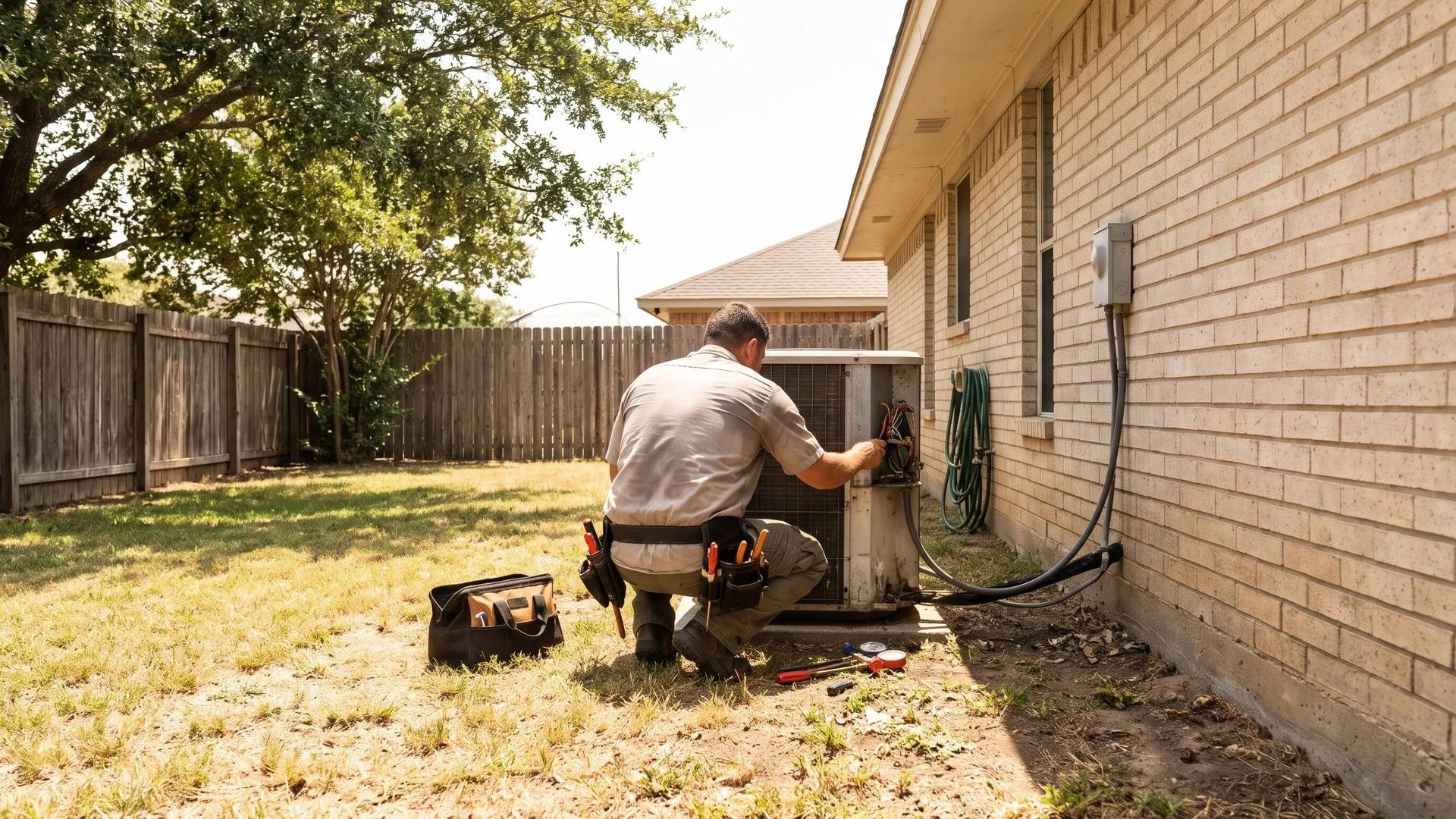
In Texas, a person who enters someone else's property without legal authority or by force and refuses to leave on demand commits a forcible entry and detainer (Tex. Prop. Code §24.001), and the owner removes them through an eviction suit in justice court. Senate Bill 38, in force January 1, 2026, lets the owner give an oral or written notice to vacate immediately and file a sworn motion for summary disposition, so an uncontested case can end without a trial.
What counts as a squatter under Texas law?

Texas law calls it a forcible entry. Under §24.001(b), a forcible entry is any of these:
- an entry without the consent of the person in actual possession of the property;
- an entry without the consent of a tenant at will or by sufferance; or
- an entry without the consent of a person who acquired possession by forcible entry.
A tenant who stays after the lease ends is different: that is a forcible detainer (§24.002), and the usual written notice to vacate rules apply. Our guide to the Texas eviction process in justice court covers tenants.
How do you remove a squatter in Texas?

The steps after SB 38 (Acts 2025, 89th Leg., ch. 960) are set out in Chapter 24 of the Property Code:
| Step | Rule | Section |
|---|---|---|
| Notice to vacate | For a forcible entry, oral or written notice; it may require the occupant to leave immediately or by a deadline. | §24.005(d) |
| File the suit | A sworn petition in the justice court of the precinct where the property is. | §24.004, §24.00505 |
| Summary disposition | The sworn petition may include a sworn motion for summary disposition; the occupant has until the 4th day after service to file a response. | §24.005106(a) |
| Trial if facts are disputed | Set no earlier than the 10th day and no later than the 21st day after the petition is filed. | §24.005106(c) |
| Appeal | Filed no later than the 5th day after the judgment is signed. | §24.005107(a) |
| Writ of possession | Not issued before the 6th day after judgment (unless a possession bond is approved); served within 5 business days of issue. | §24.0061(b), (b-1) |
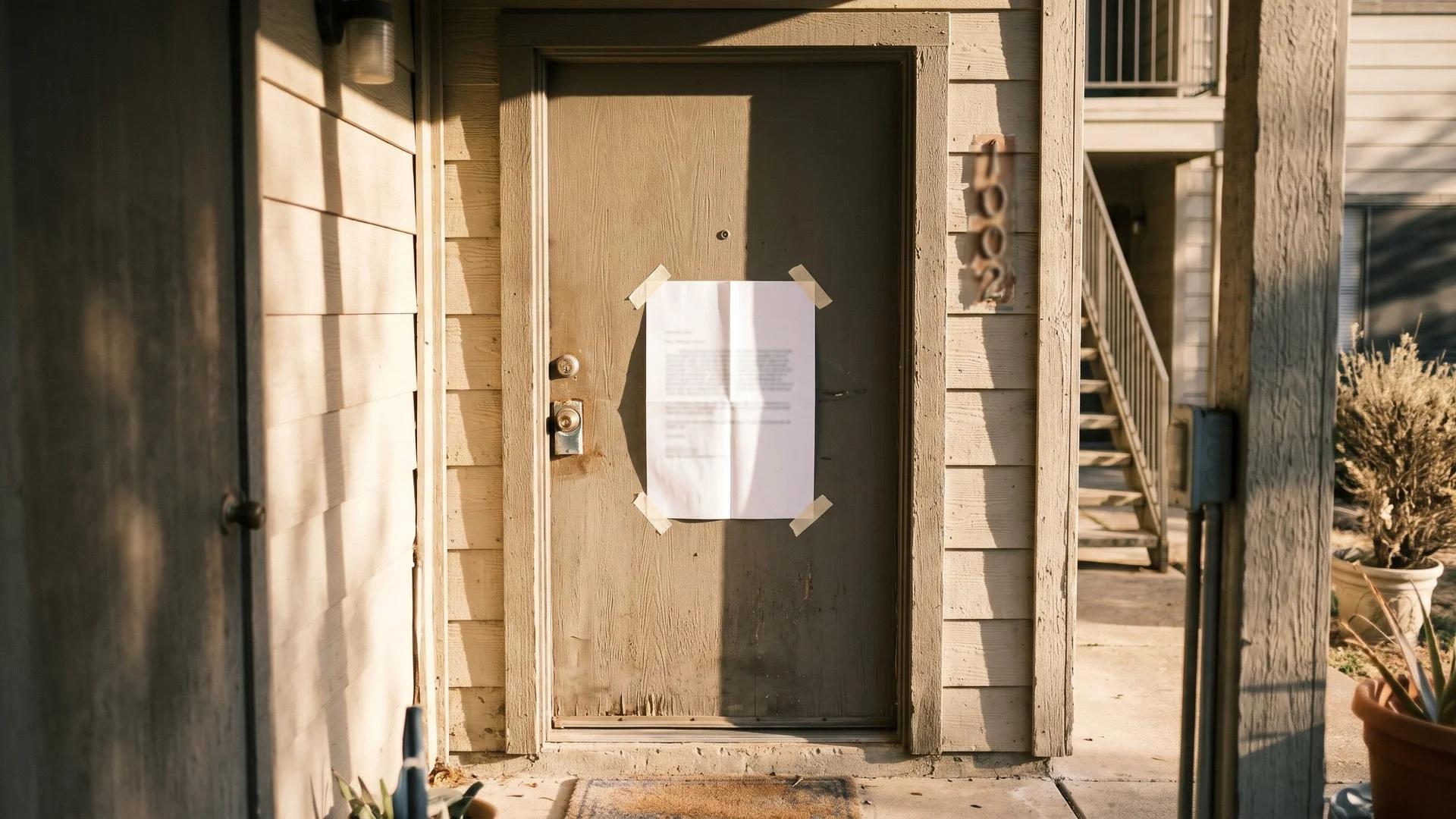
| Execution | The officer posts a warning on the front door at least 24 hours before executing the writ. | §24.0061(d) |
The justice court decides only the right to actual possession, not title (§24.004(c)). If the occupant claims they own the property, that question goes to a separate suit in a court with jurisdiction over title.
Can a Texas owner change the locks on a squatter?

Not on a tenant. A landlord may not intentionally prevent a tenant from entering the dwelling except by judicial process, with narrow exceptions such as changing the locks for unpaid rent under strict conditions (Tex. Prop. Code §92.0081). Because the line between a squatter and a tenant at will is a legal question, the forcible entry and detainer suit is the safe route for anyone living in the property.
Can a squatter get title by adverse possession in Texas?
Texas sets adverse possession periods of 3, 5 and 10 years depending on the claim. A claim with title or color of title runs 3 years; one with cultivation, payment of taxes and a registered deed runs 5 years; and peaceable and adverse possession with cultivation, use or enjoyment runs 10 years (Tex. Civ. Prac. & Rem. Code §16.024-16.026). Paying your taxes, keeping the deed recorded and acting quickly on a forcible entry keep these clocks from running.
Frequently asked questions
How fast can you evict a squatter in Texas?
If the occupant does not respond to a summary disposition motion within 4 days of service, judgment can be entered without a trial. A writ of possession then issues no earlier than the 6th day after judgment.
Do I have to give a squatter written notice in Texas?
No. For a forcible entry, the notice to vacate may be oral or written, and may require the occupant to leave immediately (§24.005(d)).
When did SB 38 take effect?
Most of SB 38 took effect January 1, 2026; one section took effect September 1, 2025.
Can a squatter get my house in Texas?
Only by meeting one of the adverse possession periods in Chapter 16 of the Civil Practice and Remedies Code, from 3 to 10 years depending on the claim.
Texas gives owners a defined track for squatters: notice to vacate, a sworn petition, and a judgment that can come without trial when the facts are not in dispute. Following each step keeps the writ of possession on schedule.
Texas landlord forms in one place
Notices and tenancy forms, filled in online.
Free • No signup required