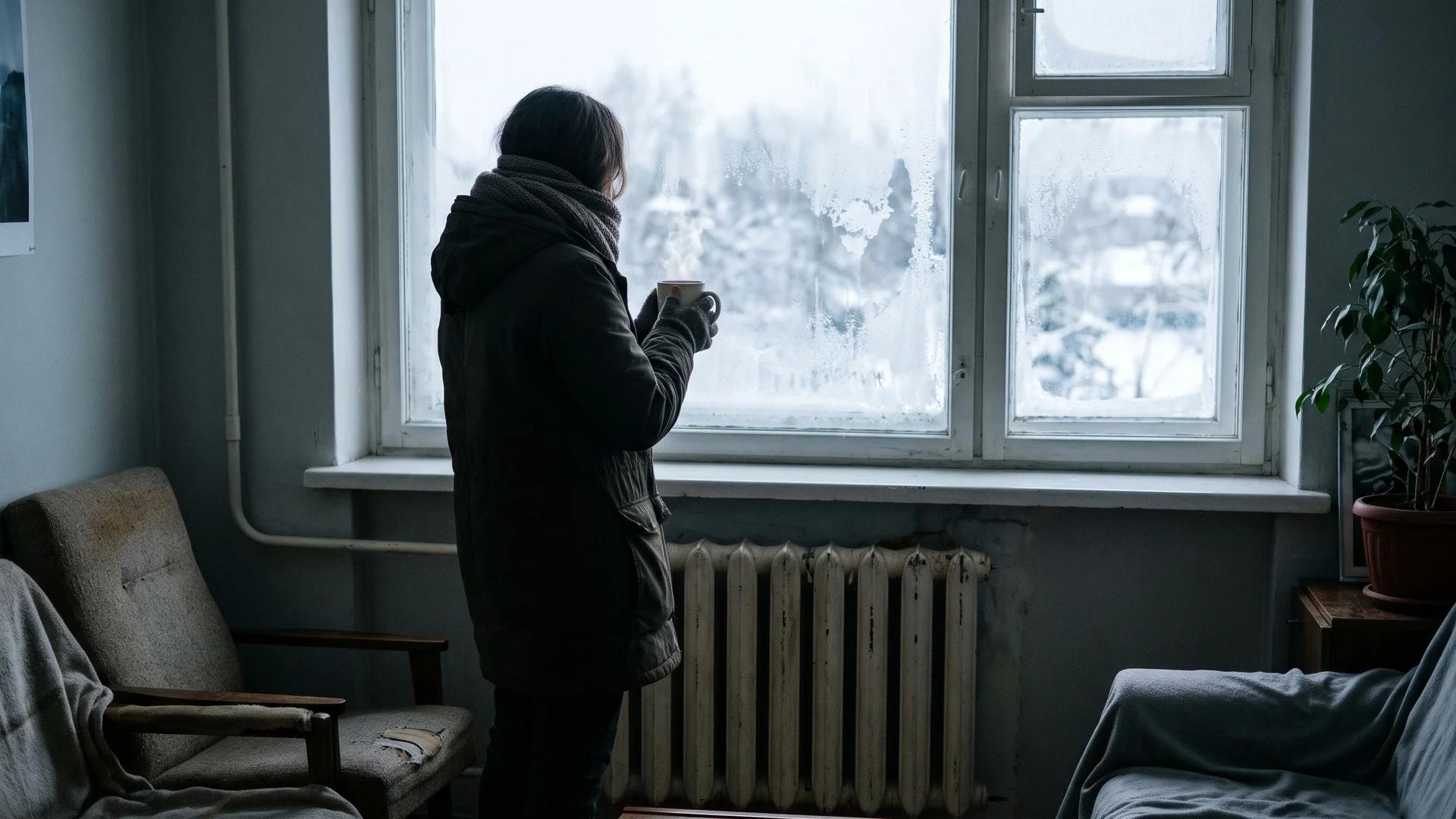
Mould in a Saskatchewan apartment is the landlord's problem to fix when it comes from the building, such as a leak, failed seal or broken fan, because the landlord must keep the property in a good state of repair and fit for habitation (The Residential Tenancies Act, 2006, s.49(1)(a)). It shifts to the tenant only where the tenant's own actions or neglect caused it (s.49(6)).
At a glance: mould in Saskatchewan rentals
- Named in the law? No. Neither the Act nor the Regulations mention mould.
- Landlord: good repair, fit for habitation, and working services and facilities (s.49(1)).
- Tenant: reasonable health, cleanliness and sanitary standards, and repair of damage they cause (s.49(5)–(6)).
- If nothing happens: apply to the Office of Residential Tenancies (ORT); keep paying rent (s.42(1)).
Who is responsible for mould in a Saskatchewan rental?
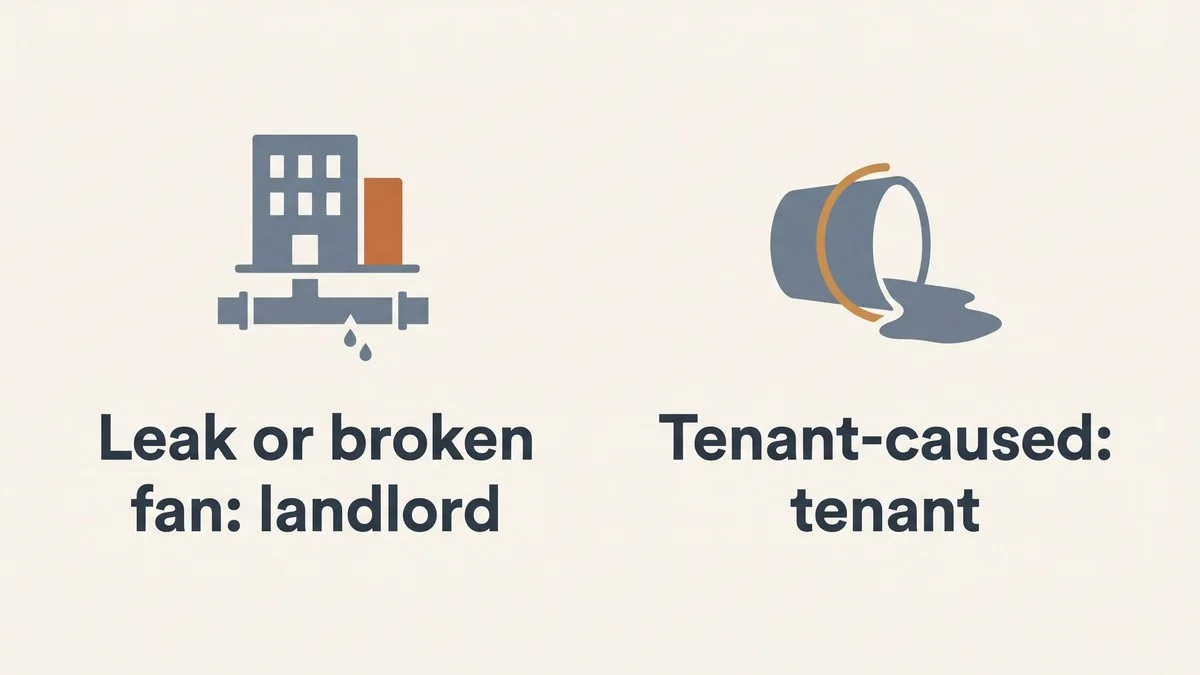
Saskatchewan law decides mould by its cause. The landlord's duty covers the building and every service and facility it supplies, such as plumbing, bathroom fans and heating, whether the problem comes from wear and tear or any other cause (s.49(1)(b), (4)). The tenant must keep the unit reasonably clean and sanitary and must repair damage caused by the tenant or their guests (s.49(5), (6)).
| Likely source | Usually whose job | Rule |
|---|---|---|
| Roof, window or pipe leak | Landlord | s.49(1)(a) |
| Broken exhaust fan or plumbing fixture supplied with the unit | Landlord | s.49(1)(b), (4) |
| Spill or overflow left uncleaned by the tenant | Tenant | s.49(5)–(6) |
| Disagreement about the cause | The ORT decides on the evidence | s.70 |
The duty also applies to a problem the tenant could see before signing: s.49(1)(a) says it applies even where the disrepair existed to the tenant's knowledge before the agreement. Our guide to who fixes what in Saskatchewan rentals covers repairs generally.
What should a tenant do first?
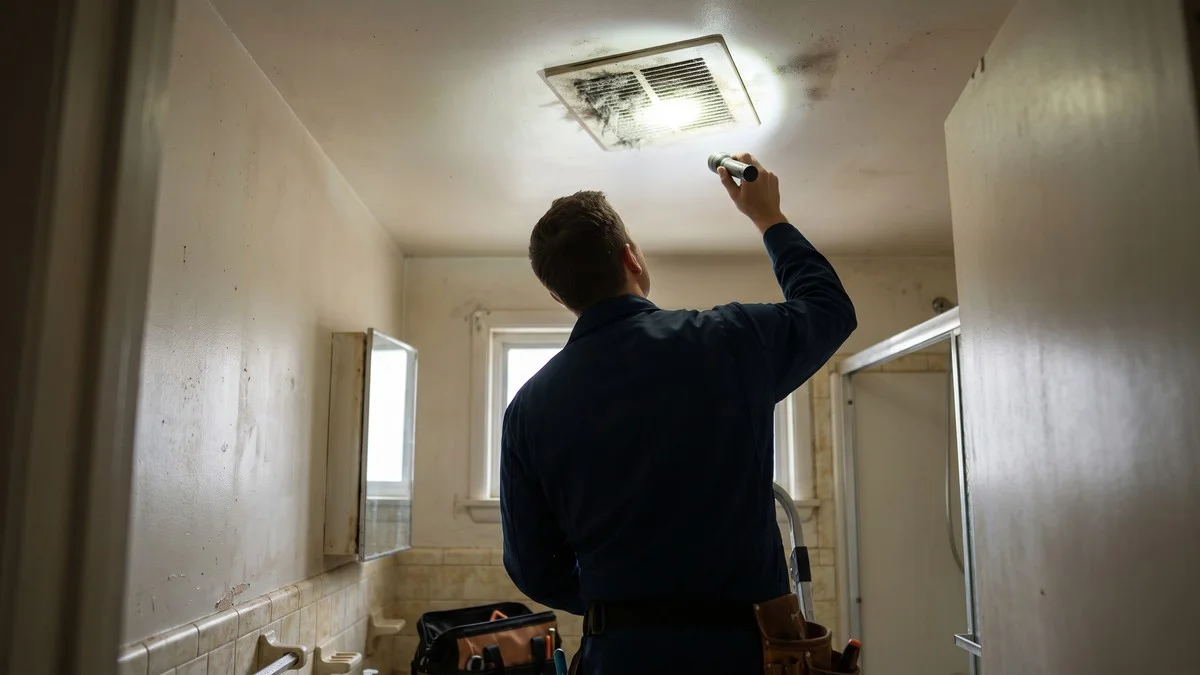
Report it to the landlord in writing as soon as you see it, with photos and where it is. The ORT's guidance is that written communication is best because it can later be used as evidence. Then allow the landlord in to inspect and repair: with 24 hours' to seven days' written notice the landlord may enter for a reasonable purpose (s.45(1)(b)), and see Saskatchewan's entry rules for the four-hour window.
What if the landlord does nothing?

A Saskatchewan tenant can apply to the ORT. After a hearing, the hearing officer may order the landlord to make the repair, award damages, or order rent paid to the director and used to fix the problem (s.70(6)(a)–(c), (7)). The fee is $50, and a Breach of Tenant's Rights application is urgent while you still live there (ORT Rules of Procedure). Rent must still be paid on time in the meantime; see how ORT hearings work.
Frequently asked questions
Can I move out because of mould?
If the landlord breaches a material term, for example the unit becomes uninhabitable, a tenant may end the tenancy on short written notice stating the reason, after giving a reasonable time to fix a problem that can be fixed (Regulations, Schedule 1, s.16(3)–(4)).
Who pays for damaged belongings?
A party who breaks the Act or the lease must compensate the other for resulting loss (s.8(1)), but the claimant must take reasonable steps to limit it (s.8(2)). Tenant's insurance may also be relevant.
Can a landlord charge me for mould cleanup when I move out?
Only for damage beyond reasonable wear and tear that the tenant caused; the landlord makes that claim against the deposit or through a monetary application, and the tenant can dispute it.
Is there a provincial mould standard?
Not in Saskatchewan's tenancy law, which relies on the general duty to keep the unit in good repair and fit for habitation (s.49(1)). Other provincial or municipal rules are outside this summary.
Mould is a repair question in Saskatchewan, settled by cause and evidence. More help is in the Canadian Tenant Resource Center.
Renting with a repair problem?
Plain-language guides for tenants in Saskatchewan and across Canada.
Free • No signup required