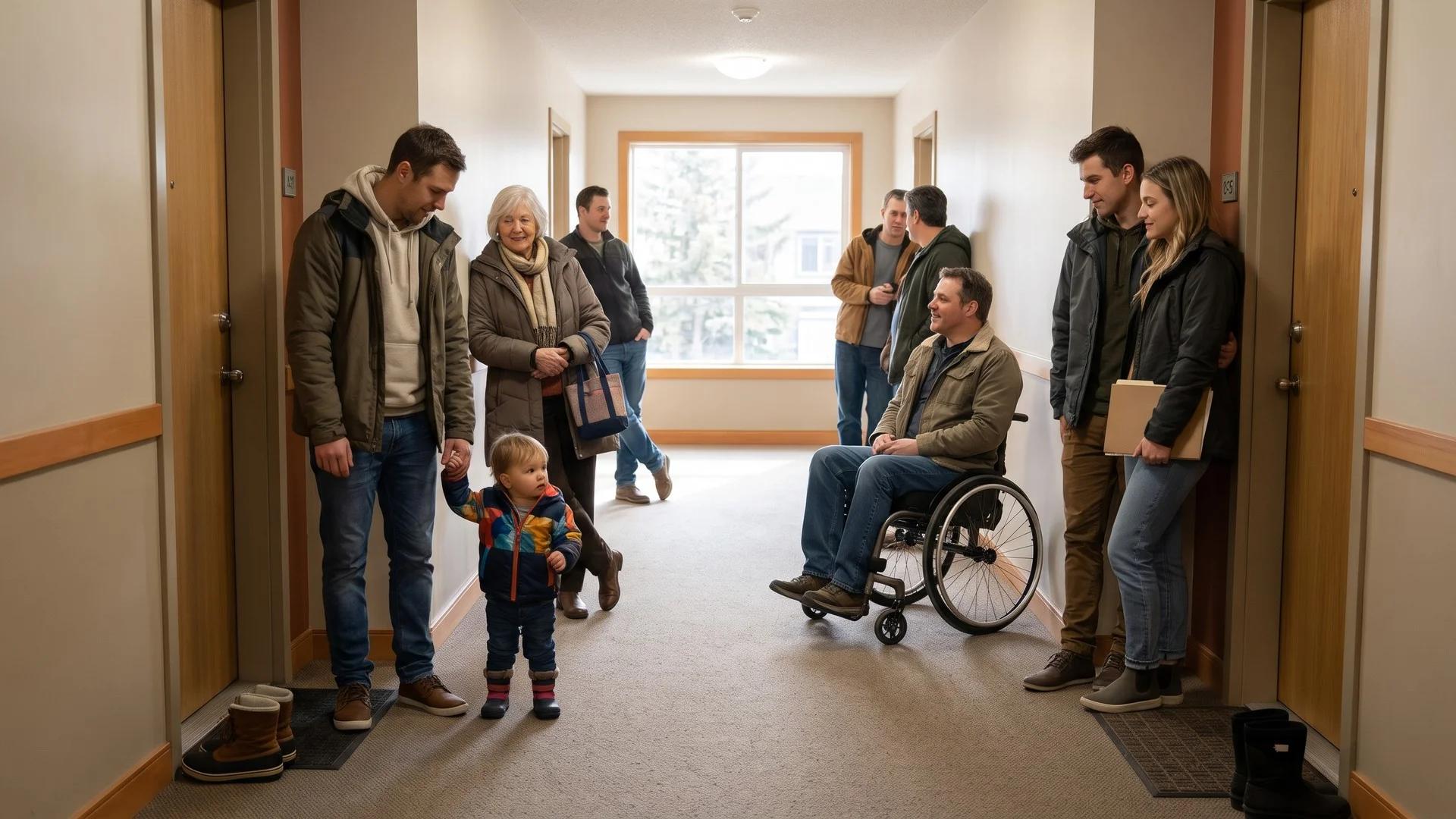
The Alberta RTA applies only to tenancies of residential premises, and s.2(2) lists what it leaves out. The exclusion owners meet most is a room in the landlord's own living quarters while the landlord lives there. A self-contained suite in the same house is a different case: Service Alberta says a suite in a home carries the Act's rights and responsibilities.
This guide walks through every exclusion in the Residential Tenancies Act, explains the room-versus-suite line, and sets out what changes for a landlord advertising a room that falls outside the Act. For the rules that apply to an ordinary tenancy, see The Alberta Landlord Guide: Every Rule in One Place.
Alberta RTA Exclusions: Landlord Checklist
A one-page checklist for Alberta landlords deciding whether the Residential Tenancies Act covers a room, suite or short stay, and what to put in writing when it does not.
Get Free PDF →What does the Alberta RTA apply to?
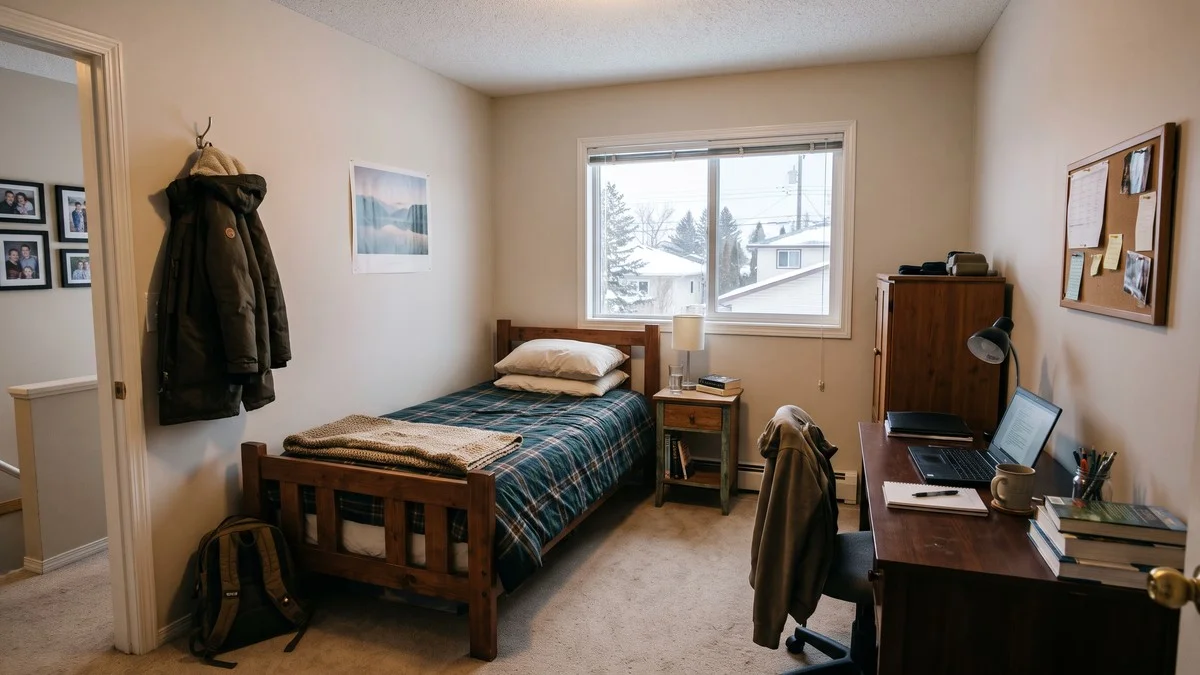
The Alberta RTA applies only to tenancies of residential premises (s.2(1)). "Residential premises" means any place occupied by an individual as a residence, and a residential tenancy agreement may be written, oral or implied (s.1(1)(l), (m)).
Service Alberta's tenant guide lists the usual cases it covers: a house, apartment, duplex or mobile home; a hotel or motel room rented for more than six consecutive months; and a rooming or boarding house in most cases.
Which kinds of housing does the Alberta RTA exclude?
Section 2(2) lists the exclusions. The Act does not apply to:
| Exclusion | RTA s.2(2) |
|---|---|
| A mobile home site under the Mobile Home Sites Tenancies Act | (a) |
| Premises used for business with living accommodation attached, rented under one agreement | (b) |
| Rooms in the living quarters of the landlord, if the landlord actually lives there | (c) |
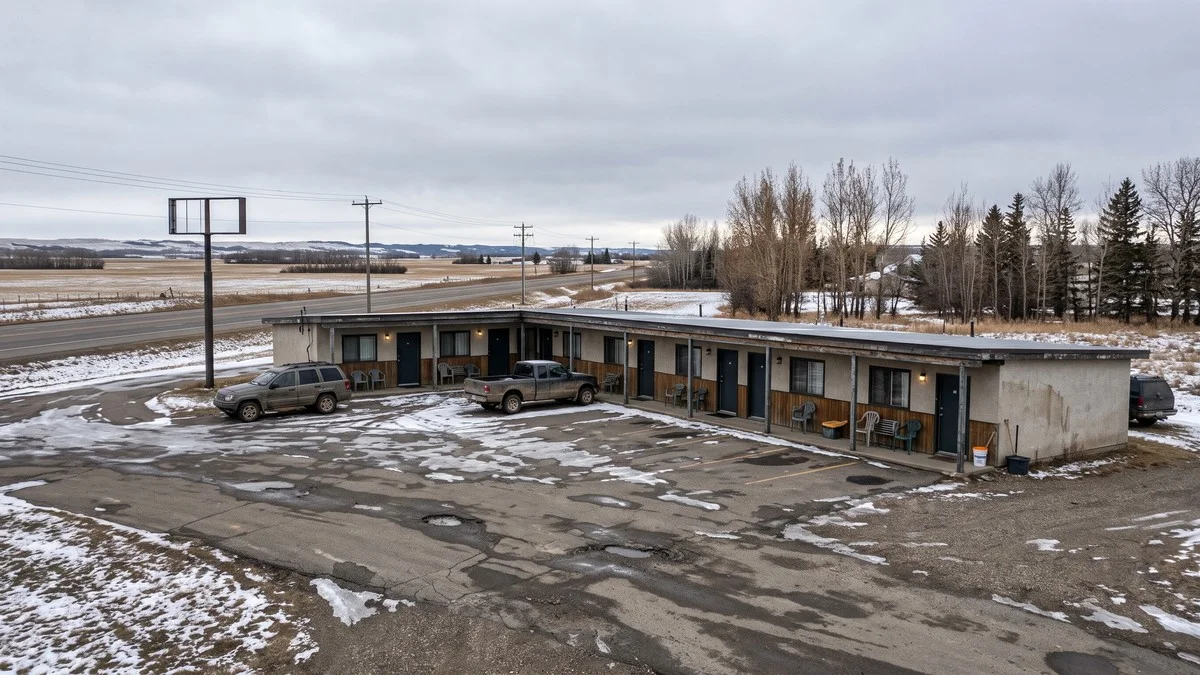
| A hotel, motel, resort, lodge, tourist camp, campground cottage or cabin, trailer park, tourist home, bed and breakfast or farm vacation home, if the person lives there less than 6 consecutive months | (d) |
| A tenancy between an educational institution and its student, unless the student has exclusive possession of a self-contained dwelling unit | (e) |
| A continuing care home under the Continuing Care Act | (f) |
| Lodge accommodation under the Alberta Housing Act run by a management body under a ministerial order or a ministerial agreement | (g) |
| Supportive living accommodation under the Continuing Care Act | (h.1) |
| A correctional institution | (i) |
| Any other prescribed premises | (j) |
Most private landlords only ever meet (c), (d) and sometimes (b). The others concern institutions and parks.
Is renting a room in your own home covered by the RTA?
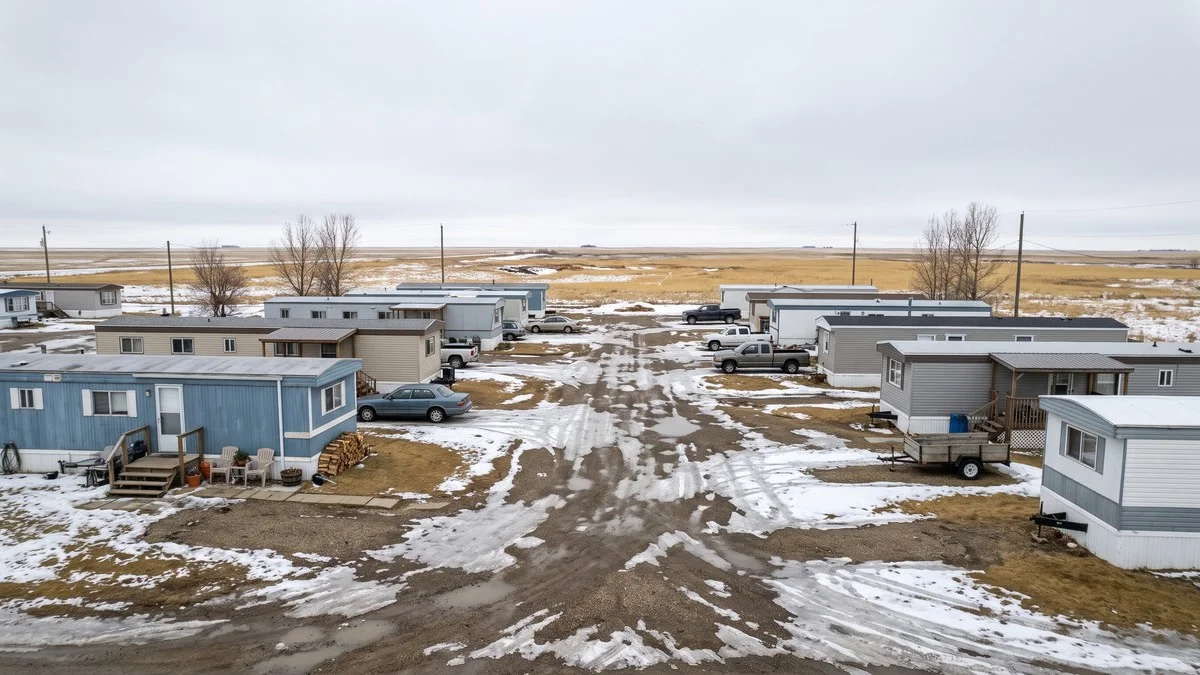
Usually not. Section 2(2)(c) excludes rooms in the landlord's living quarters if the landlord actually resides there. Service Alberta's guide puts it in practical terms: if a person rents a room and shares other common areas of the home with the landlord, like the kitchen, the RTA doesn't apply, and the written agreement is treated as a contract enforceable through the courts.
Two conditions do the work:
- The landlord lives there. A house where the owner lives elsewhere and rents rooms to several people is not a room "in the living quarters of the landlord". Service Alberta lists rooming and boarding houses among the places the Act usually covers.
- The room is part of the landlord's quarters. Sharing the kitchen or common areas with the landlord points to the exclusion.
What about a basement suite when you live upstairs?
A self-contained suite is usually covered. Service Alberta's guide says that when renting a suite in a home, the tenant has the rights and responsibilities set out in the RTA. A suite with its own kitchen and bathroom is not a room in the landlord's living quarters, even if the landlord lives upstairs. That means the full Act applies: the deposit cap of one month's rent (s.43), the trust account (s.44), entry notice (s.23), the inspection reports (s.19) and the notice rules for ending the tenancy.
| Arrangement | RTA applies? |
|---|---|
| Room in your home, sharing your kitchen, you live there | Usually no (s.2(2)(c)) |
| Self-contained basement suite, you live upstairs | Yes |
| Rooms in a house you own but do not live in | Usually yes |
| Guest suite or B&B room, stay under 6 months | No (s.2(2)(d)) |
| Same, stay of 6 consecutive months or more | Yes |
| Shop with an apartment above, rented together under one agreement | No (s.2(2)(b)) |
What changes when you list a room outside the RTA?
When the Act does not apply, its protections and duties do not apply by force of statute, and the written agreement governs. Service Alberta says that agreement is enforceable through the courts. That makes the written agreement the whole rulebook, so it should cover:
- rent, the due date and how it is paid;
- any deposit, where it is held and when it is returned;
- shared spaces, house rules and guests;
- how much notice either side gives to end the arrangement;
- how entry to the room itself will work.
The human rights side also shifts. The Alberta Human Rights Act's tenancy section, s.5, applies to a "commercial unit or self-contained dwelling unit", which a shared room is not. Section 3, which bars publishing a notice that indicates discrimination on a protected ground, has no such limit in its text. Keep the ad itself neutral; see What You Can and Can't Say in an Alberta Rental Ad.
Does the RTA cover a short-term or furnished rental?
Furnishing does not decide it. What matters for a hotel, B&B, tourist home or similar is the length of stay: the exclusion in s.2(2)(d) applies only if the person resides there for less than 6 consecutive months. A furnished apartment rented as a home is covered like any other.
Frequently asked questions
I rent a room in my house and live there. Do I have to put the deposit in a trust account?
The trust-account rule is in the RTA, which s.2(2)(c) excludes for a room in your own living quarters. Your written agreement governs the deposit, so say in it where the money is held and when it comes back.
Can a roomer in my home apply to the RTDRS?
Service Alberta's guide says that where the RTA does not apply to a shared room, the written agreement is enforceable through the courts. Read the dispute route in that light.
Does the RTA cover a student living in residence?
Not unless the student has exclusive possession of a self-contained dwelling unit from the institution (s.2(2)(e)).
My tenant shares a kitchen with another tenant, not with me. Is that excluded?
The s.2(2)(c) exclusion turns on the landlord's own living quarters. Rooms in a house the landlord does not live in are usually covered; Service Alberta lists rooming and boarding houses as covered in most cases.
Is there a similar rule in BC?
BC has its own exclusions with different wording. See Does the BC Residential Tenancy Act Apply?
Alberta RTA Exclusions: Landlord Checklist
A one-page checklist for Alberta landlords deciding whether the Residential Tenancies Act covers a room, suite or short stay, and what to put in writing when it does not.
Get Free PDF →Listing a room or a suite in Alberta?
Describe exactly what you are renting, set the rent and the terms, and start taking enquiries.
Free • No signup required