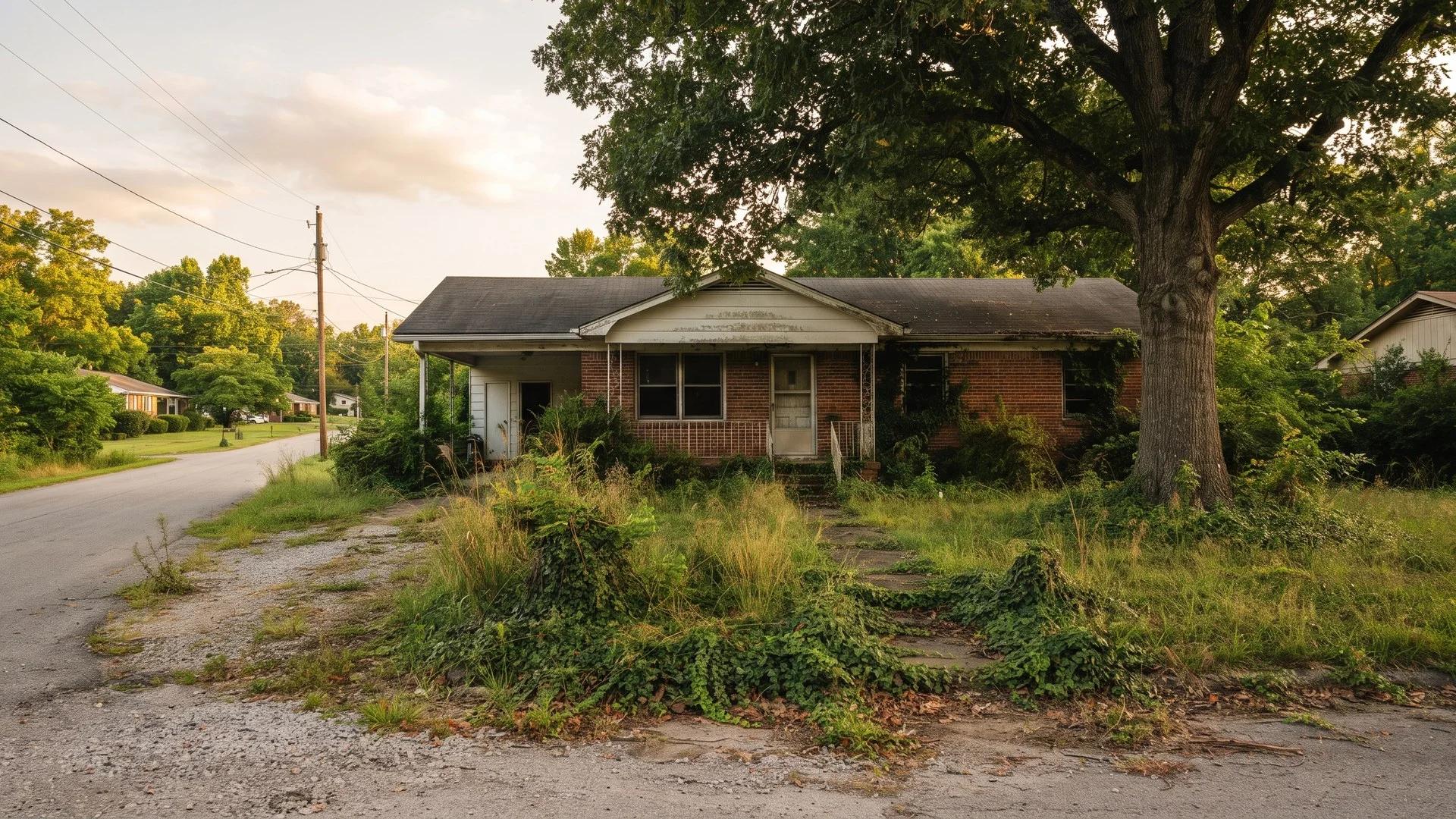
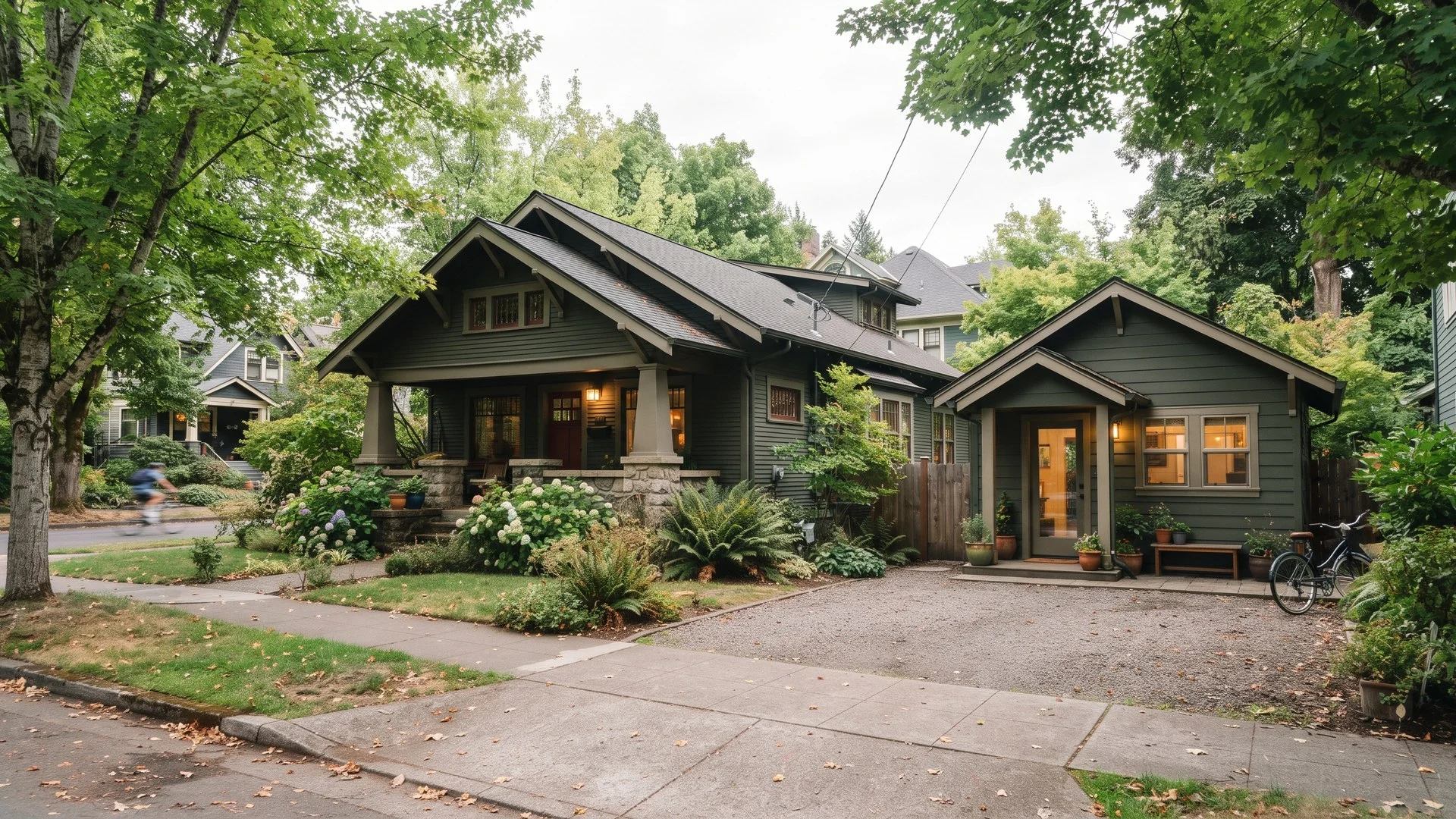
In Oregon, every city with more than 2,500 people and every county with more than 15,000 must allow at least one accessory dwelling unit (ADU) with each detached house in areas inside the urban growth boundary zoned for single-unit homes (ORS 197A.425). The city can set reasonable siting and design rules, but it cannot require the owner to live on the property or to add off-street parking.
Where does Oregon law guarantee an accessory dwelling unit?
Oregon's guarantee applies inside urban growth boundaries, in areas zoned for detached single-unit homes, in a city with a population over 2,500 or a county with a population over 15,000 (ORS 197A.425(1)(a)). There, the local government must allow at least one ADU for each detached house.
| Question | Oregon rule | Source |
|---|---|---|
| What counts as an ADU? | An interior, attached or detached residential structure used with, or accessory to, a single-unit dwelling. | ORS 197A.425(1)(b)(A) |
| How many? | At least one per detached single-unit dwelling; a city may allow more. | ORS 197A.425(1)(a) |
| Owner must live on site? | Cannot be required for the house or the ADU. | ORS 197A.425(1)(b)(B) |
| Extra parking? | Cannot be required. | ORS 197A.425(1)(b)(B) |
| Siting and design rules? | Allowed if reasonable: setbacks, height, size and similar standards set locally. | ORS 197A.425(1)(a) |
Size limits, setbacks and height still come from your city or county code, so read it before you draw plans. Those local rules must stay reasonable; a rule that works as a backdoor ban falls outside what the statute lets a city impose.
Can a city require owner occupancy or parking for an Oregon ADU?
No. Oregon law says reasonable local siting and design rules do not include owner-occupancy requirements on either the house or the ADU, or a requirement to build more off-street parking (ORS 197A.425(1)(b)(B)). That lets an owner rent both the main house and the ADU, or sell the property to an investor who does.
There is one carve-out. A city may still require owner occupancy or off-street parking for a vacation occupancy, meaning a short-term rental, as defined in ORS 90.100 (ORS 197A.425(2)). So a long-term rental ADU is protected, but an ADU used as a short-term rental can face those conditions.
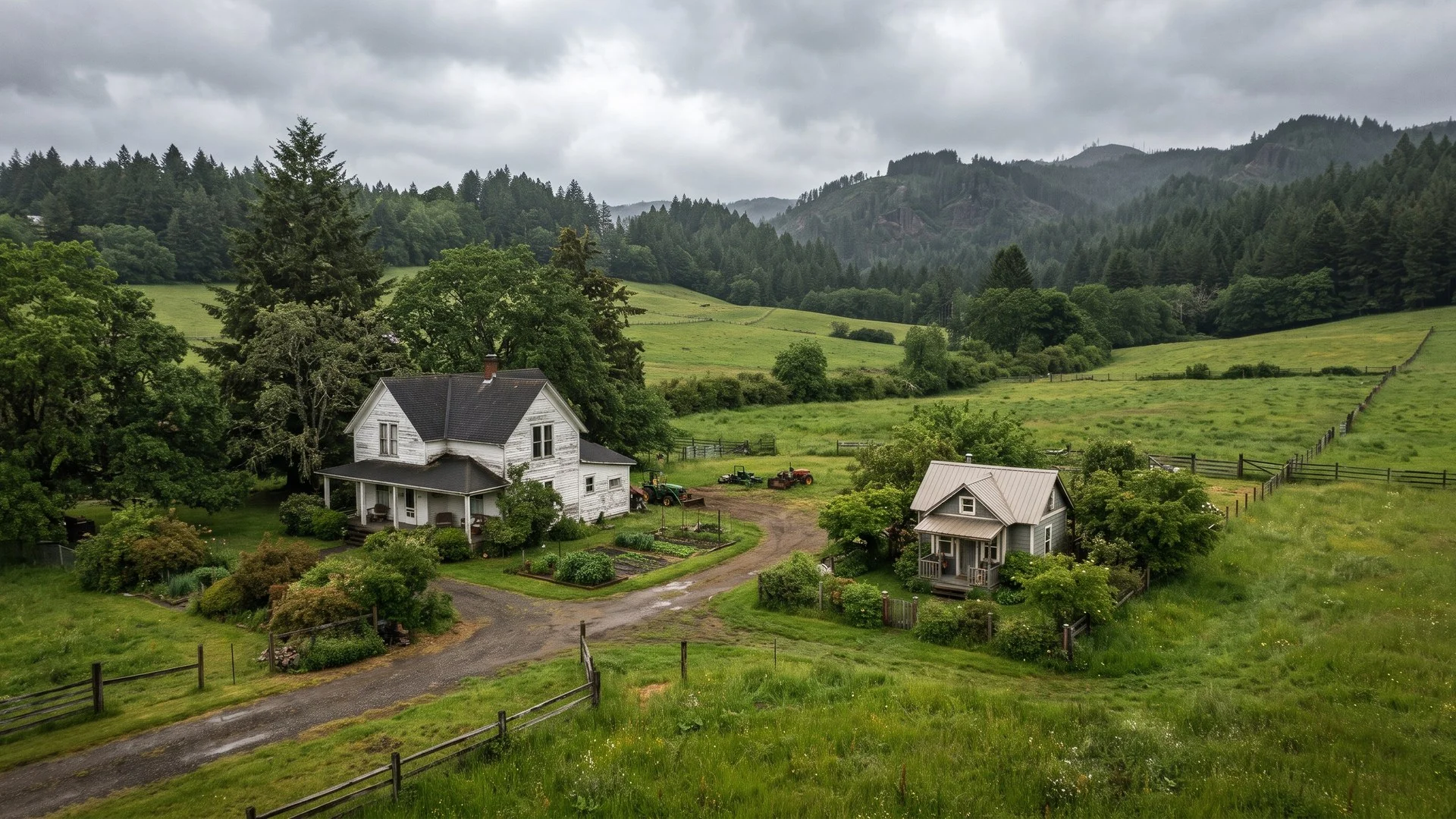
Can you build an ADU on rural land in Oregon?
Only if your county chooses to allow it. Outside urban growth boundaries, Oregon lets a county permit one ADU on a lot zoned for rural residential use, but nothing requires a county to do so (ORS 215.495). Where a county opts in, the state conditions include:
- the lot is at least 2 acres and has one single-unit dwelling on it (ORS 215.495(2)(b)-(c));
- the ADU has no more than 900 square feet of usable floor area and sits no more than 100 feet from the house (ORS 215.495(2)(f)-(g));
- the lot is outside an urban reserve and is served by a qualifying fire protection provider (ORS 215.495(2)(a), (j));
- the ADU cannot be used for vacation occupancy, and the lot cannot be divided to separate the ADU from the house (ORS 215.495(3)-(4)).
A separate rule lets a county allow the owner of a historic home built between 1850 and 1945, on a rural residential lot of at least 2 acres, to build a new house and convert the historic home into the ADU (ORS 215.501).
Can you rent out an ADU in Oregon, and does rent control apply?
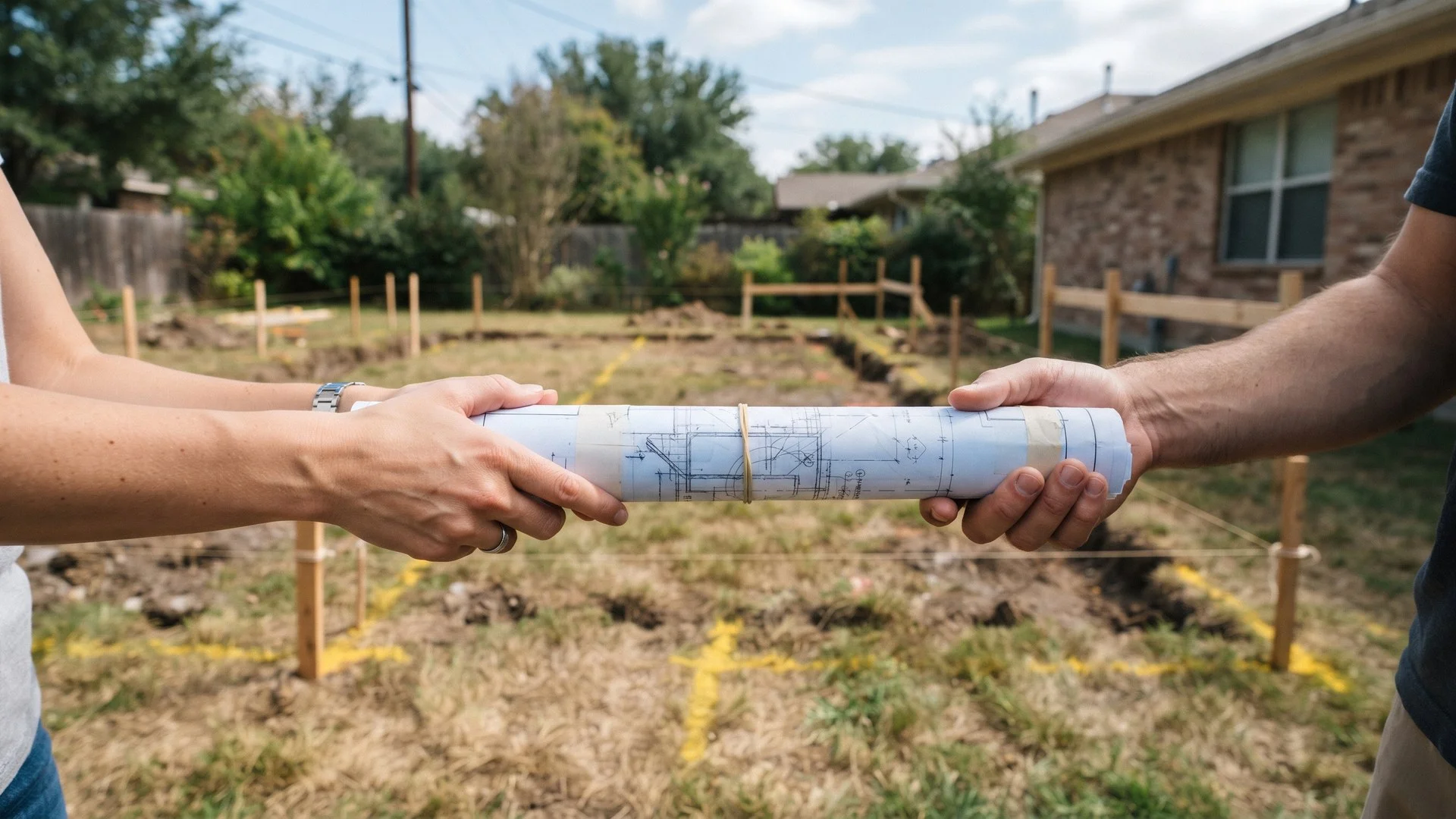
Yes. A long-term ADU rental is a dwelling unit under the Oregon Residential Landlord and Tenant Act in ORS Chapter 90, with the same notice, deposit and repair rules as any other rental. Oregon's statewide cap limits most rent increases to the lesser of 10% or 7% plus inflation each year (ORS 90.323 and 90.324), but a new ADU is usually exempt for its first 15 years.
| Rent rule | Applies to a new ADU? | Source |
|---|---|---|
| Annual cap: lesser of 10% or 7% plus CPI | No, while the first certificate of occupancy is less than 15 years old | ORS 90.323(2)(d), (5)(a); ORS 90.324(1)(b) |
| No increase in the first year of the tenancy | Yes | ORS 90.323(2)(a) |
| 90 days' written notice of an increase | Yes | ORS 90.323(2)(b) |
| No more than one increase in 12 months | Yes | ORS 90.323(2)(c) |
The state publishes each year's cap by September 30 for the following calendar year (ORS 90.324(2)). Rental income from an ADU is reported like any other rental; IRS Publication 527 covers expenses and depreciation, and if you live in the main house, the rules for renting part of your property apply.
What about ADUs alongside middle housing in Oregon?
Cities required to allow middle housing must also let a lot keep an existing house plus one ADU while new middle housing units are added (ORS 197A.420(4)(a)). The city can apply its siting and design standards to the new units only, not to the existing house and ADU (ORS 197A.420(4)(b)).
What steps should an Oregon owner take before building an ADU?
- Confirm the lot is inside an urban growth boundary and zoned for detached single-unit homes, or check whether your county allows rural ADUs.
- Read your city or county ADU code for size, height and setback limits.
- Decide on long-term or short-term rental use, and check local short-term rental rules if needed.
- Apply for permits and keep the certificate of occupancy for your rental records.
- Use a written lease that follows ORS Chapter 90, and see our guide for Canadians who own a US rental if you live outside the US.
If a tenant uses a voucher, our guide to the Housing Choice Voucher program for landlords explains the inspection and contract steps.
Frequently asked questions
Do I have to live on the property to have an ADU in Oregon?
No, for long-term use inside an urban growth boundary. Oregon law bars cities and counties from requiring owner occupancy of the house or the ADU, though owner occupancy can be required for a short-term rental.
How big can an ADU be in Oregon?
Inside urban growth boundaries, size limits come from your city or county code. On rural residential land, a county-approved ADU can have no more than 900 square feet of usable floor area.
Can I have more than one ADU in Oregon?
State law guarantees at least one per detached house inside urban growth boundaries, and a city may allow more. On rural land, a county cannot approve a second ADU on the same lot under ORS 215.495.
Is an Oregon ADU subject to rent control?
Not to the annual percentage cap while its first certificate of occupancy is less than 15 years old. The first-year freeze, the 90-day notice and the once-a-year limit still apply.
Can I sell an Oregon ADU separately?
Not on rural land approved under ORS 215.495, which bars dividing the lot so the house and ADU sit on separate parcels. Inside cities, separation depends on local land division rules.
Oregon makes an ADU a right on most urban single-house lots, with local control limited to reasonable siting and design. For a landlord, the key points are no owner-occupancy rule for long-term rentals and a 15-year break from the state rent cap on new construction.
More guides for US landlords
Leases, deposits and rent rules, state by state.
Free • No signup required