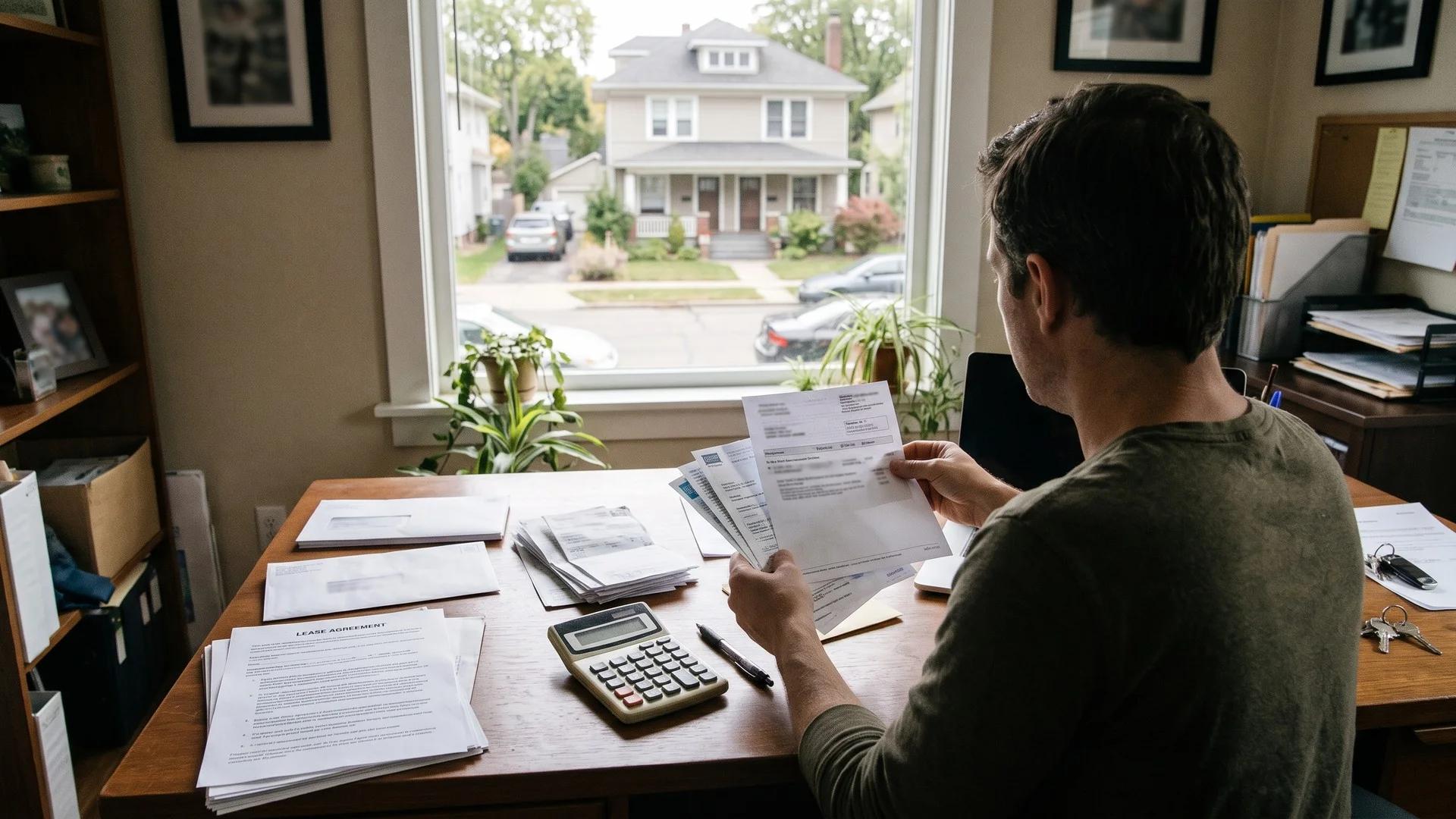
Who pays utilities in a Saskatchewan rental is a question the lease answers, not the statute. The Residential Tenancies Act, 2006 requires every written tenancy agreement to include a provision identifying whether the landlord or the tenant is to pay for utilities (s.19(1)(g)(vi)), and a provision listing the services and facilities included in the rent (s.19(1)(g)(vii)). What the Act does control is what happens after that choice is made.
At a glance: utilities in Saskatchewan tenancies
- Who pays: whatever the written lease says (s.19(1)(g)(vi)).
- Included utilities: a "service or facility" (s.2(o)(ii)).
- Removing one: needs the tenant's agreement or an ORT order (s.43(1)).
- New charge for something free: same rule (s.43(2)).
- Unpaid utilities: can be treated as unpaid rent 15 days after a written demand, if the lease makes the tenant pay them (s.57(5)).
Does Saskatchewan law say who has to pay for heat, power or water?
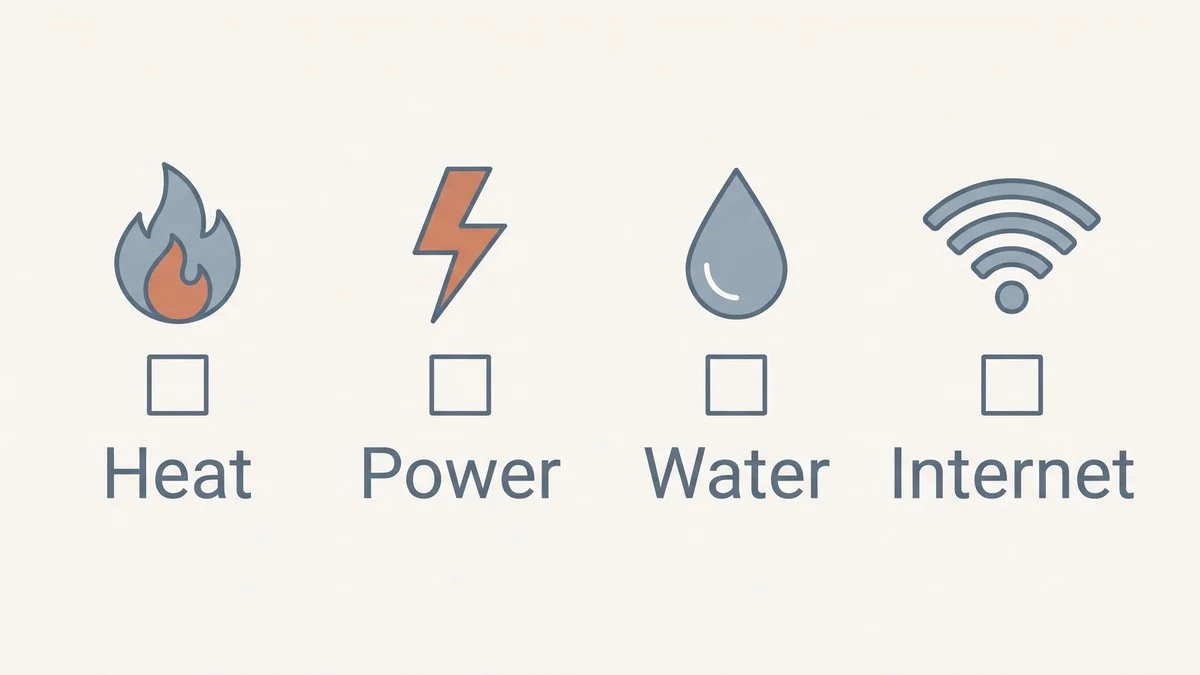
No. There is no default rule giving any utility to the landlord or the tenant. The parties choose, and the lease records it. That is why the clause matters: if it is vague ("tenant pays some utilities"), a dispute over a $300 power bill becomes a dispute over what the contract meant. Name each one: heat, electricity, water and sewer, natural gas, internet. Our overview of what every Saskatchewan lease must include lists the other mandatory terms.
Can a landlord stop including a utility partway through the tenancy?
Not on their own. Utilities supplied by the landlord are a service or facility, and a landlord must not terminate or restrict one without an ORT order or the tenant's agreement (s.43(1)). A hearing officer who allows it can reduce the rent or order other compensation (s.43(3)).
Can a landlord start billing for a utility that used to be included?

Only with the tenant's agreement or an ORT order. Section 43(2) bars a landlord from imposing a charge for a service or facility the tenant gets at no cost, or increasing an existing charge, without one or the other. A new monthly "utility fee" added to a lease where heat was included falls squarely in that rule. Rent itself has its own notice rules, set out in Saskatchewan's rent increase rules.
What happens if a tenant doesn't pay utilities they owe?
When the lease requires the tenant to pay utility charges, to the landlord or to the utility provider, and those charges stay unpaid for 15 days or more after the landlord gives a written demand, the landlord may treat them as unpaid rent and give notice under s.57 (s.57(5); Regulations, Schedule 1, s.17(2)). That opens the same path as rent arrears, explained in late rent and the 15-day clock.
Frequently asked questions
Is internet a utility for these rules?
"Service or facility" separately covers television, radio and electronic data facilities (s.2(o)(v)), so an included internet connection is protected by s.43 either way.
My lease is oral. Who pays?
Whatever you actually agreed, which is harder to prove. The landlord must still give an oral tenant certain information in writing within 20 days (s.19(3)); ask for the utility arrangement in writing at the same time.
Can the landlord put the bill in my name without asking?
If utilities were included, moving one onto the tenant is a new charge for a service that was free, which needs agreement or an order (s.43(2)).
Clear utility terms prevent most of these arguments before they start, for both sides.
Spell out the utilities in your lease
Fill out the Saskatchewan residential tenancy agreement online and download the PDF.
Free, no account required.