Yes, a BC tenant can agree to a rent increase above the annual limit (2.2% for 2027), but only in a signed, dated written agreement that states the increase in percent and dollars. The landlord must still serve a Notice of Rent Increase three full months ahead, and the 12-month gap between increases still applies.
What makes an agreed rent increase valid in BC?
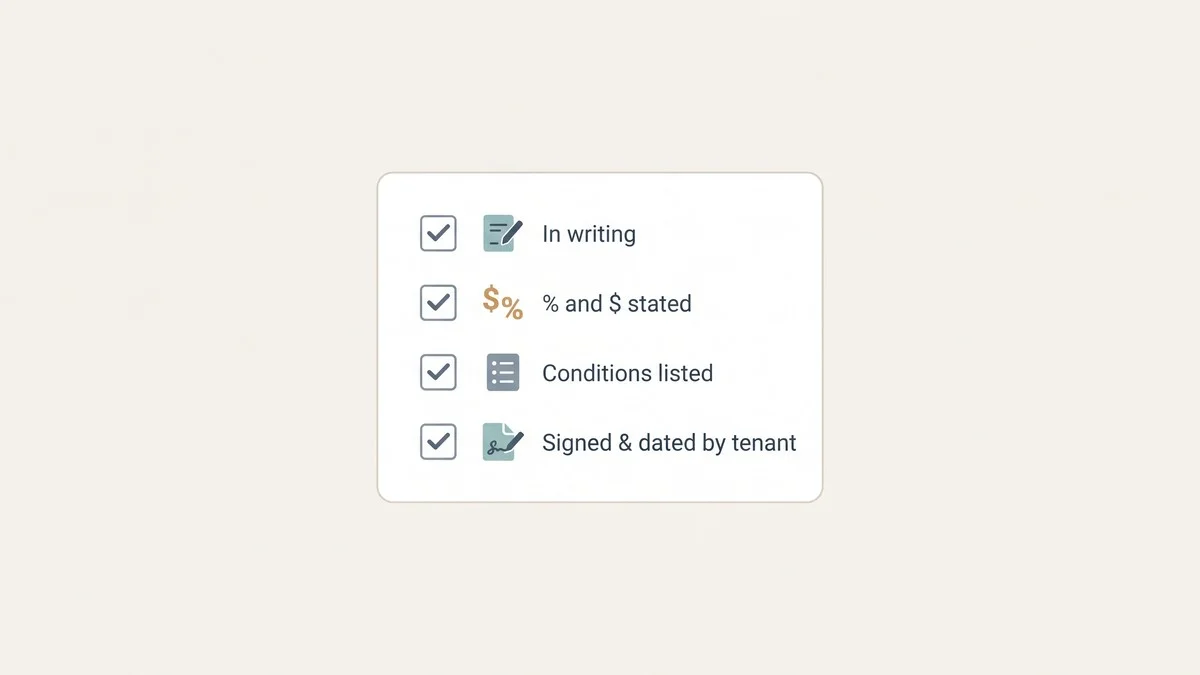
Section 43(1)(c) of the Residential Tenancy Act allows an increase "agreed to by the tenant in writing". RTB Policy Guideline 37B says the agreement must:
- be in writing;
- state the increase clearly, for example as a percentage and a dollar amount;
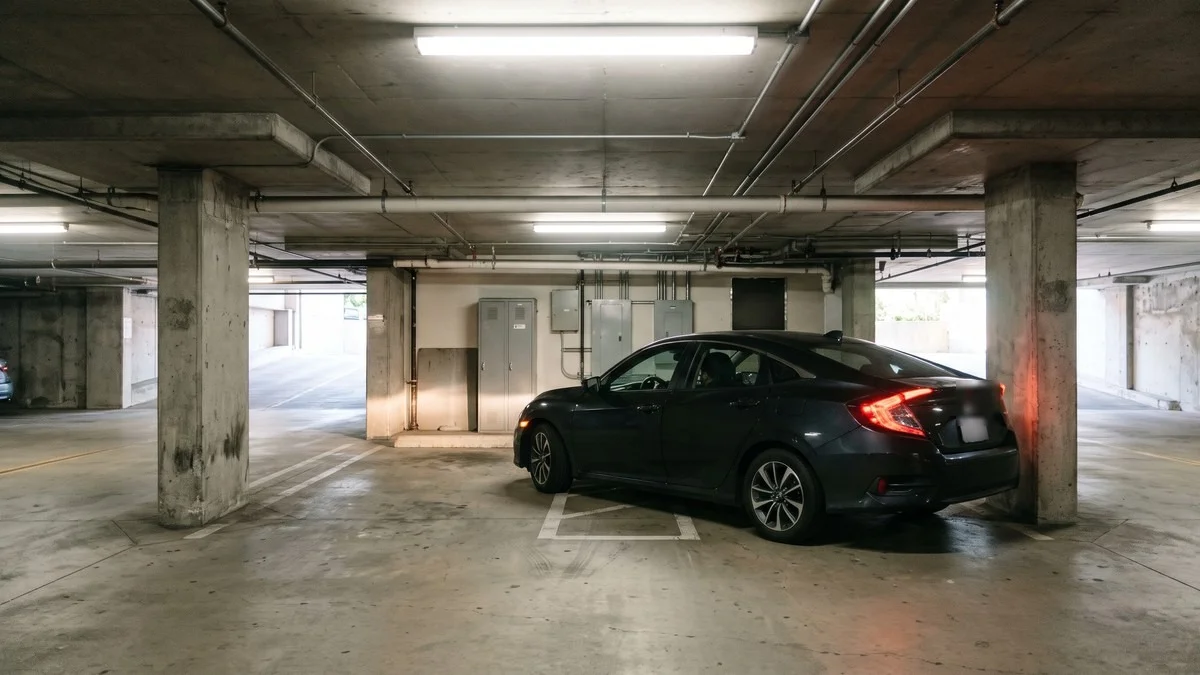
- set out any conditions attached to it, such as a new parking stall or appliance;
- be signed by the tenant; and
- show the date the tenant signed.
A verbal "yes", or simply paying a higher amount, does not meet that test.
How to put an agreed increase into effect
- Write the agreement with the current rent, the new rent, the percentage, the effective date and any conditions, and have the tenant sign and date it.
- Fill in the Notice of Rent Increase (RTB-7) with the agreed amount.
- Attach a copy of the signed agreement to the notice, as Guideline 37B recommends.
- Serve it at least three full months before the effective date, and no sooner than 12 months after the last increase took effect (RTA s.42).
- Keep both documents in the tenancy file in case the increase is disputed.
Frequently asked questions
Can a landlord and tenant agree to a second increase mid-year?
No. Policy Guideline 37 says the parties cannot mutually agree to a rent increase six months after an annual increase took effect, and the RTB can't change the timing rules. An agreed increase uses the same 12-month window as the annual one.
Does the landlord still need to serve RTB-7 if the tenant has signed?
Yes. Guideline 37B requires a Notice of Rent Increase three full months before the increase takes effect, with the signed agreement attached. If the notice is late, the increase takes effect on the earliest date that complies (s.42(4)).
Can a lease clause build in yearly increases above the limit?
Guideline 37B warns that a tenancy agreement term imposing an ongoing increase substantially above the annual amount, without compelling circumstances, may be unconscionable or unlawful.
Can a tenant dispute an increase they agreed to?
Yes, if the timing or notice rules weren't followed or the agreement's conditions weren't met. A tenant who paid a non-compliant increase can deduct it from rent or otherwise recover it (s.43(5)). See disputing a BC rent increase.
Is an agreed increase the same as an additional rent increase?
No. An additional increase is ordered by the RTB on a landlord's application for capital work or rising expenses; an agreed increase needs only the tenant's written consent. Both differ from the 2027 annual limit a landlord can apply without asking.
Serve the notice that goes with the agreement
Fill in BC's Notice of Rent Increase (RTB-7) online.
Free • No signup required