Squatters in Alberta can no longer gain title to land by adverse possession: the Property Rights Statutes Amendment Act, 2022 removed the 10-year limitation period for recovering land and the adverse possession defence. A person who trespasses on premises after notice not to commits an offence with fines up to $10,000 for a first offence. But a person the landlord permitted to occupy is a tenant under the Residential Tenancies Act, and only a court or the RTDRS can end that.
Did Alberta abolish adverse possession?
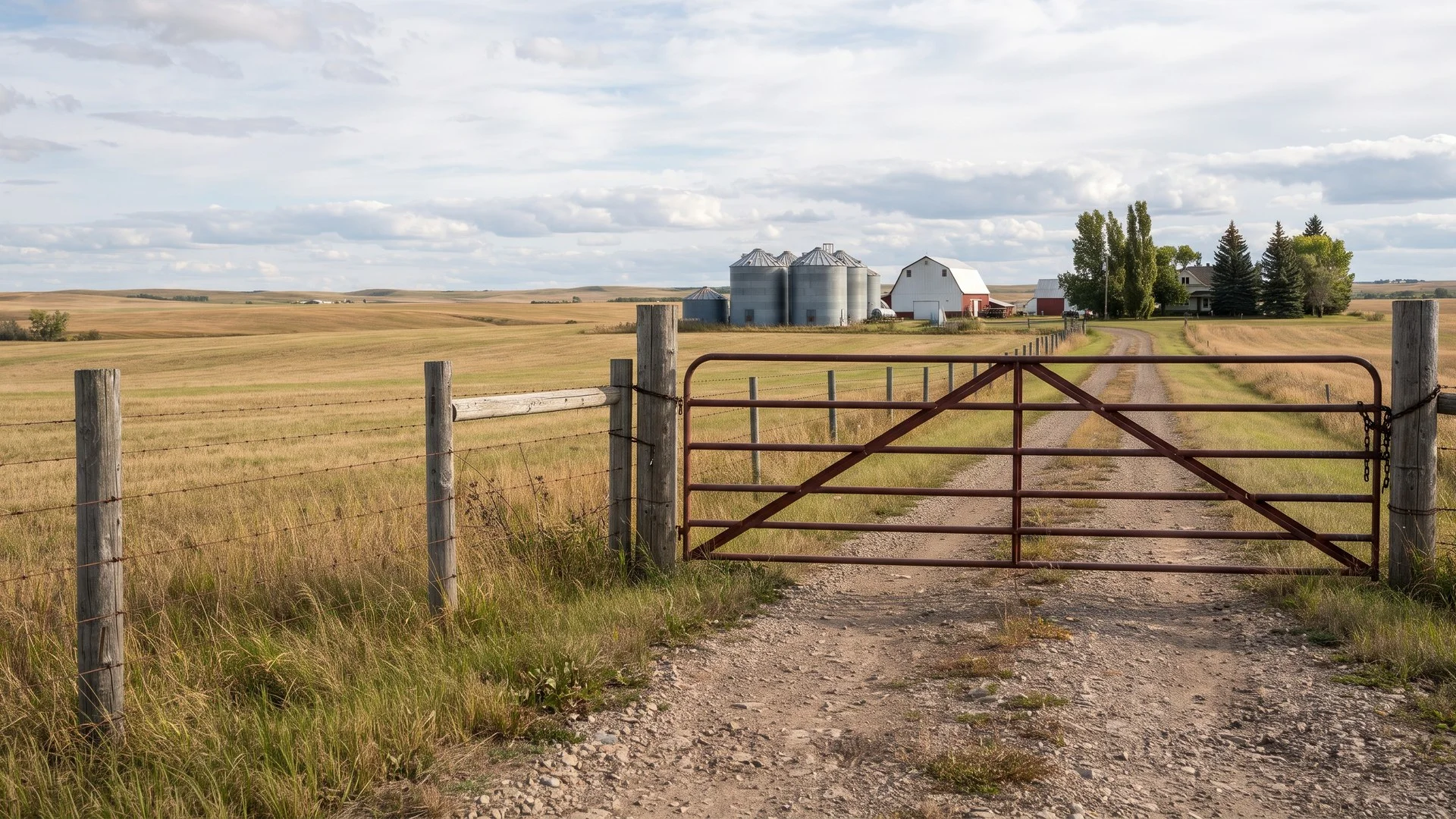
Yes. Alberta's Limitations Act now says that, notwithstanding any other provision of the Act, there is no limitation period for a claim to recover possession of real property, and a defendant does not have a defence based on adverse possession (Limitations Act s.3.2(1)). The section was added by the Property Rights Statutes Amendment Act, 2022 (SA 2022 c23), and appears in the King's Printer consolidation current as of December 15, 2022.
The same Act amended the Land Titles Act. Claims to quiet title already decided under the former rule stand, and claims started before the amendment and not finished may proceed as if the 10-year limitation period were still in force (Land Titles Act s.74.1; Limitations Act s.3.2(2)). For anyone squatting now, there is no clock running toward ownership.
Is a squatter a tenant in Alberta?
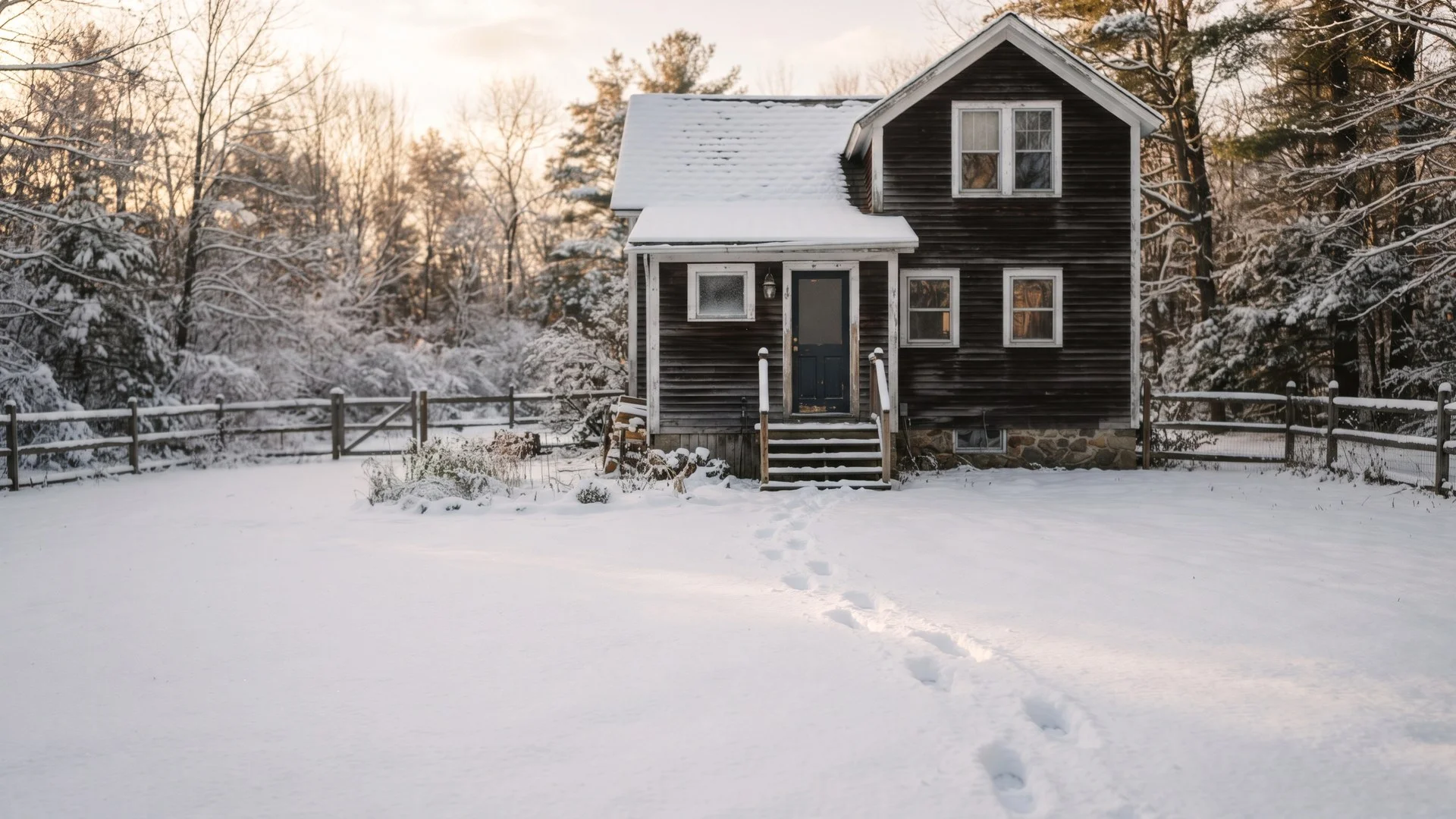
Only if the landlord permitted them to occupy. Under Alberta's Residential Tenancies Act, a "tenant" is a person permitted by the landlord to occupy residential premises under a residential tenancy agreement, or under an assignment or sublease the landlord consented to (RTA s.1(1)(t)), and a residential tenancy agreement can be written, oral or implied (s.1(1)(m)).
That means a person who simply moved into an empty house is not a tenant. But a person who paid an owner or manager to stay, even with nothing in writing, may be. Our guide to roommates and co-tenants in Alberta covers who is and is not on the tenancy.
What if the tenant left and someone else is living there?

Alberta has a specific rule for this. If the tenant has abandoned the premises, the landlord may require a person living there who is not a tenant to leave by serving a written notice to vacate giving at least 48 hours (RTA s.33(1)-(3)). If the person does not leave by the stated time, the landlord may apply to a court for an order ending the abandoned tenancy and for recovery of possession, supported by an affidavit (s.33(4)-(5)).
An order for recovery of possession says a civil enforcement agency has authority to evict any occupant (s.34), and the agency may evict only in accordance with that order and after it has been served and an affidavit of service filed (s.34.1). See eviction day in Alberta for what that looks like.
What do Alberta's trespass laws say about squatters?
Two Acts cover trespass. The Trespass to Premises Act covers buildings and structures and the land used with them: no person shall trespass on premises after notice not to trespass, given orally, in writing, or by signs at each normal entrance (Trespass to Premises Act s.2). A person who gets permission to enter by false pretences is deemed to have trespassed (s.2(4)).
The penalties, whether or not damage is caused, are (s.3(1)):
| Offender | Maximum penalty |
|---|---|
| Individual, first offence | $10,000 fine, up to 6 months' imprisonment, or both |
| Individual, 2nd or later offence on the same premises | $25,000 fine, up to 6 months' imprisonment, or both |
| Corporation | $200,000 fine |
The Petty Trespass Act covers land and makes it an offence to fail to leave land immediately after being directed to by the owner or occupier, with the same $10,000 and $25,000 maximums for individuals (Petty Trespass Act s.2).
Can an Alberta landlord change the locks on a squatter?
Not on a tenant. Neither a tenant nor a landlord may add or change locks on doors giving access to the residential premises without the other's consent, unless the landlord makes a key available to the tenant as soon as the change is made (RTA s.24). Removing a tenant goes through the RTDRS or the Court of King's Bench and a civil enforcement agency. Our article on illegal eviction myths in Alberta covers lockouts and utility cut-offs.
Squatters in an Alberta rental: what to do first
Which route applies depends on one question: did you, your manager or a tenant you approved ever let this person in? Work through it in this order.
- Find out how they got in. Ask your property manager and check rent records. Money paid to you or your agent for a place to stay can make an oral or implied tenancy agreement (RTA s.1(1)(m)).
- If you never gave permission, tell them in writing, or orally, that they must not be on the premises, and post signs at each normal entrance. Staying after that notice is an offence under the Trespass to Premises Act, and you can report it to police.
- If your tenant abandoned the unit and left someone behind, serve the 48-hour written notice to vacate under RTA s.33, then apply to court if they stay.
- If the person is a tenant, end the tenancy the way the RTA requires and use the RTDRS or the court. Do not change the locks (s.24).
Frequently asked questions
Do squatters have rights in Alberta?
A person with no permission to occupy has no right to stay, and trespassing on premises after notice is an offence (Trespass to Premises Act s.2-3). A person the landlord permitted to occupy is a tenant under the RTA.
Can a squatter take my land after 10 years in Alberta?
No. Since the 2022 amendments there is no limitation period for recovering possession of real property and no adverse possession defence (Limitations Act s.3.2).
How fast can I remove a non-tenant after my tenant abandons?
Serve a written notice to vacate giving at least 48 hours (RTA s.33). If they stay, apply to court for recovery of possession.
What is the fine for trespassing in Alberta?
Up to $10,000 and six months for an individual's first offence, $25,000 for a repeat on the same premises, and $200,000 for a corporation (Trespass to Premises Act s.3).
Alberta has closed the door on squatters acquiring land. What remains is process: trespass law for people who never had permission, the 48-hour notice when a tenant has abandoned, and the RTA for everyone the landlord let in.
Alberta landlord forms in one place
Notices and tenancy forms, filled in online.
Free • No signup required