When a tenant is always late paying rent in Saskatchewan but always pays before arrears reach the 15-day mark, the immediate notice for unpaid rent is not available. The Residential Tenancies Act, 2006 gives landlords a different tool: a tenant who "is repeatedly late paying rent" can be given a notice to end the tenancy for cause (s.58(1)(b)). It is slower and it can be disputed, so the paperwork decides the outcome.
At a glance: repeated late rent
- Ground: repeatedly late paying rent (s.58(1)(b)).
- First: a reasonable chance to remedy (s.58(2)).
- Notice period: at least one month, ending the day before a rent day (s.58(3)).
- Dispute: tenant has 15 days, in writing (s.58(5)).
- Proof: on the landlord if disputed (s.67(2)).
How many late payments count as "repeatedly"?
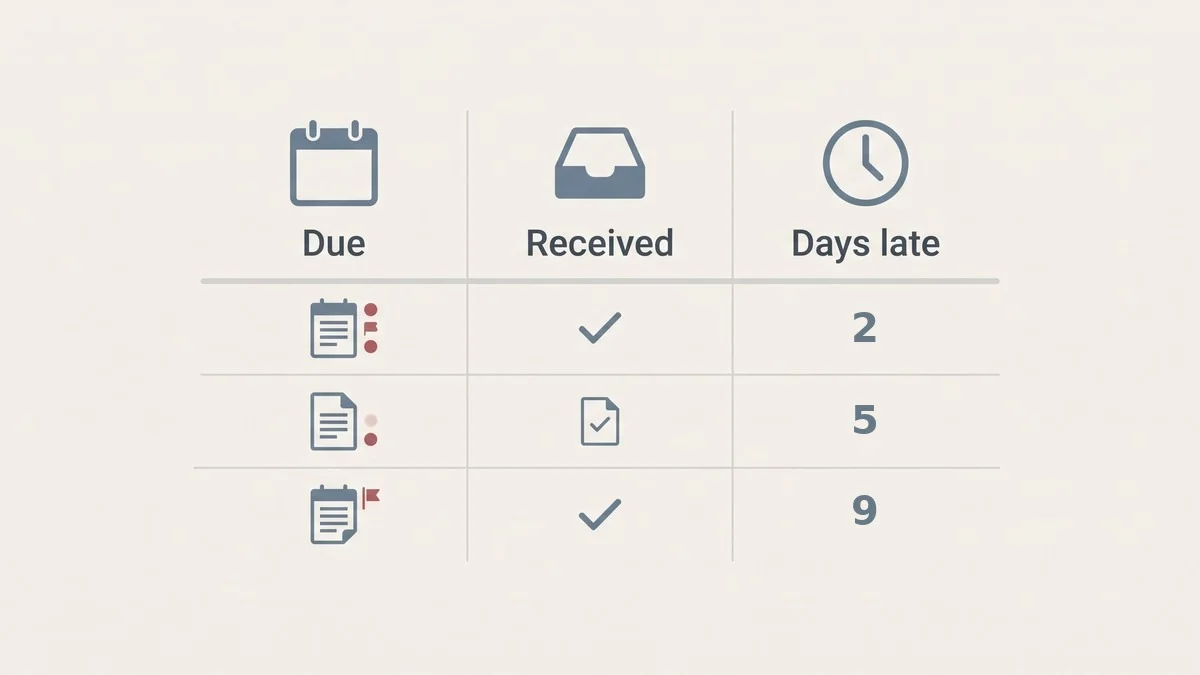
The Act does not set a number. A hearing officer decides on the evidence in front of them. A conservative approach is not to serve on the strength of two or three slips, and to be able to show a clear pattern across several months, after a written warning, with dates.
Do I have to warn the tenant first?

Yes, where the problem can be fixed. Before ending a tenancy on this ground, a landlord must give the tenant a reasonable period to remedy it (s.58(2)). Lateness is usually something a tenant can fix, so send a dated letter or email listing the late months and stating that further late payments may lead to a notice to vacate. Then keep tracking.
How does the notice work?
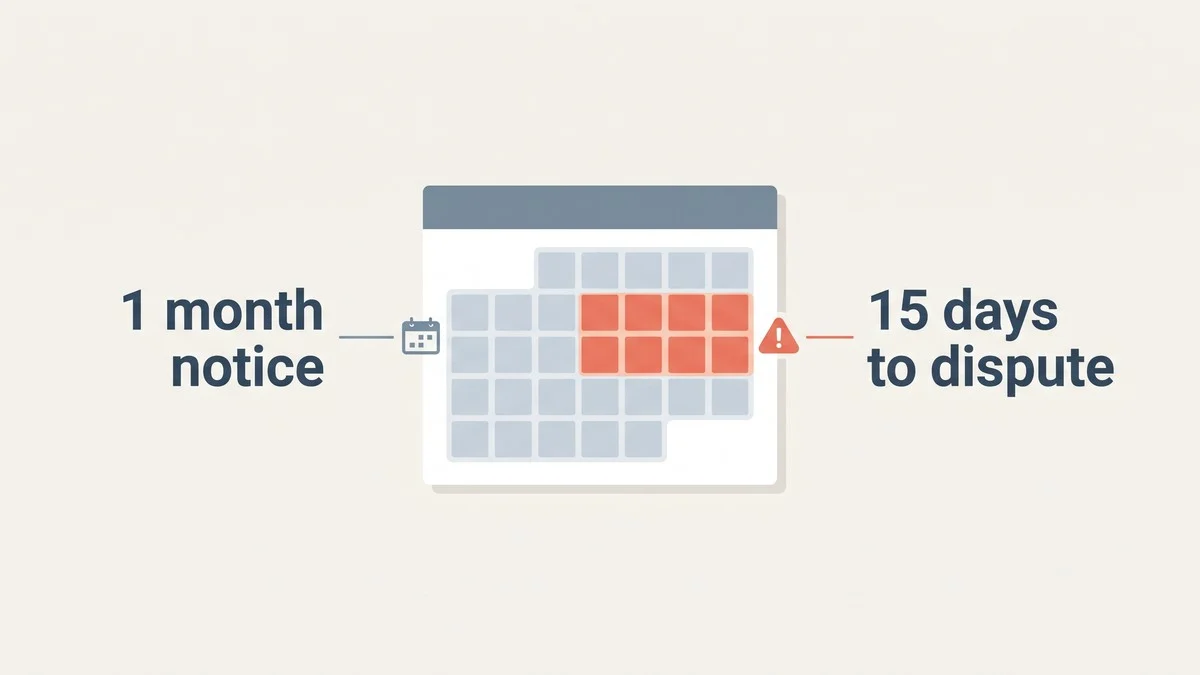
Use the ORT's Evictions Requiring Notice of One Calendar Month (formerly Form 8). Its effective date must be at least one month after the tenant receives it and fall on the day before rent is due (s.58(3)); a date that is too early is deemed changed to the earliest correct one (s.64(2)). Serve it in a way the Act allows (s.82). The full ground list and dispute rules are in our guide to every Saskatchewan notice to vacate.
What if the tenant disputes it?
A tenant who disagrees has 15 days after receiving the notice to tell the landlord in writing (s.58(5)). If they do not, they are deemed to accept the end date and must move by then (s.58(6)). If they do, the landlord may apply to the ORT, and the onus is on the landlord to show the tenancy should end (s.67(2)). If the tenant overholds, the process continues through an order of possession and the sheriff, covered in how a writ of possession is enforced.
Frequently asked questions
Does taking the late rent cancel my notice?
No. Accepting money after a notice does not waive it or reinstate the tenancy unless both sides agree otherwise in writing (s.60.1).
Can I charge a late fee instead?
Only if it is in the written agreement, and a term that is inconsistent with the Act, unconscionable or unclear is not enforceable (s.7(2)).
What if the rent is actually unpaid?
That is the s.57 path, explained in late rent and the 15-day clock.
Can the tenant appeal an order on this ground?
Yes, on a question of law or jurisdiction, but for a writ order on this ground the tenant must first obtain a certificate of payment of rent by paying one month's rent to the ORT (s.72(1.3); ORT Rules of Procedure, Part 7).
Ready to serve a notice for cause?
Fill out the Saskatchewan one-month notice to vacate online and download the PDF.
Free, no account required.