An abandoned rental unit in Ontario is handled in two stages: the landlord either gets a Landlord and Tenant Board (LTB) order ending the tenancy or gives notice to the tenant and the LTB, then waits 30 days before selling or disposing of the belongings (Residential Tenancies Act, 2006, s.42). A unit is never abandoned while the rent is paid up (RTA s.2(3)).
A silent tenant and a quiet unit are not proof of anything. Treat the unit as still rented until the law says otherwise, because re-entering and clearing a unit that was not abandoned can be an unlawful recovery of possession, which is an offence under RTA s.234(w).
Ontario Abandoned Unit: Landlord Checklist
A one-page checklist for an abandoned rental unit in Ontario: confirming arrears, the LTB order or s.42 notice, the 30-day wait for belongings and the six-month proceeds claim.
Get Free PDF →What you'll need
- The rent ledger showing the arrears. Under RTA s.2(3), a tenant who is not in arrears of rent has not abandoned the unit.
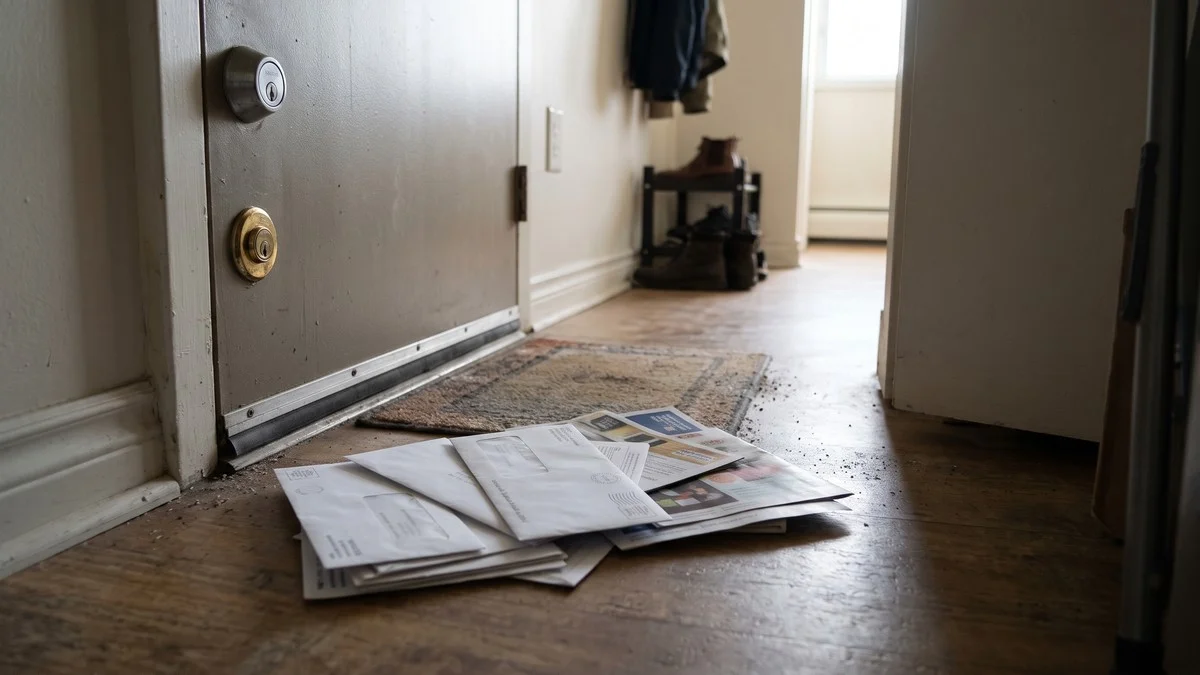
- Evidence the tenant has left: unanswered messages, mail piling up, utility shut-off notices, keys returned without a note.
- The tenant's last known contact details and any emergency contact on the application.
- The L2 application if you take the order route. Its instructions list "I believe the tenant abandoned the rental unit" as Reason 2 and say the tenant must also be in arrears (LTB forms). Our L2 form page explains what it covers.
How does a landlord deal with an abandoned unit in Ontario, step by step?
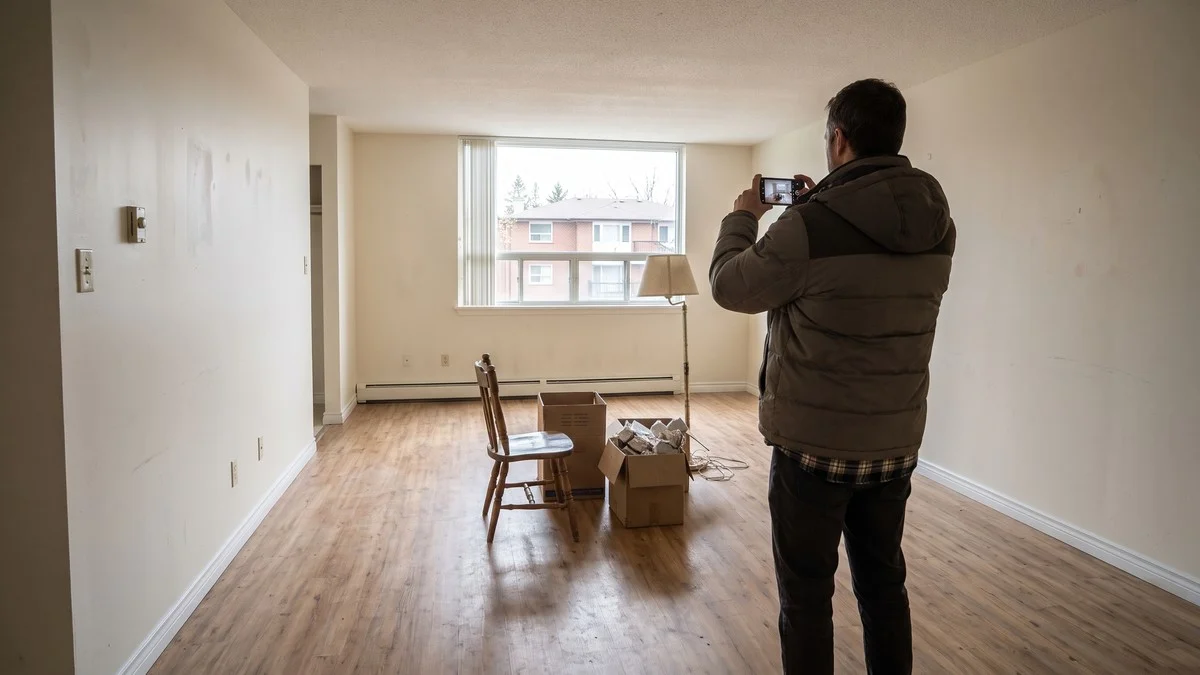
An Ontario landlord confirms the arrears, chooses either an LTB order under section 79 or a notice under section 42(1)(b), and then follows the 30-day timeline for the belongings.
- Check the arrears. If the rent is paid, stop: the unit is not abandoned, whatever it looks like (RTA s.2(3)).
- Try to reach the tenant by every channel you have, and keep copies. A tenant who replies and says they are coming back has not abandoned the unit.
- Choose your route. Either apply to the LTB for an order terminating the tenancy because you believe the tenant abandoned the unit (RTA s.79), or give notice to the tenant and to the LTB of your intention to dispose of the property (RTA s.42(1)(b)). The L2 instructions note that no prior notice to the tenant is required before applying on the abandonment ground.
- Remove only unsafe or unhygienic items at once. If the tenant has abandoned the unit, those may be disposed of immediately (RTA s.42(2)). Photograph and list them.
- Wait 30 days after the order is obtained or the notice is given to both the tenant and the LTB. Only then may you sell, keep or otherwise dispose of the other items (RTA s.42(3)).
- Answer any claim. If the tenant tells you within those 30 days that they intend to remove the property, they may do so within the 30 days, and you must make it available at a reasonable time and at a location close to the unit (RTA s.42(4)-(5)). You may first require payment of rent arrears and your reasonable out-of-pocket costs of moving, storing or securing it (RTA s.42(6)).
- Keep sale records for six months. If the tenant claims sold property within six months after the notice was given or the order issued, you must pay them the proceeds minus your reasonable moving, storing, securing or selling costs and any rent arrears (RTA s.42(7)).
Which rules apply: abandonment, or a tenant who moved out properly?
In Ontario, section 42 applies only to an abandoned unit; when a tenant moves out under a notice, an agreement to end the tenancy or an LTB order, section 41 applies instead and the landlord may dispose of what is left without the 30-day wait (RTA s.41(1)).
| How the unit was vacated | When belongings can be disposed of | Rule |
|---|---|---|
| Abandoned, with arrears | Unsafe or unhygienic items at once; the rest 30 days after the order or notice | RTA s.42 |
| Tenant's N9 notice, an N11 agreement, or a landlord's notice | Once the unit is vacated in accordance with it | RTA s.41(1) |
| Eviction order enforced by the Sheriff | Not before 72 hours after enforcement; property available for retrieval nearby during that time | RTA s.41(2)-(3) |
For the eviction path, see After the LTB Order: The Sheriff, the Wait, and Eviction Day. For a tenant who left with proper notice, our guide to the N9 tenant's notice covers the dates.
Tips
- Date everything. The 30-day and six-month periods run from the day you obtained the order or gave notice, so keep proof of when the notice reached both the tenant and the LTB.
- Inventory before you move anything. A room-by-room photo record protects you if the tenant later disputes what was there.
Troubleshooting
The tenant reappears after you re-rented. If you followed section 42 and its timelines, the Act limits your liability to the six-month proceeds claim (RTA s.42(8)).
The tenant is paid up but gone. The unit is not abandoned (RTA s.2(3)). Keep trying to reach them.
You are owed rent. The LTB order route can include arrears. Our overview of the LTB process from notice to enforcement explains the next steps, and the Ontario Landlord Resource Center has the rest of our guides.
Frequently asked questions
When is a rental unit legally abandoned in Ontario?
The Act does not list signs of abandonment, but it says a tenant has not abandoned a unit if they are not in arrears of rent (RTA s.2(3)). The LTB decides on an application under section 79.
Can I change the locks on an abandoned unit?
Not until the tenancy has ended through an LTB order or you are relying on the section 42 notice process. Recovering possession unlawfully is an offence under RTA s.234(w).
Can I charge the tenant for storing their things?
You may require payment of rent arrears and your reasonable out-of-pocket costs of moving, storing or securing the property before letting the tenant remove it (RTA s.42(6)).
Do I have to sell the belongings?
No. After the 30 days you may sell, keep or otherwise dispose of them (RTA s.42(3)). If you sell, keep the records for six months because of the tenant's proceeds claim.
Ontario Abandoned Unit: Landlord Checklist
A one-page checklist for an abandoned rental unit in Ontario: confirming arrears, the LTB order or s.42 notice, the 30-day wait for belongings and the six-month proceeds claim.
Get Free PDF →Need the right LTB form?
Find Ontario's landlord and tenant forms, with plain-language guidance, in one place.
Free • No signup required