In Saskatchewan, a tenant must repair damage caused by their own actions or neglect, or by people they let in, but is not required to repair reasonable wear and tear (The Residential Tenancies Act, 2006, s.49(6) and (7)). A landlord who wants to keep part of the deposit must claim it within seven business days (s.32).
Disagreements about wear and tear in Saskatchewan rentals usually surface at move-out, when the deposit is on the line. The Act draws the line in two short subsections, and the Office of Residential Tenancies (ORT) decides close cases on the evidence. This guide explains where the line sits, what a landlord can and cannot charge, and how a tenant can protect the deposit before, during and after moving out. For more renter guides, visit the Saskatchewan Tenant Resource Center.
Wear and Tear vs Damage: Tenant Checklist
A one-page checklist for Saskatchewan renters: what counts as wear and tear, what you must repair, the landlord's deposit deadline and how to dispute a claim.
Get Free PDF →What does the law say about wear and tear?
Section 49 of the Act splits repair duties between landlord and tenant:
- The landlord must keep the property in a good state of repair and fit for habitation, and must repair services and facilities whether the problem comes from reasonable wear and tear or any other cause (s.49(1) and (4)).
- The tenant must keep reasonable health, cleanliness and sanitary standards throughout the unit (s.49(5)).
- The tenant must repair damage caused by the actions or neglect of the tenant or a person the tenant allowed on the property (s.49(6)).
- The tenant is not required to make repairs for reasonable wear and tear (s.49(7)).
Section 51 adds the move-out rule: when the tenancy ends, the tenant must leave the unit reasonably clean and undamaged, except for reasonable wear and tear, and return all keys.
The Act does not define "reasonable wear and tear" or list examples. In practice it means the gradual decline that comes from ordinary living over time. Damage is harm beyond that, from an accident, carelessness or misuse.
How do you tell wear and tear from damage?
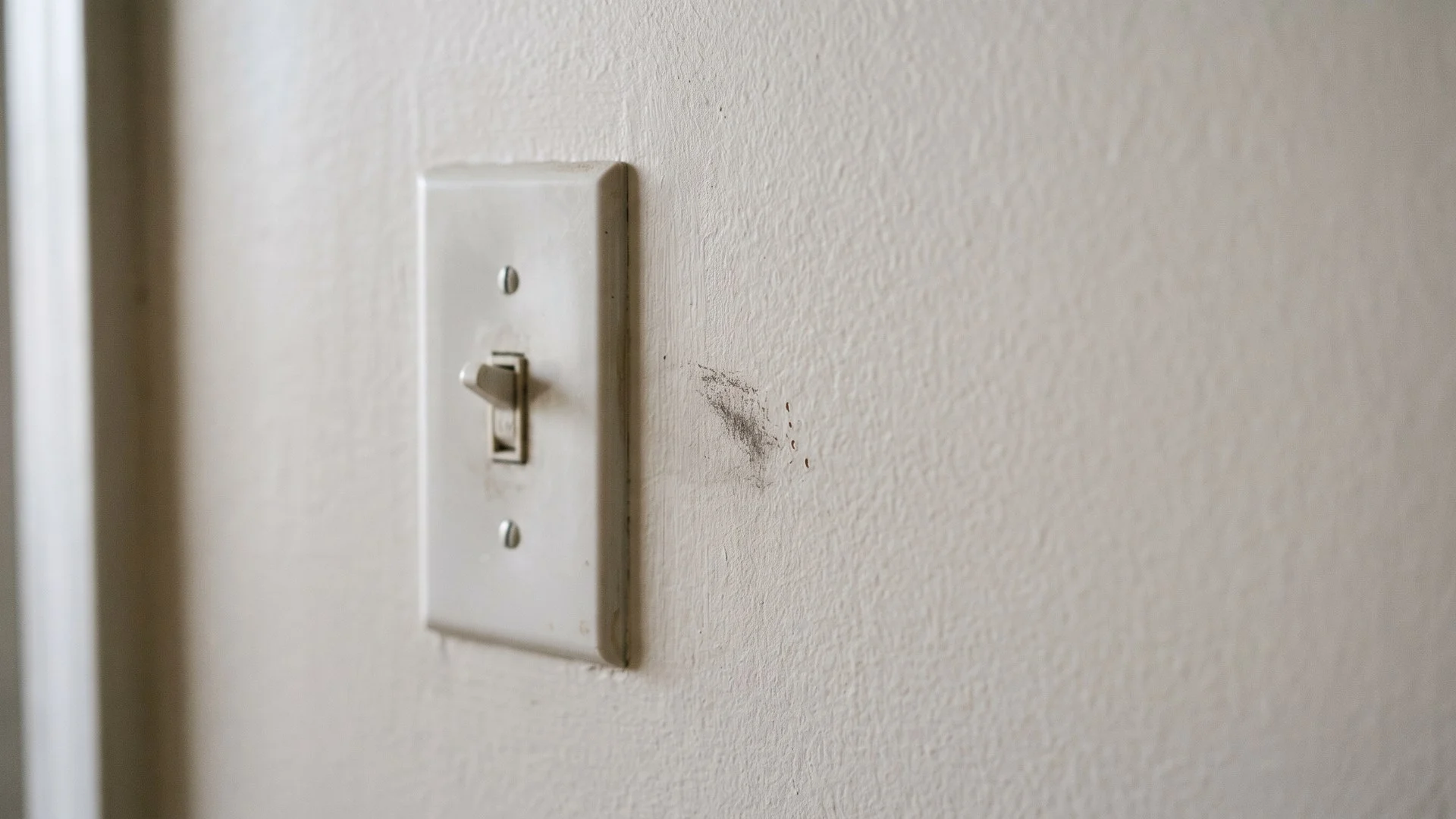
Ask two questions: would this have happened with careful, ordinary use over the length of the tenancy, and did something the tenant or a guest did, or failed to do, cause it? The examples below are common ways the line is drawn. A hearing officer decides each case on its own facts, including the age of the item and how long the tenancy lasted.
| Usually wear and tear | Usually damage |
|---|---|
| Paint faded or lightly scuffed after years of use | Large marks, crayon, or walls painted without permission |
| Carpet worn flat in walkways | Burns, pet stains, rips or large spills left to set |
| A few small nail holes from hanging pictures | Large holes, or doors and walls punched or kicked |
| Loose door handles or worn hinges | A door broken off its hinges |
| Minor wear on counters and floors | Deep cuts, chips, scorch marks or water damage from a leak the tenant ignored |
| Blinds sun-faded | Blinds bent or snapped |
Neglect counts. If a tenant saw a slow leak under the sink and never reported it, the resulting damage may fall under s.49(6) even though nobody broke anything on purpose.
What can a landlord claim from the deposit?
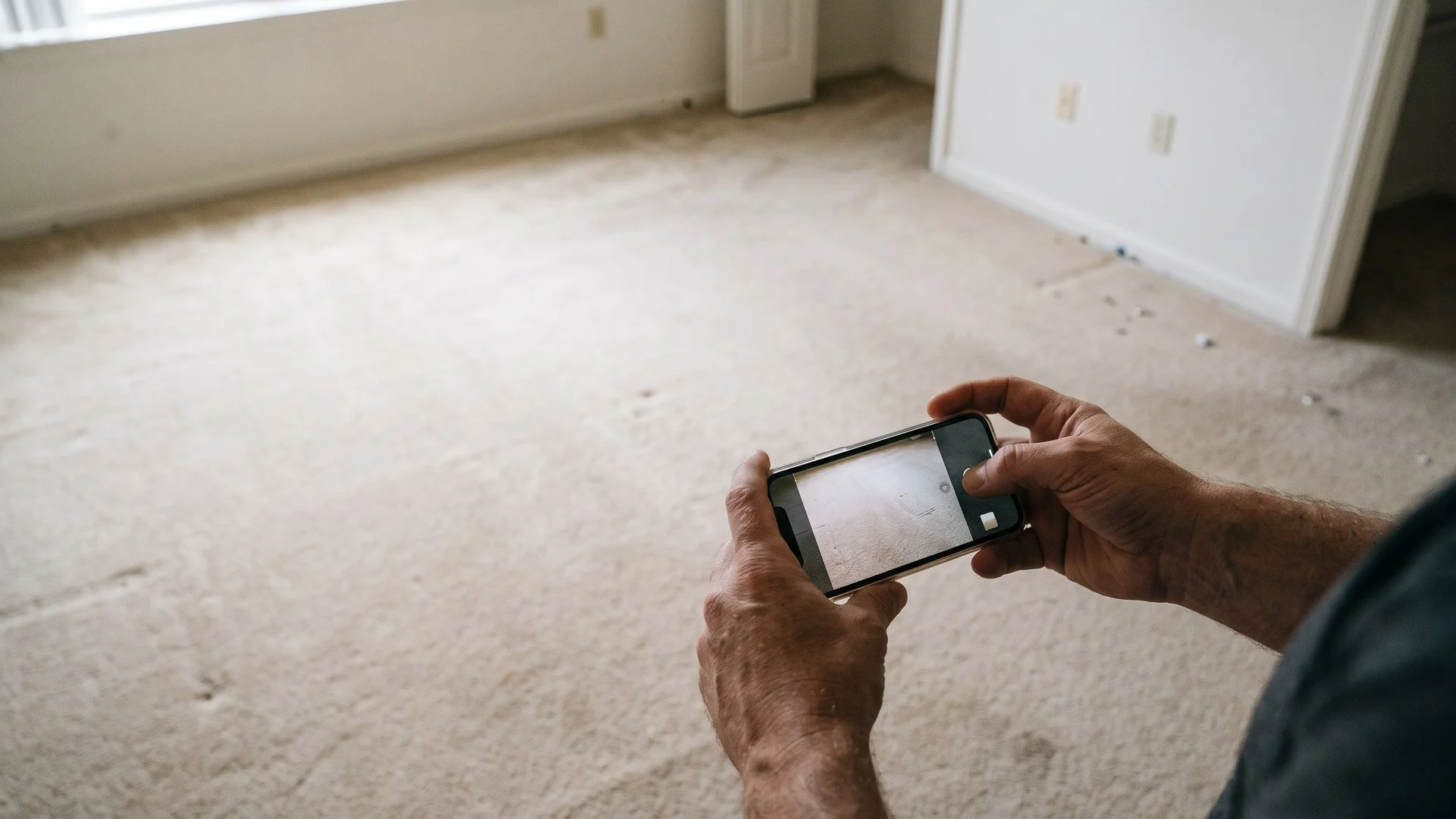
A landlord can claim the cost of repairing damage the tenant caused, cleaning needed because the unit was not left reasonably clean, and unpaid rent. A landlord cannot charge for reasonable wear and tear, and cannot turn routine upkeep, such as repainting a unit between tenants after normal use, into a tenant cost.
The Government of Saskatchewan also says a landlord may not make it a term of the tenancy agreement that the landlord will automatically keep all or part of the security deposit at the end of the tenancy. Any claim has to go through the process below.
How does the seven-business-day deadline work?
Within seven business days after the landlord knows, or should reasonably have known, that the tenant has vacated, the landlord must either return the deposit and any interest, or return the part they are not keeping and serve notice, in the approved form, of their intention to keep the rest (s.32(1)). The government page says the claim is made through the ORT's online portal and served on all tenants at the service address they provided.
If the tenant gave a forwarding address, the notice must be served there, personally, by ordinary mail or electronically (s.32(2)(a)). A forwarding address includes an email address (s.32(1.1)). If no forwarding address was given, the landlord is not required to serve the notice (s.32(2)(b)), which is one more reason to give one in writing.
The landlord must keep holding the claimed amount in trust for 30 days from the end of the tenancy (s.32(1)(b)(iii)). The full return rules are in Saskatchewan Security Deposits: the One-Month Limit and the 7-Business-Day Return.
How do you dispute a deduction?
A tenant who disagrees can apply to the ORT for the return of the deposit within 60 days of the tenancy end date. The filing fee is $50. When a hearing is scheduled, the landlord is directed to pay the disputed amount into the ORT, which holds it in trust until the hearing officer decides. If the landlord does not pay it in by the deadline, the ORT may order the deposit paid to the tenant and cancel the hearing.
| Step | Deadline | Source |
|---|---|---|
| Landlord returns the deposit or serves a notice of claim | 7 business days after the tenant vacates | RTA s.32(1) |
| Landlord holds the claimed amount in trust | 30 days from the end of the tenancy | RTA s.32(1)(b)(iii) |
| Tenant disputes the claim at the ORT | 60 days from the tenancy end date | saskatchewan.ca; ORT Rules of Procedure |
Hearings are by phone unless the hearing officer decides otherwise. The step-by-step process is in Landlord Won't Return Your Deposit in Saskatchewan: the 60-Day Dispute.
How can you protect your deposit at move-out?
- Compare against move-in. Find your move-in photos or condition report and note anything that was already there.
- Fix what you damaged. Small repairs done well before you leave can cost less than a landlord's invoice.
- Clean thoroughly. The standard is "reasonably clean" (s.51): appliances, floors, bathrooms and cupboards.
- Return every key. Section 51 requires it.
- Give a forwarding address in writing. Email counts (s.32(1.1)).
- Ask to walk through the unit with the landlord. Write down anything you agree on, and anything you do not.
The full move-out routine is in Moving Out in Saskatchewan: Condition Checklist and Cleaning.
Frequently asked questions
Can my landlord charge me to repaint after I move out?
Not for paint that has simply aged or scuffed with ordinary use; that is reasonable wear and tear (s.49(7)). If walls were damaged, or painted without permission, the cost of putting that right can be claimed.
Are small nail holes damage?
The Act has no rule on nail holes. A few small holes from hanging pictures are commonly treated as ordinary living; many large holes or anchors left in drywall are more likely to be seen as damage. Check your tenancy agreement for any term about hanging items.
Who pays for a broken appliance?
The landlord repairs services and facilities they supply, whether the problem comes from wear and tear or any other cause (s.49(4)), unless the tenant or a guest caused the damage (s.49(6)).
Can the lease say I lose my deposit automatically?
No. The Government of Saskatchewan says a landlord may not require, as part of a tenancy agreement, that the landlord automatically keeps all or part of the deposit.
What if my landlord never sent a notice of claim?
The landlord must return the deposit or serve notice within seven business days (s.32(1)). If neither happens, you can apply to the ORT for its return within 60 days of the tenancy end date.
Wear and Tear vs Damage: Tenant Checklist
A one-page checklist for Saskatchewan renters: what counts as wear and tear, what you must repair, the landlord's deposit deadline and how to dispute a claim.
Get Free PDF →Key takeaways
- Tenants repair damage they or their guests cause, never reasonable wear and tear (s.49(6)-(7)).
- The unit must be left reasonably clean and undamaged, apart from wear and tear, with all keys returned (s.51).
- A landlord has seven business days to return the deposit or serve notice of a claim (s.32).
- Tenants have 60 days from the end of the tenancy to dispute a claim at the ORT.
- Dated photos at move-in and move-out are the strongest evidence either side has.
For your other rights as a renter, read Saskatchewan Tenant Rights: A Complete Guide.
Looking for your next place?
Browse rental listings on Tenon10.
Free • No signup required