To win an RTB compensation claim in BC, you must prove four things: the other party broke the Residential Tenancy Act, the regulations or the tenancy agreement; you suffered a loss because of it; what that loss is worth; and that you did what was reasonable to keep it down. The Residential Tenancy Branch sets this test out in Policy Guideline 16.
What is the four-part test for compensation at the BC RTB?
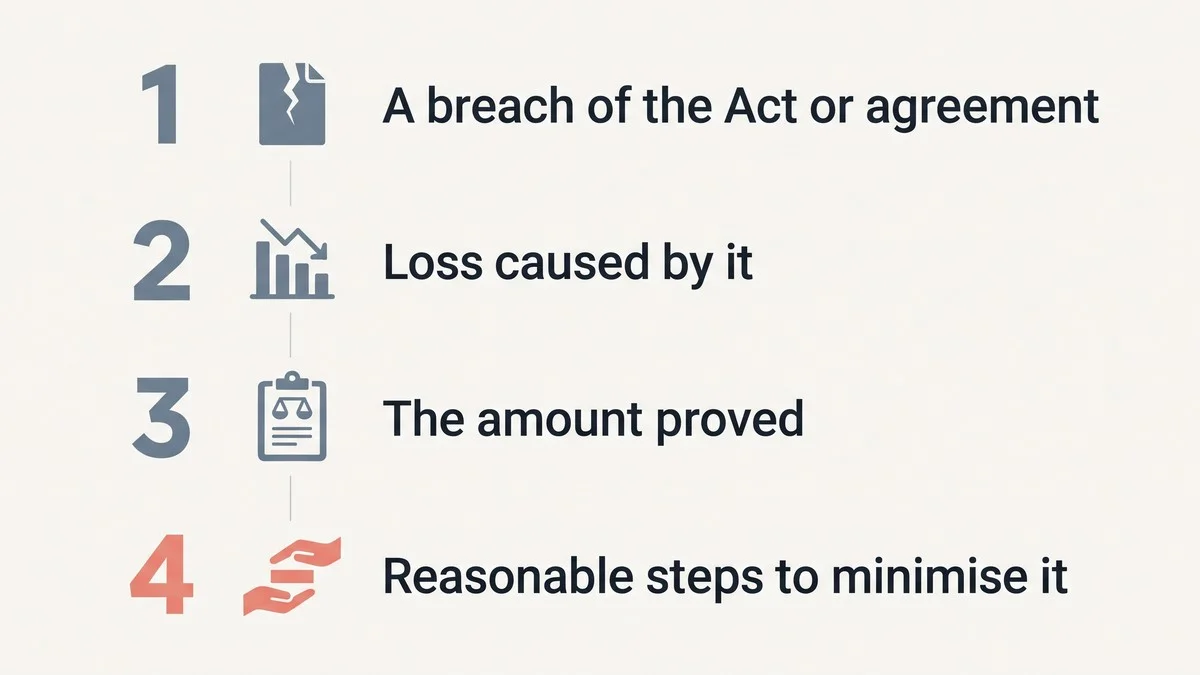
The four-part test comes from section 7 of the Residential Tenancy Act: a landlord or tenant who does not comply with the Act, the regulations or the tenancy agreement must compensate the other party for the resulting damage or loss, and the person claiming must do whatever is reasonable to minimize it. Section 67 lets an arbitrator set the amount and order it paid. Under Policy Guideline 16, the applicant must show, on a balance of probabilities:
- that the other party failed to comply with the Act, a regulation or the tenancy agreement;
- that the loss or damage resulted, at least in part, from that failure;
- the amount or value of the loss; and
- that the applicant acted reasonably to minimize it.
Compensation is meant to put you back where you would have been without the loss. Guideline 16 says the award must not include any punitive element.
What kinds of loss can a BC landlord or tenant claim?
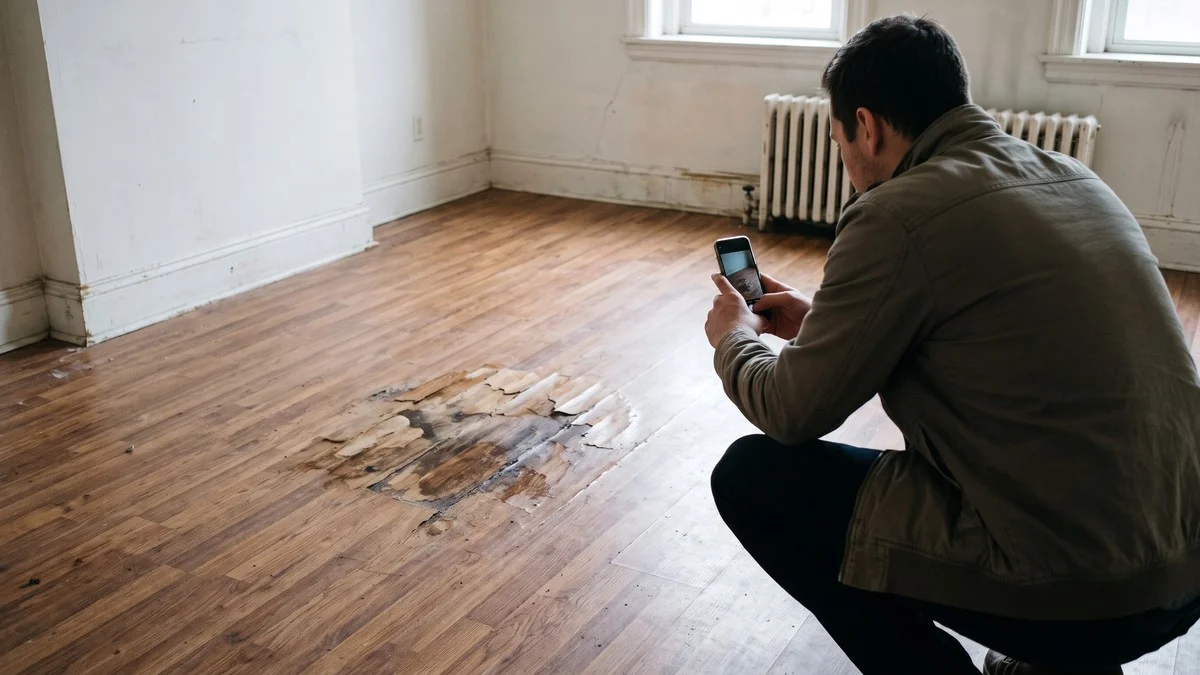
In BC, a claim is not limited to physical damage. Guideline 16 lists loss of access to part of the property, loss of a service or facility, loss of quiet enjoyment, lost rental income and related costs, and physical or mental harm to a person.
Where a loss has no clear dollar figure, an arbitrator can award nominal damages (a small sum such as $1 or $100 where a breach is proven but no real loss), non-pecuniary damages (for example, a percentage of rent for lost quiet enjoyment) or, rarely, aggravated damages for malicious or high-handed conduct. Guideline 16 says aggravated damages should be named in the application with a short explanation.
You cannot be paid twice for one breach. A statutory remedy such as section 38's return of a deposit (see when a landlord must pay back double the deposit) or section 51's landlord-use compensation is not stacked on top of section 7 compensation for the same non-compliance.
How do you prove the amount with the Monetary Order Worksheet (RTB-37)?
The RTB's Monetary Order Worksheet (RTB-37) organizes the amount. You tick what the claim is for (unpaid rent or utilities, repairs, cleaning, deposits, emergency repairs, other losses) and list the documents behind it: the tenancy agreement, move-in and move-out inspection reports, numbered and labelled photos, receipts, invoices and written estimates.
Guideline 16 expects proof of value, such as the receipt from a carpet cleaner. A landlord does not have to have paid for a repair already: written estimates can be used as evidence. A strong condition inspection record is usually what separates damage from reasonable wear and tear.
How long do you have to file, and what does it cost?
In BC, a compensation claim must be filed within two years of the date the tenancy ends or is assigned, unless the Act sets a different deadline (RTA s.60); after that the claim ceases to exist. If one party files on time, the other can file its own claim against the same parties after the two years, as long as the first proceeding has not concluded. The filing fee is $100 for most applications (Residential Tenancy Regulation s.8). The RTB will not decide a debt or damages claim above the Small Claims Act limit unless the applicant abandons the excess (s.58). The steps are in how to file a dispute resolution application, and evidence deadlines are in preparing evidence for an RTB hearing.
Frequently asked questions
Do I have to prove all four parts of the test?
Yes. Guideline 16 says the arbitrator must find a breach, a loss resulting from it, the value of the loss and reasonable steps to minimize it. Proving a breach alone may only support nominal damages.
Can a landlord claim for repairs that have not been done yet?
Yes. Guideline 16 says repair costs need not already be incurred, and written estimates can be used as evidence. Itemize them on the RTB-37 like receipts.
Can a tenant be compensated for stress or inconvenience?
Possibly. Non-pecuniary damages can be awarded for inconvenience or lost quiet enjoyment, and aggravated damages for significant distress caused by malicious or oppressive conduct, though Guideline 16 says the latter are rarely awarded.
What does "minimize the loss" mean in practice?
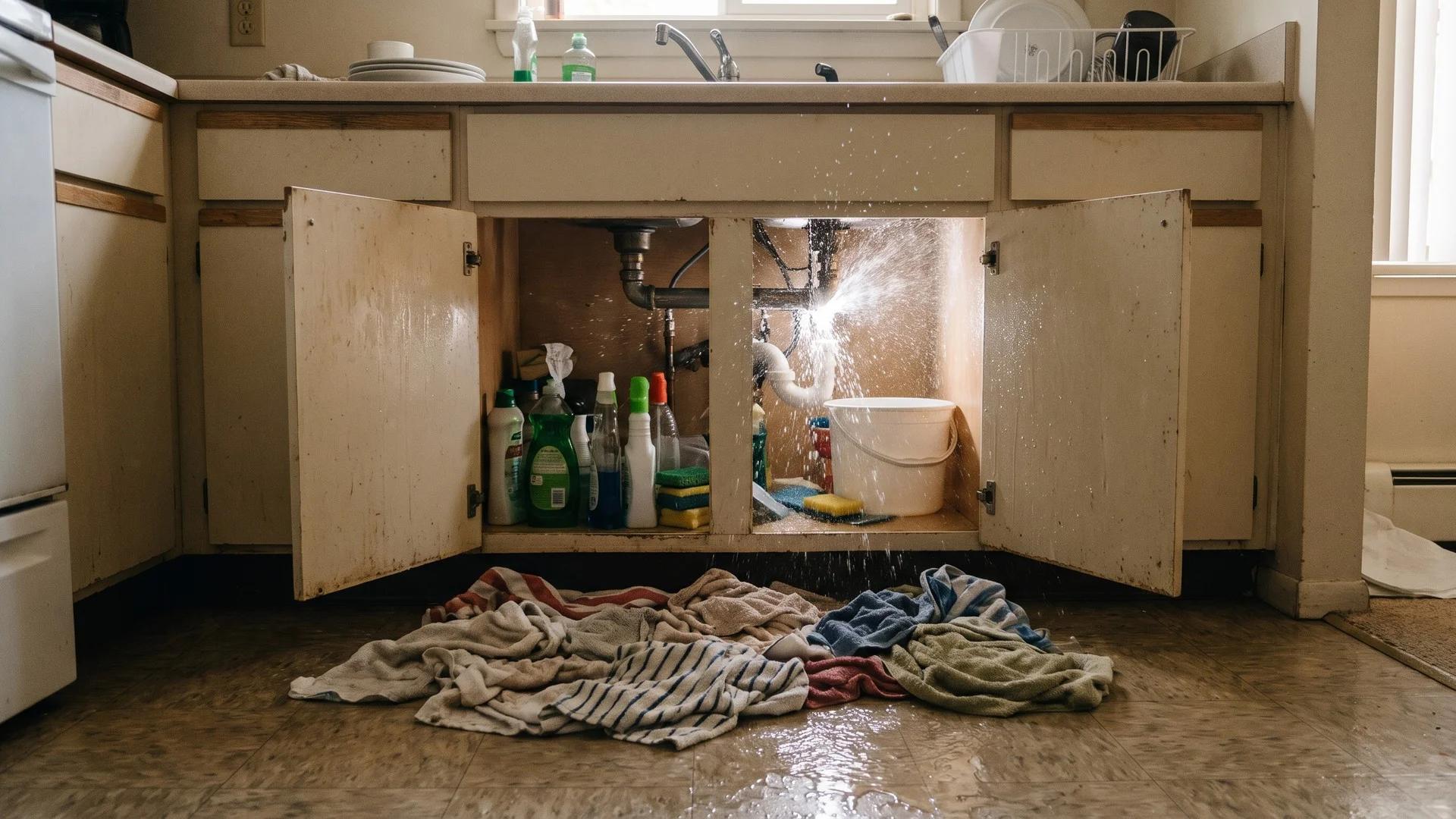
Section 7(2) requires the person claiming to do whatever is reasonable to limit the damage or loss, such as re-advertising a unit promptly or stopping a leak from spreading. It is the fourth part of the test, so a claim that fails it is not fully proven.
Can I claim more than the Small Claims limit at the RTB?
Not as a debt or damages claim, unless you abandon the amount above the limit (RTA s.58(2.2)). Section 58 sets a separate $65,000 cap for certain compensation claims, such as section 51 claims after a landlord-use notice.
Record the condition before anything is disputed
Fill in BC's Condition Inspection Report (RTB-27) online at move-in and move-out.
Free • No signup required