Under section 123 of Ontario's Residential Tenancies Act, a landlord and tenant can agree to add parking or a prescribed service, such as a storage locker, an air conditioner or cable, for extra rent. The increase can take effect at any time and sits outside the guideline, but it is capped at the landlord's actual cost or a reasonable amount (O. Reg. 516/06, s.16(2)).
A tenant asks for a parking spot halfway through the year, or wants a storage locker that just came free. These additions do not wait for the 12-month rule or the annual guideline, which is 1.9% for 2027 (see the 2027 N1 guide). They follow their own rules in the Residential Tenancies Act, 2006 (RTA) and section 16 of O. Reg. 516/06. More landlord guides are in the Ontario Landlord Resource Center.
Section 123 Add-On Charges: Landlord Checklist
A one-page checklist for Ontario landlords adding parking or a prescribed service, such as storage or an air conditioner, for extra rent.
Get Free PDF →What you'll need

- A written agreement with the tenant that names the service and the monthly charge.
- Your cost records (a parking lease, a utility bill, a cable invoice), if you are charging at cost.
- The current lawful rent, so the new figure is stated correctly.
How do you add parking or a service for extra rent?
1. Confirm it is on the list
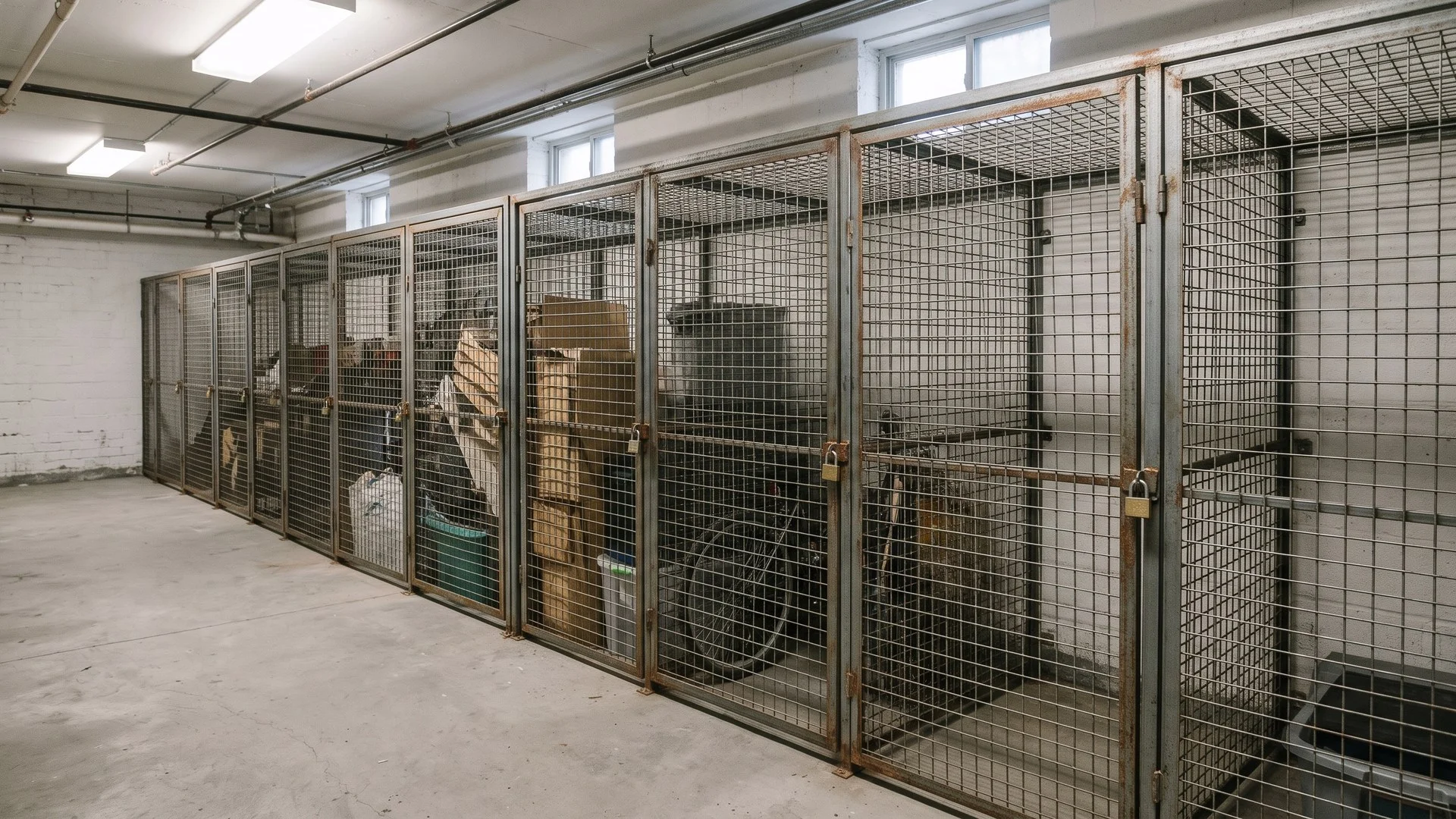
Section 123(1) covers a parking space and the things prescribed in s.16(1) of the regulation: cable or satellite TV, an air conditioner, extra electricity for an air conditioner or for a washer or dryer in the unit, block heater plug-ins, lockers or other storage space, heat, electricity, water or sewage services (excluding capital work), floor space, and property taxes for a mobile home or land lease home site. Anything not on that list cannot be added under section 123.
2. Set a lawful charge
The increase cannot exceed the landlord's actual cost of providing the item, or, where that cost cannot be established or there is none, a reasonable amount based on its value (s.16(2)). Added floor space is priced in proportion to the change in floor space, or at a reasonable amount if that result would be unreasonable (s.16(3) and (4)).
3. Put it in writing and let the tenant choose
The agreement must be voluntary. An agreement made because of coercion, or a false, incomplete or misleading representation by the landlord or the landlord's agent, is void (s.124). Money collected under a void agreement can be claimed back on a T1 filed within one year (s.135).
4. Start the charge
Section 123(2) lets the increase apply despite the 90-day notice rule (s.116) and the 12-month rule (s.119), and section 120(1) excludes a section 123 agreement from the guideline cap. A section 123 increase also does not restart the 12-month clock for your next guideline increase: section 119(2) deems it not to be a rent increase for that rule. Record the new lawful rent on your ledger.
5. Lower the rent when the service ends by agreement
If you and the tenant agree that you will stop providing the parking or service, the rent must go down (s.125). Where it was added under an earlier section 123 agreement, the minimum decrease is the most recent separate charge for it, or the original increase adjusted for later rent increases if there was no separate charge (s.16(5)).
Tips

- Section 123 is not section 121. An N10 agreement under s.121 trades a capital expenditure or a new or additional service for an increase capped at the guideline plus 3%, and the tenant can cancel within five days. Section 123 is the narrower, cost-based route for parking and the listed items.
- Air conditioning has new rules. Since July 1, 2026, section 36.1 governs a tenant installing their own air conditioner; see Ontario's AC rules. A landlord supplying the unit by agreement can still use section 123.
- Do not add a charge for something the tenant already has. Section 123 is about adding an item; charging more for an existing one is an ordinary rent increase.
Troubleshooting
- "The tenant says the charge is too high." Anything above cost or a reasonable amount is not lawful rent; the tenant can recover it on a T1 filed within one year of payment (s.135). See the T1 guide.
- "I want to take the spot back but the tenant does not agree." Section 125 covers an agreed removal. Withdrawing a service or facility without agreement can lead to a tenant application for a rent reduction under section 130.
Frequently asked questions
Can an Ontario landlord charge extra for parking mid-lease?
Yes, if the tenant agrees to add parking. The increase can start at any time and is not limited by the guideline, but it cannot exceed the landlord's cost or a reasonable amount.
Does a section 123 increase need an N1?
No. Section 123(2) applies despite the 90-day notice requirement in section 116. A written agreement is the record.
Does it reset the date of my next rent increase?
No. Section 119(2) of the RTA deems a section 123 increase not to be a rent increase for the 12-month rule.
Section 123 Add-On Charges: Landlord Checklist
A one-page checklist for Ontario landlords adding parking or a prescribed service, such as storage or an air conditioner, for extra rent.
Get Free PDF →Key takeaways
- Section 123 covers parking and the items listed in O. Reg. 516/06, s.16(1).
- The charge is capped at cost or a reasonable amount.
- The agreement must be voluntary and accurate, or it is void.
- An agreed removal means a rent decrease.
Keep every rent change on the record
Free Ontario landlord forms and guides, from the N1 to the N10.
Free • No signup required