The Rental Housing Enforcement Unit (RHEU) is the Ontario government office that responds to offences under the Residential Tenancies Act, such as illegal entry, changing locks without following the process, or cutting off heat or water; you contact it by phone at 416-585-7214 or toll-free at 1-888-772-9277 (Ontario.ca). There is no application form and no filing fee.
The RHEU is often confused with the Landlord and Tenant Board (LTB). The LTB decides disputes and orders remedies. The RHEU enforces offences, and its investigations can lead to charges and fines. Landlords can use it too, since several offences apply to tenants.
Ontario RHEU Complaint: Tenant Checklist
A one-page checklist for reporting an Ontario rental housing offence to the RHEU: what counts as an offence, what to have ready, the call, and when the LTB is the right route.
Get Free PDF →What you'll need
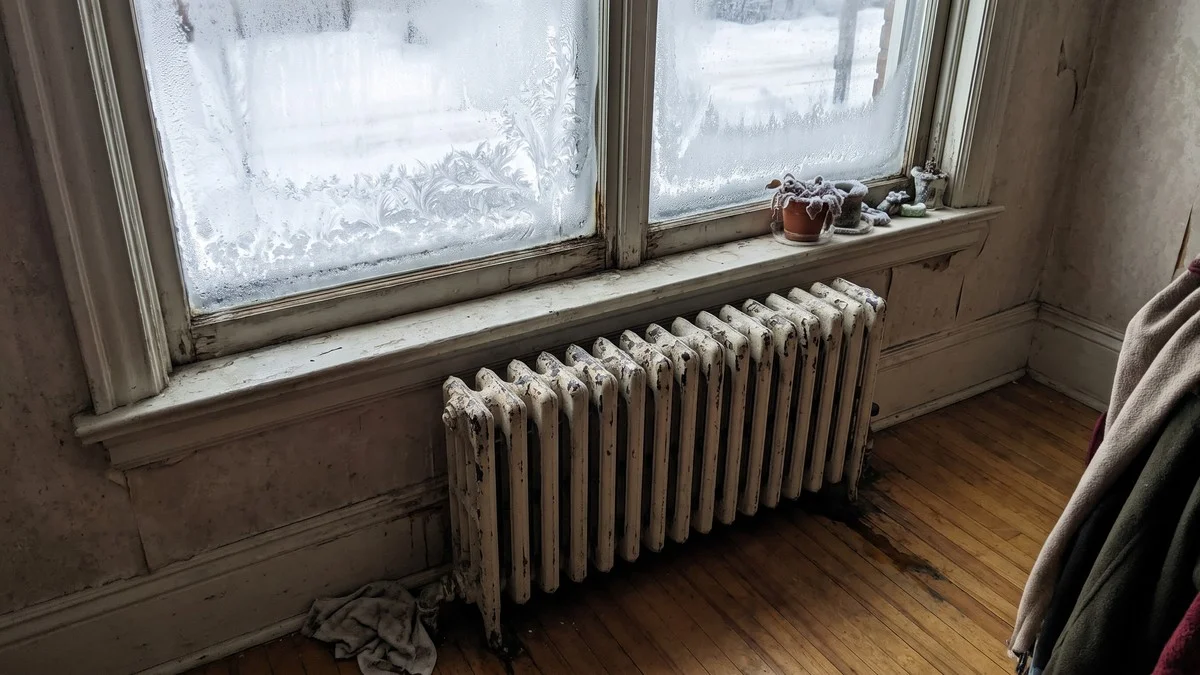
The RHEU says it does not take anonymous complaints and asks callers to have the following ready:
- Your name and contact information.
- The other party's name and contact information.
- Details of what happened, including dates.
- Supporting documents, such as a notice of entry or relevant emails.
- Copies of your written attempts to resolve it, and how long the other party took to respond.
What problems does Ontario's Rental Housing Enforcement Unit handle?

Ontario's Rental Housing Enforcement Unit handles conduct that is an offence under the Residential Tenancies Act; if your issue is not an offence, it explains your rights and refers you to the LTB or another agency. Ontario's rental housing offences page groups the offences like this.
| Area | Examples of offences |
|---|---|
| Eviction | Taking back a unit or belongings without following the process; illegal lock changes |
| Vital services | Withholding or interfering with water, heat, electricity, fuel or gas |
| Entry | Entering without proper notice, at the wrong time, or for a reason not allowed |
| Rent and fees | Charging more than the lawful rent, illegal fees, mishandling rent deposits, no receipt on request |
| Harassment and interference | Harassing tenants, or interfering with a tenants' association or with hearings |
| Other | Disobeying certain LTB orders; giving false information to the RHEU or the LTB |
The statutory list is in section 234 of the Act, and the penalties are in section 238. For background on vital services, see our guide to vital services in Ontario.
How do you file a complaint with the RHEU, step by step?
You file an Ontario RHEU complaint by first trying to resolve the issue in writing, then calling the unit with your details and documents; it assesses whether an offence is involved and, with your consent, contacts the other party.
- Write to the other party first. The RHEU asks you to try to resolve the issue, preferably by letter or email, and keep copies.
- Check that it is an offence. Compare what happened with the offence list in RTA s.234.
- Call the RHEU at 416-585-7214 or 1-888-772-9277 and explain what happened.
- Consent to contact. With your consent, the RHEU contacts the landlord or tenant to try to resolve the issue, sends a letter describing the complaint and the options to fix it, and follows up.
- Be ready to be a witness. If the issue is not resolved, the RHEU may open a formal investigation that may result in charges before a Justice of the Peace in the Ontario Court of Justice, and you may have to attend as a witness.
RHEU or LTB: which one should you use?
Use the RHEU when someone may have committed an offence and you want it stopped or prosecuted; use the Landlord and Tenant Board when you need a decision or an order, such as compensation, a rent abatement or an eviction. Ontario says the RHEU can intervene immediately without an application process, while the LTB runs mediations and hearings.
Tenants claiming money for harassment or illegal entry usually file a T2 application. If you are unsure where to start, Ontario says staff at either office can guide you.
Tips
- Keep a timeline with dates, times and witnesses.
- Know the stakes. On conviction, fines can be up to $100,000 for an individual and $500,000 for a corporation (RTA s.238). Our piece on the doubled section 238 fines explains the change.
- Expect information sharing. Ontario says information relevant to the dispute may be shared with the other party.
Troubleshooting
You want to stay anonymous. The RHEU does not take anonymous complaints.
The RHEU says it is not an offence. It will explain your rights and connect you with the LTB or another agency. See the Ontario Tenant Resource Center for the right application.
Frequently asked questions
Is there a fee to complain to the RHEU?
Ontario's RHEU pages describe no fee and no application process; you contact the unit by phone.
Can a landlord complain to the RHEU about a tenant?
Yes. The unit handles offences by landlords or tenants, and some offences, such as giving false information, can be committed by either.
Are convictions made public?
Ontario publishes all corporate convictions, and an individual's name is posted if they are convicted more than once of the same offence, for cases received on or after August 17, 2017.
Can the RHEU order my landlord to pay me?
Ontario's RHEU pages describe contact, investigation and prosecution, not compensation orders. Claims for money go to the LTB.
Ontario RHEU Complaint: Tenant Checklist
A one-page checklist for reporting an Ontario rental housing offence to the RHEU: what counts as an offence, what to have ready, the call, and when the LTB is the right route.
Get Free PDF →Need an LTB form instead?
Find the T2, T6 and other Ontario forms with plain-language guides.
Free • No signup required