When a tenant dies in Ontario and was the only tenant of the rental unit, the tenancy is deemed to end 30 days after the death (Residential Tenancies Act, 2006, s.91(1)). Until then, the landlord must preserve the tenant's belongings and give the estate's executor or administrator, or a family member if there is none, reasonable access to remove them. A spouse who lives there may become the tenant.
Losing a tenant is hard on everyone, and the people a landlord deals with in the weeks after are usually grieving relatives who have never handled a tenancy before. The Act gives a short, clear set of rules for this situation. This guide walks through them in the order they come up, with the section numbers so you can read them yourself on Ontario's e-Laws site.
When a Tenant Dies in Ontario: Landlord Checklist
A one-page checklist for Ontario landlords after a sole tenant dies: the 30-day rule, a surviving spouse, preserving belongings, estate access and the six-month claim.
Get Free PDF →Does an Ontario tenancy end automatically when the tenant dies?
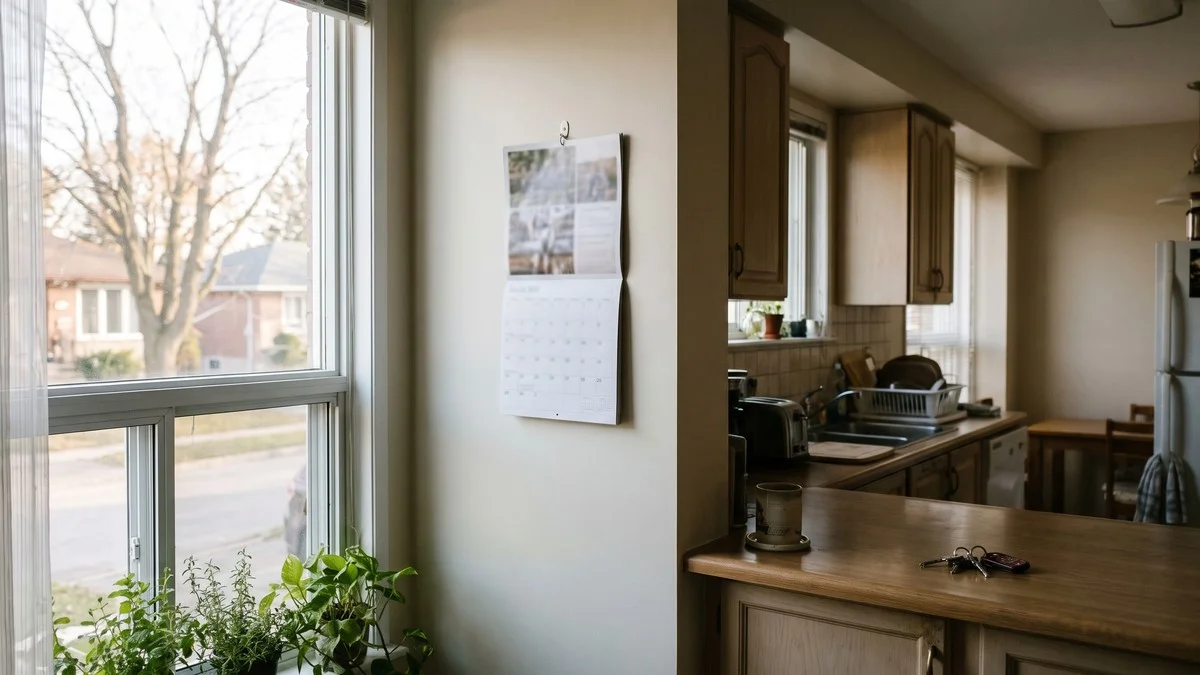
Yes, but only when the person who died was the sole tenant: an Ontario tenancy is deemed terminated 30 days after the death of a tenant if there are no other tenants of the rental unit (RTA s.91(1)). No notice, form or Landlord and Tenant Board (LTB) application is needed for that deemed termination.
If the lease has other tenants on it, the tenancy does not end. The surviving co-tenants keep the unit on the same terms, and the deceased person's share of the obligations is a matter between the survivors and the landlord. A roommate who is only an occupant and never became a tenant is not a tenant, so they do not keep the tenancy on that basis alone.
The Act's definition of "tenant" also includes the tenant's heirs and personal representatives (RTA s.2(1)). In practice that means the executor or administrator steps into the deceased tenant's position for the purpose of winding up the tenancy and dealing with the landlord.
| Situation | What happens to the tenancy | Rule |
|---|---|---|
| Sole tenant dies, nobody else lives there | Deemed terminated 30 days after the death | RTA s.91(1) |
| One of several tenants dies | Continues with the surviving tenants | RTA s.91(1) applies only when there are no other tenants |
| Sole tenant dies, spouse lived there as their principal residence | Spouse is a tenant unless they move out within the 30 days | O. Reg. 516/06, s.3(1) |
| Landlord and executor agree on a different end date | The agreed terms apply | RTA s.92(5) |
What if the tenant's spouse still lives in the unit?
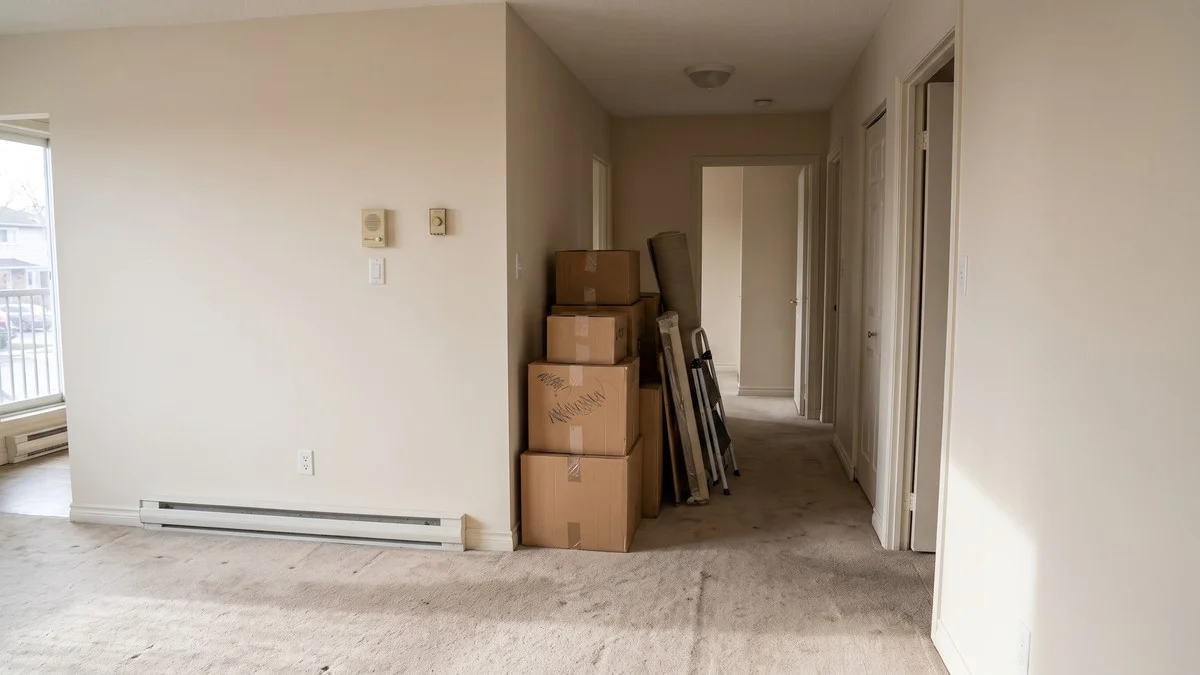
In Ontario, a surviving spouse who lives in the unit as their principal residence is treated as a tenant unless they move out within the 30-day period in section 91 (O. Reg. 516/06, s.3(1)). A spouse who stays past the 30 days therefore keeps the tenancy, with the same rights as any other tenant, even if their name was never on the lease.
The regulation carves out some units: it does not apply to the social and public housing units described in section 7 of the Act, to care homes governed by Part IX, or to the units covered by section 6 of the regulation (O. Reg. 516/06, s.3(4)). If your property is one of those, read the exceptions before you assume the spouse's position.
What must an Ontario landlord do with a deceased tenant's belongings?
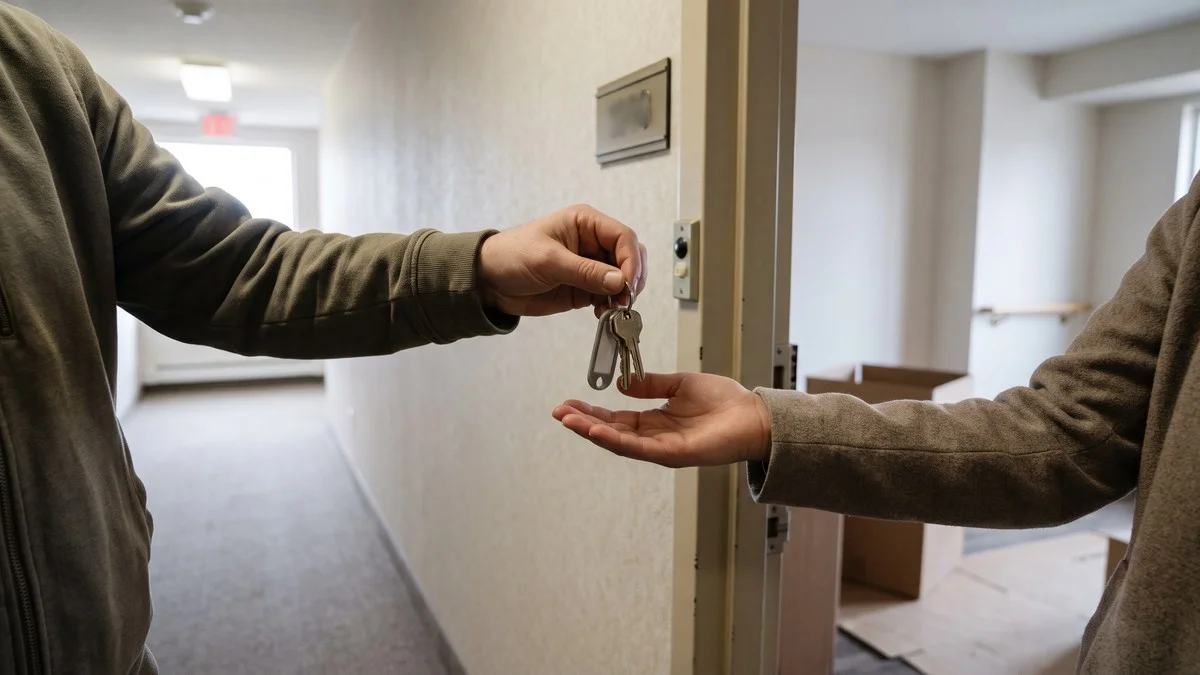
Until the tenancy ends under section 91, an Ontario landlord must preserve the deceased tenant's property in the unit and in the residential complex, except for property that is unsafe or unhygienic (RTA s.91(2)(a)). That covers furniture, documents, valuables and anything stored in a locker or parking space that is part of the complex.
Unsafe or unhygienic items, such as spoiling food, may be disposed of immediately (RTA s.92(1)(a)). Everything else must stay where it is until the deemed termination date. Keep a dated list and photographs of anything you remove as unsafe or unhygienic, because the estate may later ask what happened to it.
Who can enter the unit to collect the belongings?
The landlord must give the executor or administrator of the tenant's estate reasonable access to the rental unit and the complex to remove the tenant's property; if there is no executor or administrator, that access goes to a member of the tenant's family (RTA s.91(2)(b)). The obligation runs until the tenancy is terminated under section 91.
Ask the person who contacts you for something that shows their role, such as a copy of the will naming the executor, or a certificate of appointment from the court. Where nobody has been appointed yet, the Act lets a family member collect the belongings, so you do not have to wait for probate to let the family in. Arrange visits at agreed times and keep a short written record of who came, when, and what they took.
The usual entry rules for landlords still apply to your own entries while the tenancy continues. If you need a refresher on them and on the rest of a landlord's day-to-day duties, the Ontario Landlord Resource Center collects our guides in one place.
When can the landlord dispose of what is left?
After the tenancy is deemed terminated under section 91, an Ontario landlord may sell, keep for their own use or otherwise dispose of the deceased tenant's remaining property in the unit and the complex (RTA s.92(1)(b)). A landlord who does so in accordance with the section is not liable to anyone for it, subject to the estate's six-month claim (RTA s.92(2)).
Disposal is allowed, not required. Many landlords prefer to agree a short extension with the family rather than clear the unit on day 31, and section 92(5) lets the landlord and the executor or administrator agree to terms other than those in the section, both for the end of the tenancy and for the belongings. Put any such agreement in writing and have both sides sign it.
Can the estate get the belongings or the money back later?
Yes, for six months: if, within six months after the tenant's death, the executor or administrator (or a family member, if there is none) claims property the landlord has sold, the landlord must pay the estate the sale proceeds minus the landlord's reasonable out-of-pocket costs of moving, storing, securing or selling it and any arrears of rent (RTA s.92(3)).
Property the landlord kept for their own use must be returned to the estate if it is claimed within the same six months (RTA s.92(4)). In other words, keeping a deceased tenant's furniture is never a final transfer during that window. After six months, the landlord who followed section 92 is not liable for property disposed of under it.
Arrears of rent can be deducted only from the proceeds of property that was sold under section 92(3). Questions about a last month's rent deposit, unpaid rent beyond those proceeds, or the condition of the unit are matters to settle with the estate's representative. Our guide to last month's rent deposit rules in Ontario explains how that deposit normally works.
What should a landlord do in the first 30 days?
An Ontario landlord's job in the first 30 days after a sole tenant dies is to secure the unit, preserve the belongings, find the estate's representative and give them reasonable access. These steps keep you inside sections 91 and 92 and make the conversation with the family easier.
- Write down the date of death as soon as you learn it from a reliable source. The 30-day clock in section 91(1) runs from the death, not from the day you found out.
- Secure the unit. Make sure doors and windows are locked and nothing is left running. Remove only unsafe or unhygienic items, and record what you removed.
- Find out who is in charge. Ask for the executor or administrator. If there is none, identify a family member to deal with.
- Ask whether a spouse lived there. If one did and they intend to stay, the regulation may make them the tenant.
- Offer reasonable access to remove belongings, and log each visit.
- Agree any changes in writing. A different end date or a plan for the furniture can be agreed with the executor or administrator under section 92(5).
- After the deemed termination, dispose of what is left only in line with section 92, and keep records of any sale for six months after the death.
If the tenancy ended and the unit is empty, the next step is a turnover. Our guide to the Ontario Standard Lease covers the lease you will need for the next tenant.
Frequently asked questions
Does the estate have to give notice to end the tenancy?
No. When the deceased was the only tenant, the tenancy is deemed terminated 30 days after the death under RTA s.91(1), with no notice from the estate. An earlier or later date can be agreed between the landlord and the executor or administrator under s.92(5).
Can a landlord change the locks right after a tenant dies?
The landlord must still give the executor, administrator or a family member reasonable access to remove the tenant's property until the tenancy ends (RTA s.91(2)(b)). Securing the unit is sensible, but the access obligation has to be met, so any new key arrangement should include the estate's representative.
What if a roommate who was not on the lease lives there?
Section 91(1) looks at whether there are other tenants. A person who was only an occupant, and never a tenant, does not stop the deemed termination. A surviving spouse is the exception: the regulation includes them as a tenant if the unit was their principal residence and they do not leave within the 30 days.
Can the landlord keep the tenant's furniture?
After the deemed termination, the landlord may keep, sell or dispose of the property (RTA s.92(1)(b)). If the estate or family claims kept property within six months of the death, it must be returned (RTA s.92(4)).
Does this apply if one of two tenants dies?
No. Section 91 applies only when there are no other tenants of the rental unit, so the tenancy continues with the surviving tenant on the existing terms.
The rules here are short, and following them closely protects both the landlord and the family. Write things down, agree changes with the estate in writing, and give the people who are grieving the time the Act gives them.
When a Tenant Dies in Ontario: Landlord Checklist
A one-page checklist for Ontario landlords after a sole tenant dies: the 30-day rule, a surviving spouse, preserving belongings, estate access and the six-month claim.
Get Free PDF →Ready for the next tenancy?
Fill in Ontario's official landlord and tenant forms, including the Standard Lease, free and in your browser.
Free • No signup required