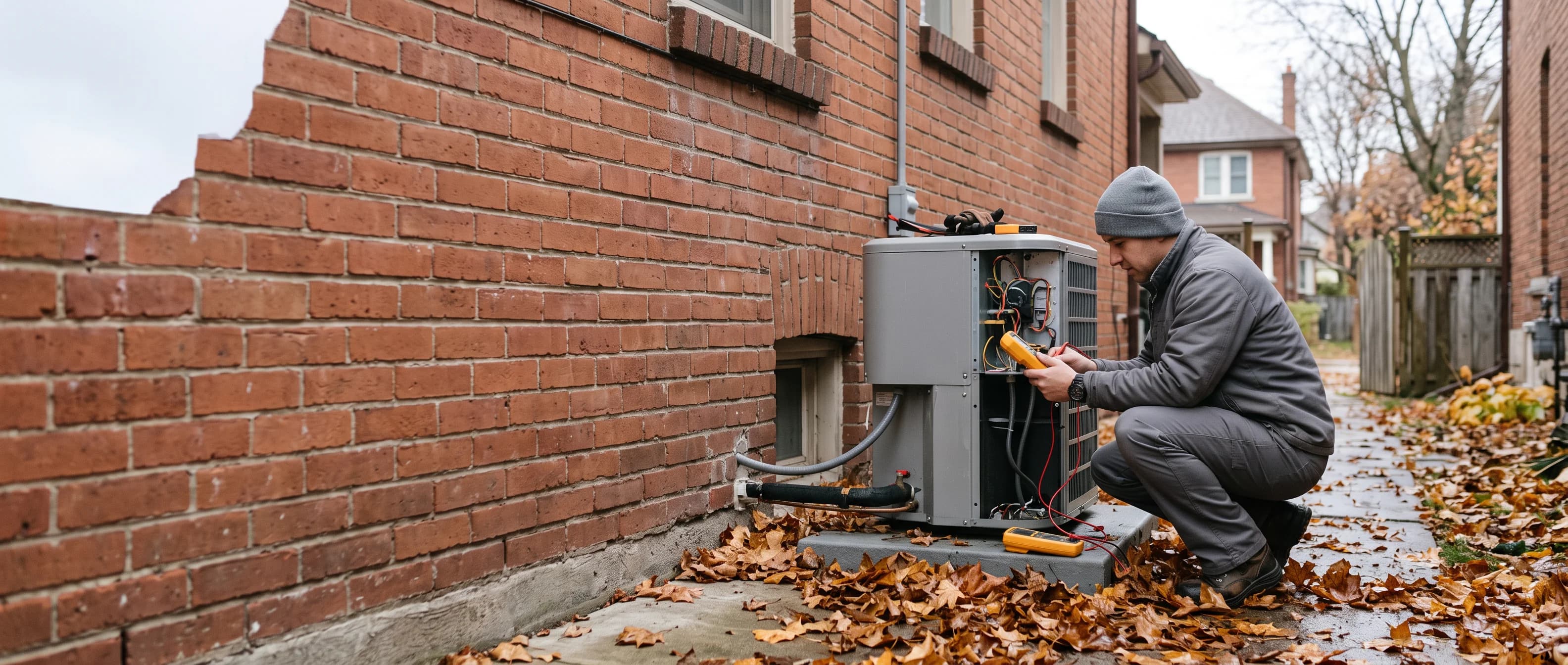
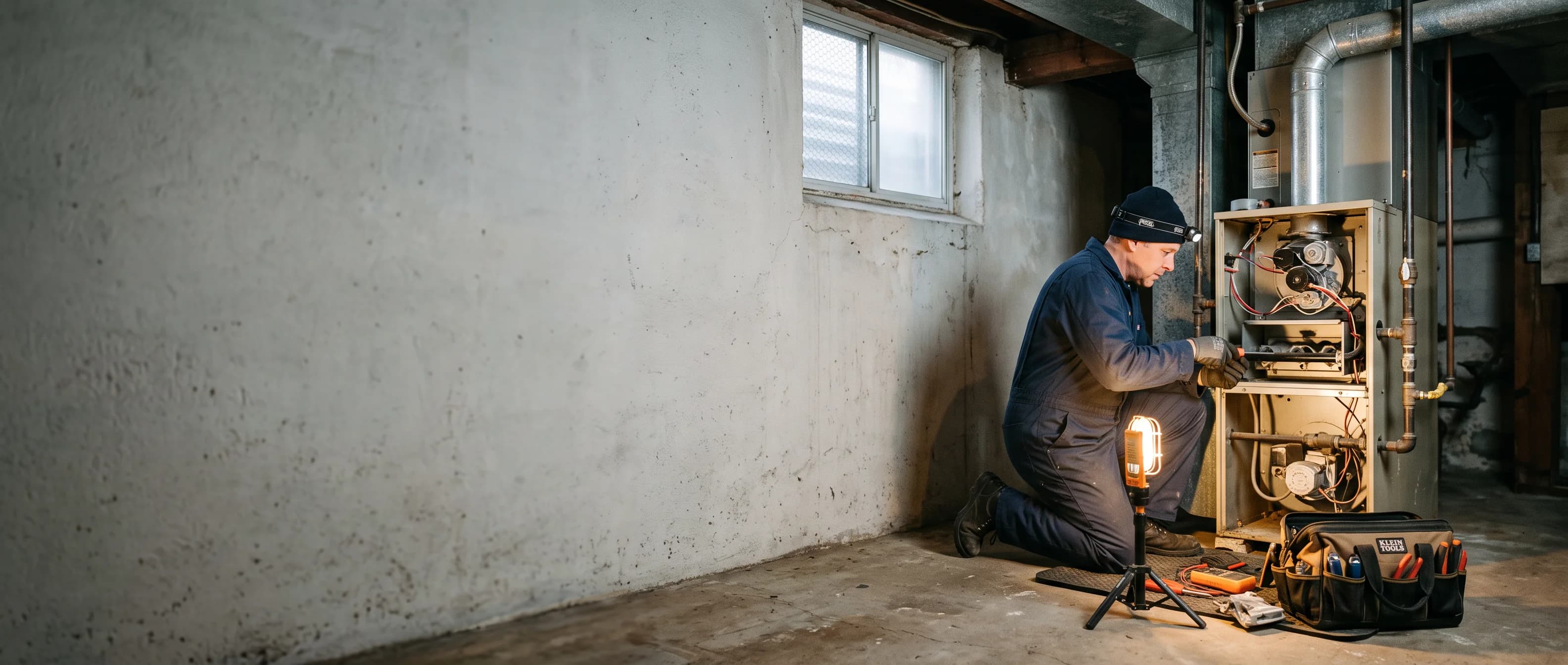
No hot water in an Ontario rental is a legal problem for the landlord: hot water is a vital service under the Residential Tenancies Act (s. 2(1)), and a landlord who supplies it cannot withhold it, even for unpaid rent (s. 21). The landlord repairs a landlord-supplied water heater. Tenants can call the city or apply to the LTB.
This guide explains what the law requires, the temperature rules that apply, who is responsible when the water heater fails, and the steps a tenant can take if hot water is not restored. It covers Ontario only; other provinces work differently.
Is hot water a vital service in an Ontario rental?
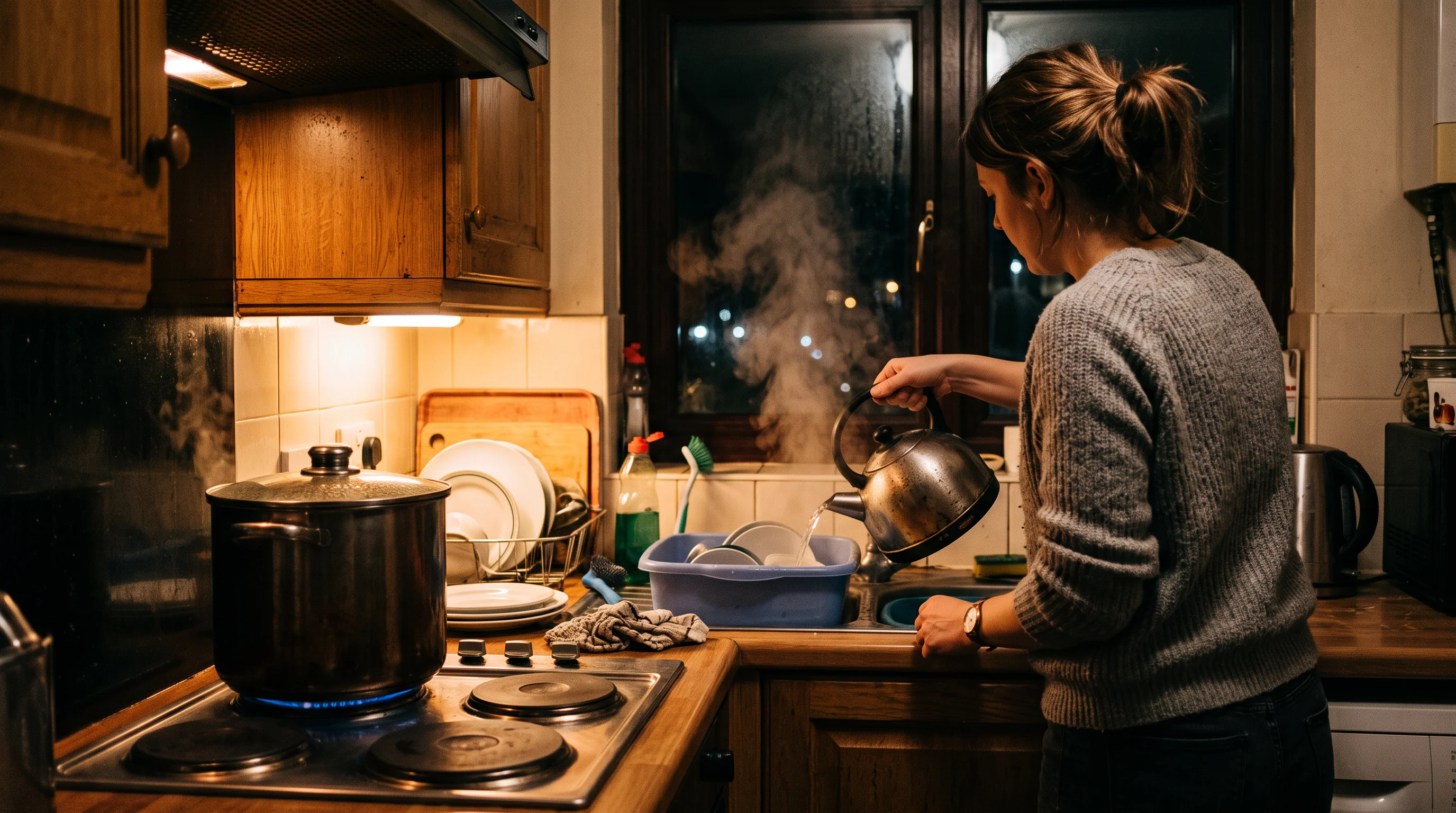
Yes. The Ontario Residential Tenancies Act, 2006 defines "vital service" to include hot or cold water, so a landlord who supplies it cannot withhold it or deliberately interfere with it, even if rent is owed.
Most broken things in a rental fall under the general repair duty in section 20 of the Act: the landlord must keep the rental unit in a good state of repair, fit for habitation, and in line with health, safety, housing and maintenance standards. That duty applies even if the tenant knew about the problem before signing the lease (section 20(2)).
Hot water gets an extra layer. Section 21(1) says a landlord must not, during the tenant's occupancy and until an eviction order is actually executed, withhold the reasonable supply of a vital service that the landlord is obliged to supply under the tenancy agreement, or deliberately interfere with the reasonable supply of any vital service. Section 21(2) adds that if the landlord is supposed to pay a supplier and does not, and the supplier cuts the service as a result, the landlord is treated as having withheld it.
The LTB's Maintenance and Repairs brochure draws the line on the other side too: if a service is cut off because the tenant failed to pay their own utility bill, the tenant cannot claim the landlord withheld it. For the wider picture of heat, water, gas and electricity, see our guide to vital services in Ontario.
How hot must the water be in an Ontario rental?
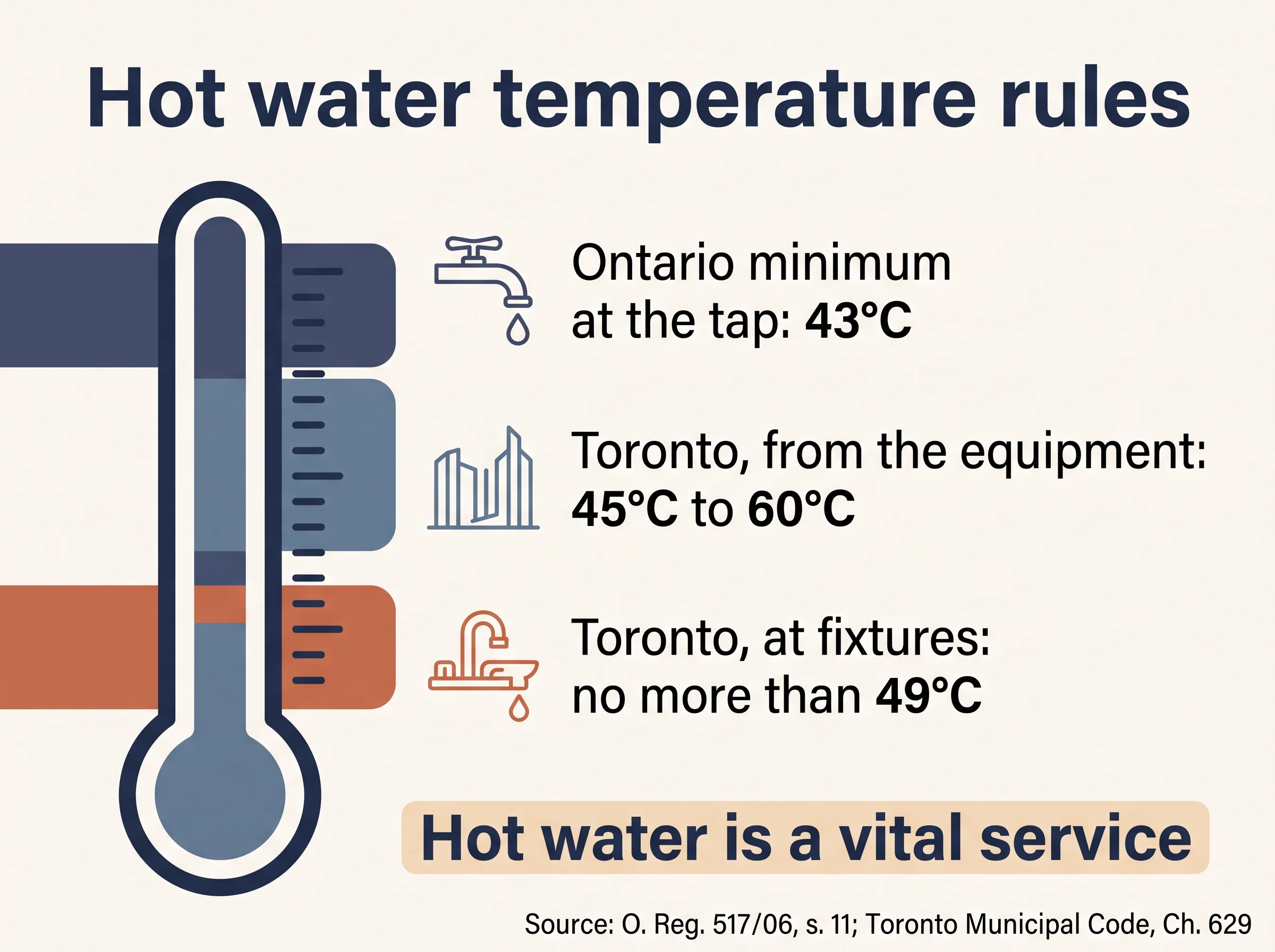
Where Ontario's provincial maintenance standards apply, ordinary hot water must be at least 43°C (O. Reg. 517/06, s. 11(2)); a municipal property standards by-law, such as Toronto's, can set its own range instead. Which standard applies depends on where the rental is:
| Where the rental is | Rule | Source |
|---|---|---|
| No municipal property standards by-law | Hot and cold running water by safe equipment to every kitchen sink, washbasin, bathtub and shower; ordinary hot water at least 43°C | O. Reg. 517/06, s. 11(1) and (2); applies under RTA s. 224 |
| Toronto, now | Equipment supplies hot water between 45°C and 60°C to every dwelling unit; hot water at fixtures capped at 49°C (dishwashers and clothes washers excepted) | Chapter 629, Property Standards |
| Toronto, from May 1, 2027 | 45°C to 49°C at fixtures other than clothes washers and dishwashers | By-law 1512-2025 (replacement chapter) |
The upper limit matters too: water that is too hot is a scald risk, and a by-law that caps fixture temperature can be breached by a heater set too high. If you are outside Toronto, check your own municipality's property standards by-law before relying on any number.
Who is responsible for the water heater in an Ontario rental?
In Ontario, the landlord is responsible for a water heater the landlord supplied: O. Reg. 517/06, section 40 says landlord-supplied appliances, including hot water tanks, must be kept in a good state of repair and in a safely operable condition. In practice:
| Situation | Who is responsible |
|---|---|
| Landlord-supplied heater, worn out or failed | The landlord repairs or replaces it. The LTB brochure notes a replacement does not have to be a newer or better model, as long as it works properly. |
| Heater rented from a third-party company | The rental contract decides who pays that company, but if the landlord supplied the heater as part of the tenancy, the conservative reading is that keeping hot water flowing remains the landlord's duty under the Act. Read the lease and the rental contract, and do not assume the tenant inherited the problem. |
| Tenant pays the gas or electricity bill | The tenant must keep that account paid. A shut-off for the tenant's non-payment is not the landlord withholding a vital service. |
| Damage the tenant caused | Under section 34, the tenant is responsible for undue damage caused wilfully or negligently by the tenant, another occupant or a guest. A heater that simply reaches the end of its life is wear and tear, not tenant damage. |
Is no hot water an emergency in an Ontario rental?
Ontario's Act has no list of "emergency repairs" and no fixed deadline in hours, but a household with no hot water at all sits near the top of the repair queue. The LTB's Interpretation Guideline 5 says it is reasonable for landlords to answer maintenance requests in order of urgency (its example is that water leaks come before a loose wall tile), but every legitimate request must be answered within a reasonable time. No hot water, especially in winter or with young children, is high on that list.
Whether it is an "emergency" for entry purposes is a separate question. Section 26(1) lets a landlord enter without written notice in cases of emergency or when the tenant consents at the time of entry. A heater that is actively leaking or a gas smell is plainly an emergency. A heater that has simply stopped heating usually is not, so the practical route is the tenant's consent at the door or 24 hours' written notice under section 27. Our plumbing guide to emergency entry goes through the line in detail.
What can an Ontario tenant do when there is no hot water?
An Ontario tenant with no hot water should tell the landlord in writing, call the municipality, and if needed apply to the Landlord and Tenant Board (LTB) on a T6 or T2, while continuing to pay rent. Step by step:
- Tell the landlord in writing. Describe the problem, when it started and what you measured, and ask for a repair by a specific date. Keep a copy. Under section 30(2), the LTB must consider whether you told the landlord before applying.
- Call the municipality. The LTB brochure explains that a tenant can ask the municipality to enforce its property standards by-law, or the provincial standards where no by-law exists. An inspector can issue a work order with a compliance deadline, and that order is strong evidence later.
- Apply to the LTB. If the landlord failed to repair the heater, the application is the Form T6, Tenant Application about Maintenance. If the landlord cut off or deliberately interfered with the hot water, the application is the Form T2, Application about Tenant Rights. The LTB fee schedule lists both at $48 through the Tribunals Ontario Portal or $53 otherwise. Both have a one-year limit under section 29(2).
- Ask for the right remedies. Under section 30, the Board can order a rent abatement, order the landlord to do the repair by a set date, order the landlord to pay for property damage and out-of-pocket costs (a gym day pass, a kettle, a plumber you paid), and in serious cases block rent increases until the work is done. Our guide to the T6 application covers the evidence that wins.
What should an Ontario landlord do when a tenant has no hot water?
An Ontario landlord should treat no hot water as urgent, never use it as leverage (RTA s. 21 applies even when rent is owed), get access lawfully and keep the paperwork. In practice:
- Treat it as urgent. Acknowledge the request the same day and book a qualified trade.
- Never use hot water as leverage. Section 21 applies even when rent is owed or the unit is damaged.
- Get access properly. Ask for consent at the door, or serve 24 hours' written notice stating the reason, the date and a time between 8 a.m. and 8 p.m. (section 27(3)).
- Keep shutdowns short. If the supply must be turned off to replace the heater, tell tenants when and for how long, and restore it promptly.
- Check the thermostat setting against your municipality's range, so the fix does not create a scald risk.
- Keep the paper. The request, the invoice and the date hot water came back are your defence if a T6 or T2 follows.
Choosing a licensed plumber: what should you check in Ontario?
In Ontario, plumber is a compulsory trade, so check the plumber's certificate on the Skilled Trades Ontario register, ask about permits, and get the cause of the failure in writing. Whoever books the work, these checks protect the landlord, the tenant and the building:
- Check the certificate. Plumber is a compulsory trade in Ontario: to work in it legally a person must hold a registered training agreement, a provisional certificate of qualification or a certificate of qualification, and appear on the Skilled Trades Ontario public register.
- Ask about permits. Toronto, for example, says installing or modifying plumbing systems needs a building permit, while repairing and replacing plumbing fixtures does not. Other municipalities set their own rules, so ask the building department when work goes beyond a like-for-like repair.
- Get the cause in writing. An invoice that says what failed and why (worn part, root intrusion, an object in the line) is the evidence both sides use if cost is ever disputed.
- Confirm insurance before anyone works in an occupied unit, and keep the warranty terms for parts and labour.
What are the key points about no hot water in an Ontario rental?
- Hot water is a vital service under the Residential Tenancies Act; a landlord who supplies it cannot cut it off, even for unpaid rent.
- The provincial minimum is 43°C where the provincial standards apply; Toronto requires 45°C to 60°C from the equipment and no more than 49°C at fixtures until its new chapter takes effect on May 1, 2027.
- A landlord-supplied water heater is the landlord's to repair or replace.
- Tenants should write to the landlord, call the municipality and, if needed, file a T6 or T2 at the LTB, and keep paying rent.
Frequently asked questions
Can an Ontario landlord shut off hot water because the tenant owes rent?
No. Hot water is a vital service under section 2 of Ontario's Residential Tenancies Act, and section 21 says a landlord cannot withhold it or deliberately interfere with it before an eviction order is executed.
What is the minimum hot water temperature in an Ontario rental?
Where the provincial maintenance standards apply, at least 43°C (O. Reg. 517/06, section 11). Many municipalities set their own rule. Toronto currently requires 45°C to 60°C from the equipment and caps fixtures at 49°C.
Who pays to replace a water heater in an Ontario rental?
If the landlord supplied it, the landlord pays, because hot water tanks are landlord-supplied appliances that must be kept in good repair (O. Reg. 517/06, s. 40). The tenant pays only if they caused undue damage wilfully or negligently (RTA s. 34).
Which LTB form does an Ontario tenant file for no hot water?
Form T6 if the landlord failed to repair or maintain the equipment; Form T2 if the landlord withheld or deliberately interfered with the supply. You can file both if both happened.
Can an Ontario tenant withhold rent until the hot water is fixed?
No. The LTB's Maintenance and Repairs brochure says a tenant should not withhold any part of the rent, and the landlord can apply to evict when full rent is not paid. Since September 21, 2026, raising repair issues at that hearing generally requires paying half the arrears claimed first.
Keep every plumbing repair on the record
In Tenon10, a tenant with an active lease submits a maintenance request from their account and the landlord tracks it to completion, so the dates the Landlord and Tenant Board asks about are already written down.
Built for Canadian landlords and property managers.