A Victoria BC landlord follows the provincial Residential Tenancy Act like everyone in BC, and adds three City of Victoria rules: a business licence for the rental, the Rental Property Standards of Maintenance Bylaw, and the smoke alarm bylaw. Victoria is also in the speculation and vacancy tax area, so every owner declares each year.
At a glance
- Licence: rentals of 30 consecutive nights or more may need a Long-Term Rental Property Business Licence; shorter stays need a short-term licence.
- Maintenance: the Rental Property Standards of Maintenance Bylaw sets minimum standards, enforced through the Residential Tenancy Branch.
- Smoke alarms: the owner installs at least one in every unit, tests it yearly and replaces batteries yearly.
- Tax: the provincial speculation and vacancy tax applies in Victoria; declare by March 31.
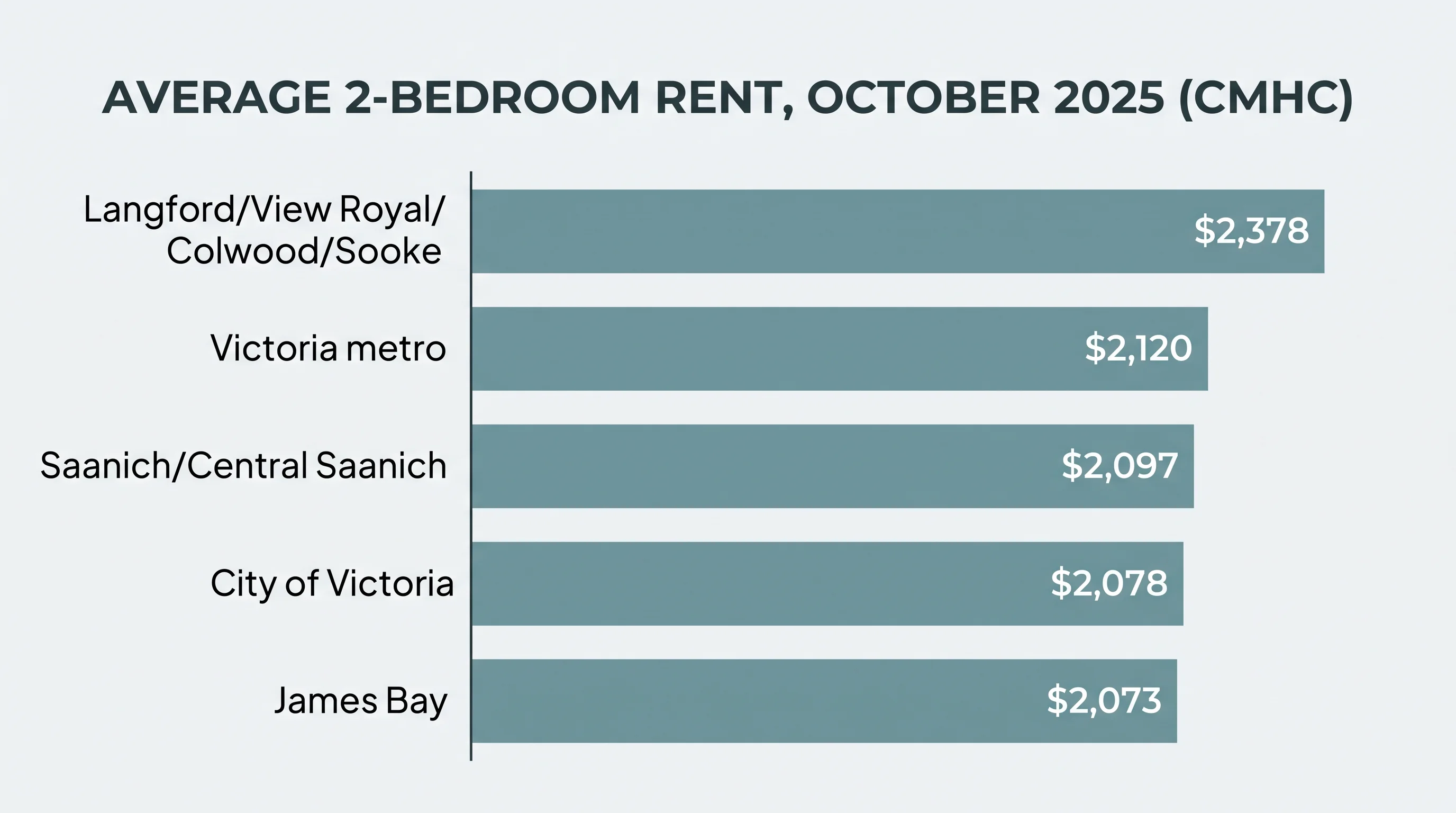
- Rents: CMHC's October 2025 survey put the City of Victoria two-bedroom average at $2,078.
Victoria Landlord Checklist
What a Victoria, BC landlord does beyond the Residential Tenancy Act: the licence question, the maintenance and smoke alarm bylaws, and the yearly SVT declaration.
Get Free PDF →Do you need a licence to rent out property in Victoria?
You may. The City's short-term rentals page says that if you offer accommodation for 30 consecutive nights or more, you may require a Long-Term Rental Property Business Licence, and it links to the application. Accommodation of less than 30 consecutive nights needs a short-term rental business licence, and both provincial and municipal short-term rules apply.
| Length of each stay | City of Victoria licence |
|---|---|
| 30 consecutive nights or more | May require a Long-Term Rental Property Business Licence |
| Less than 30 consecutive nights | Short-term rental business licence required to advertise and operate |
Because the City says "may," ask its business licensing office whether your property type needs one before the first tenant moves in. Short-term hosts should also read BC's principal residence requirement.
What does Victoria's Standards of Maintenance Bylaw require?
The Rental Property Standards of Maintenance Bylaw (RPSOM) sets minimum standards for the quality, safety and livability of rental units, according to the City's maintenance and repair page. It covers, among other things:
- Heating, hot water, plumbing and electricity
- Locks and keys, and pest control
- Serious mould, and walls, floors and ceilings
- Painting at reasonable intervals, and appliances included in the tenancy agreement
- Fire doors, fire escapes and smoke detectors; elevators, access devices and intercoms; common-area lights
- Yard maintenance, tree pruning and exterior window cleaning
The City does not run its own repair tribunal. It says the bylaw is enforced through the Residential Tenancy Branch's dispute resolution process: a tenant first asks the landlord in writing, referencing the bylaw, and if there is no response applies to the RTB. That sits on top of section 32 of the Residential Tenancy Act, which requires a landlord to meet the health, safety and housing standards required by law. Our guide to repairs and maintenance in BC explains the provincial duty.
What does the smoke alarm bylaw say?
Victoria's Smoke Alarm Bylaw No. 92-18, in force since January 1, 1993, puts the duty on the owner. Section 3 requires the owner of a building to install and maintain at least one smoke alarm in every dwelling unit. Section 5 requires the owner to have each alarm tested at least once every twelve months and, for battery alarms, to install new batteries at least once every twelve months. Each day an offence continues is a separate offence. The City notes its online copy is a convenience copy.
Which taxes apply to a Victoria rental?
The City of Victoria and most of the Capital Regional District, including Saanich, Oak Bay, Esquimalt, Langford, Colwood and View Royal, are in the provincial speculation and vacancy tax area. Each owner on title declares by March 31. For the 2026 tax year the rates are 1% for Canadian citizens and permanent residents and 3% for foreign owners and untaxed worldwide earners, according to the Province's rates page. A home rented to qualifying tenants for at least six months of the year is exempt. Rental income itself is reported on Form T776.
What do Victoria rentals rent for?
CMHC's 2025 Rental Market Survey, taken in October 2025, put the average two-bedroom purpose-built apartment in the City of Victoria at $2,078 a month, up from $1,956 in October 2024; CMHC estimates the same-unit increase at 5.7%. The city's overall vacancy rate rose to 3.2%.
| CMHC 2025 survey (October) | 2-bedroom average rent | Vacancy rate, all units |
|---|---|---|
| City of Victoria (zones 1-4) | $2,078 | 3.2% |
| James Bay area | $2,073 | 2.5% |
| Saanich/Central Saanich | $2,097 | 3.6% |
| Langford/View Royal/Colwood/Sooke | $2,378 | 4.0% |
| Victoria metropolitan area | $2,120 | 3.3% |
These are averages for purpose-built apartments, not asking rents for new listings. For increases on an existing tenancy, see the 2027 BC rent increase limit.
What about redevelopment?
Victoria has a Tenant Protection from Redevelopment Bylaw for tenants displaced by redevelopment, described on the City's Renters Hub. If you plan to redevelop or renovate, read it alongside our guide to renovictions in BC.
Common mistakes Victoria landlords make
- Skipping the licence question. Check with the City before renting, for long-term and short-term stays alike.
- Treating the bylaw as optional. Tenants can rely on it at the RTB.
- Not testing smoke alarms yearly. The bylaw puts testing and batteries on the owner.
- Forgetting the SVT declaration. Victoria is a taxable area; every owner declares.
- No move-in inspection. Without it, a landlord can lose the right to claim against the deposit for damage.
How Tenon10 helps
Tenon10 creates the BC tenancy agreement, runs move-in and move-out inspection reports, tracks deposits and their return dates, and sends rent reminders. It keeps trust ledgers for Victoria property managers. See BC condition inspections for the move-in rules.
Frequently asked questions
Does Victoria have its own tenancy rules?
Tenancies follow the provincial Residential Tenancy Act. The City adds bylaws, such as the maintenance and smoke alarm bylaws, and the RTB resolves disputes.
Who tests the smoke alarms in a Victoria rental?
The owner. Bylaw 92-18 requires a test at least every twelve months and new batteries at least every twelve months for battery alarms.
Can a tenant use the maintenance bylaw against me?
Yes. The City says the bylaw is enforced through the RTB's dispute resolution, after the tenant asks the landlord in writing.
Is there a Victoria vacancy tax?
The provincial speculation and vacancy tax applies in Victoria. Declare by March 31 each year, even if the home is rented.
Who can tenants and landlords call at the City?
The City lists a Tenant Assistance line, 250-361-0588, for questions about its rental bylaws.
Victoria's extra rules are mostly about the condition of the home. Meet the maintenance and smoke alarm bylaws, settle the licence question early, declare the SVT, and the rest is ordinary BC tenancy practice.
Victoria Landlord Checklist
What a Victoria, BC landlord does beyond the Residential Tenancy Act: the licence question, the maintenance and smoke alarm bylaws, and the yearly SVT declaration.
Get Free PDF →Set up your Victoria rental
Start with a BC tenancy agreement and a move-in inspection report.
Free • No signup required