Renting out property in Surrey means following BC's Residential Tenancy Act plus city rules. Every secondary suite must be registered with the City and pays an $893 yearly suite service fee; short-term rentals under 90 days are allowed only in the owner's principal residence with a $358 business licence; and Surrey is in the speculation and vacancy tax area.
Which rules apply to a Surrey rental?
| Rule | Set by | What it means in Surrey |
|---|---|---|
| Tenancy law | Province (RTA) | Deposits capped at half a month's rent (s.19); 2.2% rent increase limit for 2027 |
| Suite registration | City | Declaration form for every suite; $1,000 charge if an unregistered suite is found |
| Suite fees | City bylaws | $893 per suite, plus $172.04 garbage and recycling for one suite ($340 for two or more) |
| Short-term rentals | City and Province | Owner's principal residence only; $358 yearly business licence |
| Speculation and vacancy tax | Province | Surrey is a taxable area: owners declare every year |
The provincial rules work as in our Vancouver landlord guide; start every tenancy with a written BC tenancy agreement.
How do you register a secondary suite in Surrey?
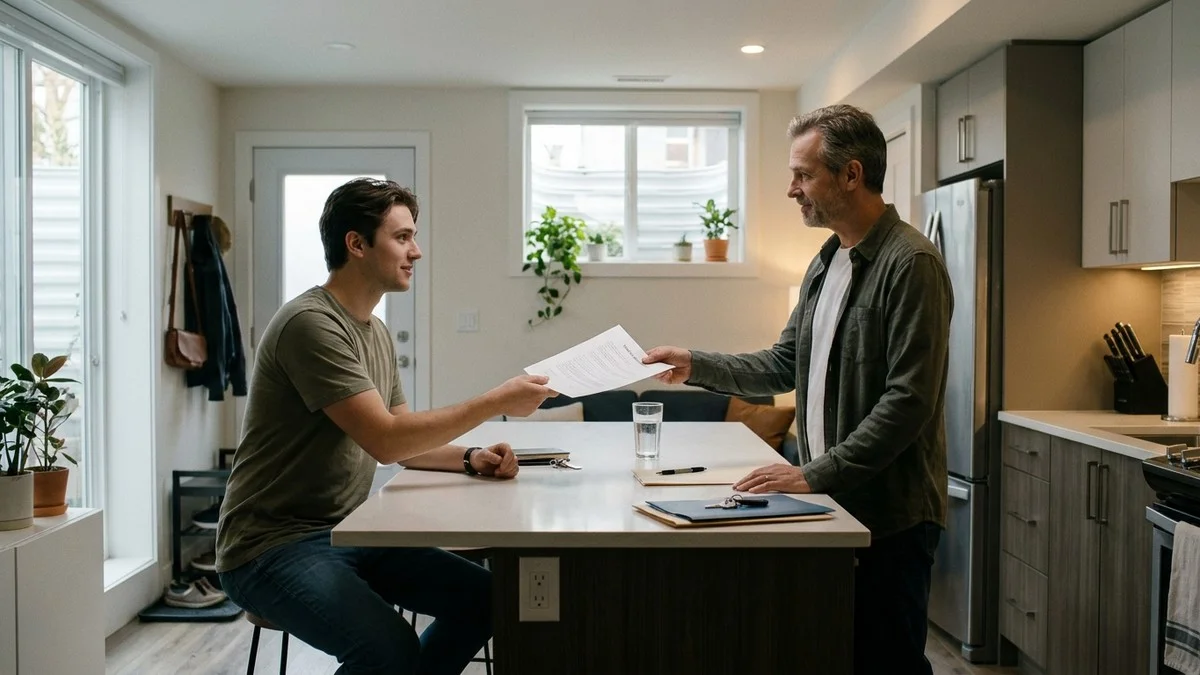
Surrey requires every suite to be registered. On the City's secondary suites page, a legal suite must meet zoning, have building permits, meet the BC Building Code and pay the suite fees. You register by sending the signed Secondary Suite Declaration Form to Property & Payment Services; the Secondary Suite Fee Web Inquiry shows a suite's status. The bylaw counts a suite by its cooking equipment and bathroom, whether it is rented, used by family or empty.
The suite fees can be paid by cash, cheque or debit; the City does not accept credit cards. A suite that is legalized through the City's process is added to the property tax account with the fees applied automatically. The City also points out that a legal suite can be insured, unlike an illegal one, and gives tenants more security of tenure.
What zoning rules limit a Surrey suite?
Surrey's page on building or legalizing a secondary suite sets out these Zoning Bylaw conditions for single family, semi-detached and duplex dwellings:
- One suite only per single family, semi-detached or duplex dwelling unit. The City says multiple suites in one of these dwellings are not permitted because of BC Building Code provisions.
- Size: a secondary suite's habitable floor area may not exceed 40% of the principal dwelling unit, and it cannot be a separate strata lot.
- No suite inside a coach house or garden suite.
- Title restrictions: each application is reviewed for Land Use Contracts and Building Schemes that can prohibit suites on specific properties.
If a suite already exists without a building permit, the owner must submit a building permit application to show it complies. The City says it reserves the right to enforce the Zoning and Building Bylaws on a property in breach now or in the future.
What happens after a suite complaint?
A City Bylaw Officer inspects. If a suite exists where one is not permitted, the officer explains the bylaw to the owner and what must be done to comply, and follow-up inspections check that it was done. An owner who removes a suite can ask Bylaws for an inspection (604-591-4516, option 2) after:
- getting an electrical permit before any electrical work;
- removing the stove and other cooking equipment, and the hood fan;
- disconnecting the stove outlet and covering it with drywall or a metal plate;
- removing the stove breaker from the electrical panel;
- for gas appliances, using a licensed contractor with permits from Technical Safety BC.
Removing a suite that a tenant lives in also ends that tenancy, which must follow the RTA; see every way a BC tenancy can end.
Can you run a short-term rental in Surrey?
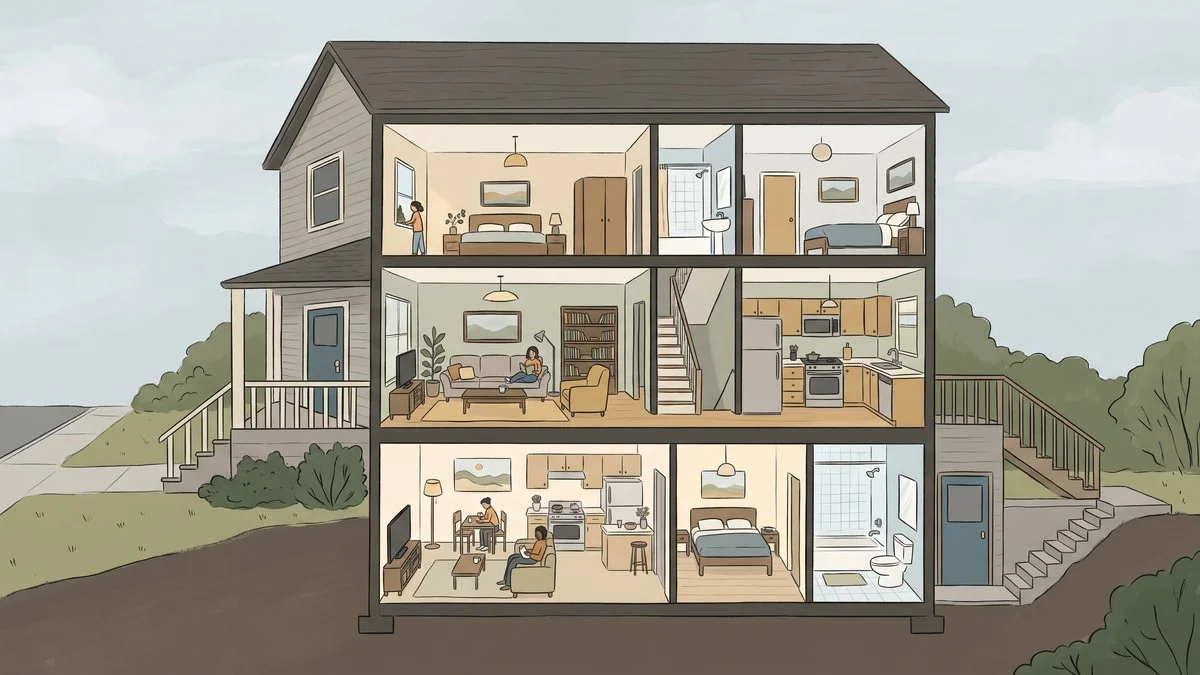
Only in your own home. Surrey defines a short-term rental as stays under 90 consecutive days; the owner must live on the property as their principal residence, and tenants cannot host. It is allowed in a house with up to one suite, coach house or garden suite, a townhouse unit, or an apartment with one lock-off suite. The City and the Province's enforcement unit both enforce it; see BC's principal residence requirement.
The owner can live in the same unit as the short-term rental or in another unit in the home or on the same lot. Bed and breakfasts, boarding and lodging, and tourist accommodation are not short-term rentals under the bylaw. For a breach, the City may issue bylaw notices or Municipal Ticket Informations, or start legal proceedings.
A Surrey landlord's checklist before the first tenant
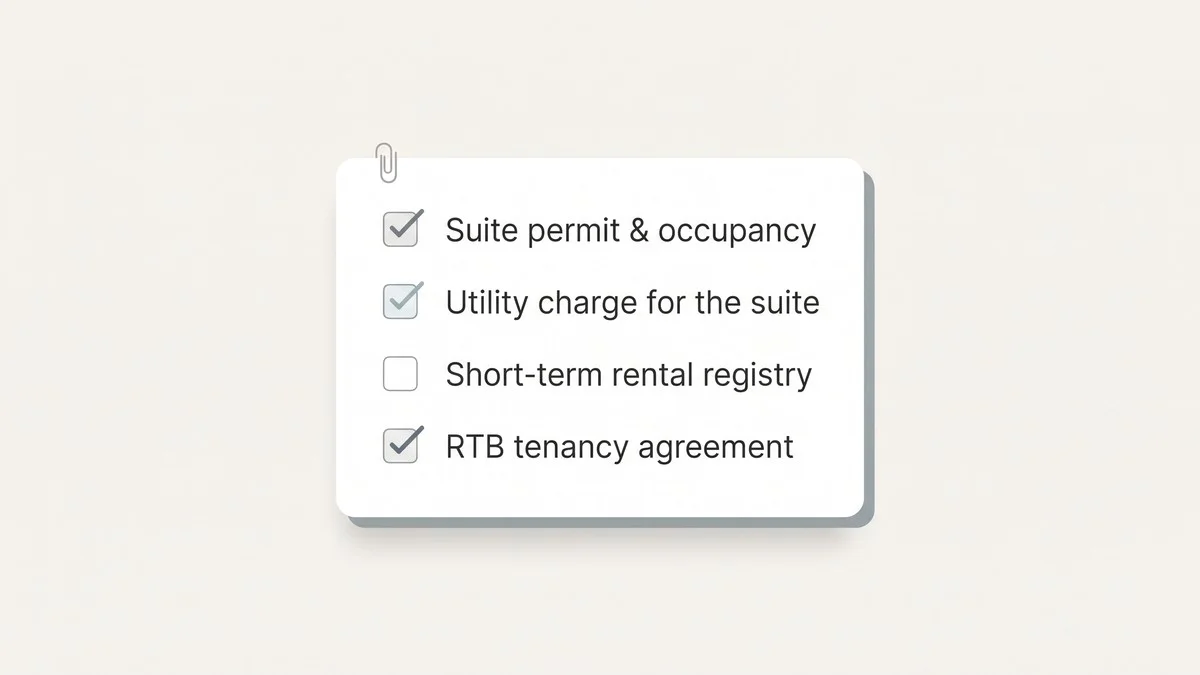
- Confirm the suite is legal under zoning and has its building permits, and register it with the declaration form.
- Budget the yearly fees: $893 per suite plus $172.04 for garbage, recycling and organics ($340 for two or more suites).
- Use a written tenancy agreement and take no more than half a month's rent as a security deposit, and no more than half a month's rent as a pet damage deposit (RTA s.19(1)).
- Do the move-in condition inspection with the tenant; see BC condition inspections.
- Diary the rent increase rules: one increase a year, within the 2027 limit of 2.2%.
- File the speculation and vacancy tax declaration each year.
Who do you call at the City?
| Question | Number |
|---|---|
| Zoning requirements | 604-591-4448 |
| Building permits and general inquiries | 604-591-4086 |
| Suite complaints and enforcement | 604-591-4370 |
| Suite registration and fees | 604-591-4516, option 2 |
| Short-term rental business licences | 604-591-4370, ext. 4 |
Frequently asked questions
Is Surrey in the speculation and vacancy tax area?
Yes. The Province lists the City of Surrey as a taxable area; see who must declare.
Can my tenant list the suite on a short-term rental site?
No. Surrey says only the property owner may host, and short-term rentals cannot be operated by tenants.
How much can I raise the rent in Surrey in 2027?
Up to 2.2%, the BC limit, with three months' notice on the approved form. Surrey has no separate cap.
What if my suite is not registered?
The City bills $1,000 for each unregistered suite it finds, so register first.
Can I have two suites in my Surrey house?
No. The Zoning Bylaw allows one secondary suite per single family, semi-detached or duplex dwelling.
Do I pay the suite fee if the suite is empty or used by family?
The bylaw decides whether a suite exists by its cooking equipment and bathroom, not by who lives there or whether it is vacant.
Start your Surrey tenancy in writing
Fill in the BC residential tenancy agreement before your tenant moves in.
Free • No signup required