Explore the library

Narrow 426 published guides by topic, province, who you are and the kind of help you need. Every filter shows how many guides it leaves.

Pick a province

Shaded tiles have guides written for that province.

267 of 426 guides

Showing guides matching “landlord”, newest first.

Results

  • Ending a BC Tenancy to Move In: The Three Month Notice (RTB-32L)General
    BCArticle

    Ending a BC Tenancy to Move In: The Three Month Notice (RTB-32L)

    A BC landlord who wants to move in, or move in a close family member, now gives 3 months' notice on a Three Month Notice (RTB-32L) generated on the RTB web portal. Who qualifies, the 5-unit rule, the 21-day dispute period and the compensation owed.

    8 min read
  • Federal Budget 2026: What It Means for Landlords and TenantsNews & Policy Updates
    CanadaNews

    Federal Budget 2026: What It Means for Landlords and Tenants

    OTTAWA, Nov. 5, 2026: Budget 2026 renews the Canada Housing Benefit for 10 years, opens insured financing for new triplexes, fourplexes and 5- to 50-unit buildings from February 1, 2027, and adds billions for homelessness and non-market housing.

    5 min read

  • Saskatchewan Landlord Guide: Every Rule in One PlaceRights & Legal
    SKGuide

    Saskatchewan Landlord Guide: Every Rule in One Place

    Saskatchewan's residential law is The Residential Tenancies Act, 2006, not The Landlord and Tenant Act. Every main rule for landlords on one page: leases, deposits, rent increases, notices, service, possession hearings and the ORT.

    12 min read
  • Repairs and Maintenance in Saskatchewan Rentals: Who Fixes WhatMaintenance & Repairs
    SKGuide

    Repairs and Maintenance in Saskatchewan Rentals: Who Fixes What

    Saskatchewan landlords must keep rentals in good repair and fit for habitation, including heating, plumbing and appliances; tenants keep units clean and fix damage they cause. Here is who fixes what and how the ORT enforces it.

    11 min read
  • Giving Notice to Move Out in Saskatchewan: A Tenant's GuideMoving & Settling
    SKHow-to

    Giving Notice to Move Out in Saskatchewan: A Tenant's Guide

    Saskatchewan month-to-month tenants give at least one month's written notice, counted from when the landlord receives it and ending the day before rent is due. Here is how to write it, deliver it and leave early when the Act allows.

    8 min read
  • Scheduling a BC Move-Out Inspection: Two Chances and the RTB-22Rights & Legal
    BCArticle

    Scheduling a BC Move-Out Inspection: Two Chances and the RTB-22

    In BC, a landlord must offer the tenant two opportunities for the move-out inspection, the second on the RTB-22 Notice of Final Opportunity. Here is how to schedule both, serve the notice in time and protect the deposit claim.

    8 min read
  • Subletting and Assigning in BC: When a Landlord Can Say NoLease & Agreements
    BCArticle

    Subletting and Assigning in BC: When a Landlord Can Say No

    In BC, a tenant can't sublet a unit or assign a tenancy without the landlord's written consent. With six months or more left on a fixed term the landlord can't unreasonably refuse, can't charge for consenting, and an unauthorized sublet is cause for a One Month Notice.

    9 min read
  • Smoke and Carbon Monoxide Alarms in BC Rentals: Who Installs, Tests and PaysSafety & Scam Prevention
    BCArticle

    Smoke and Carbon Monoxide Alarms in BC Rentals: Who Installs, Tests and Pays

    In BC, smoke alarms are mandatory in every rental unit and the landlord installs, tests and maintains them, while the tenant must not disable them and must report problems. Carbon monoxide alarms are recommended rather than required. Here is who does what.

    8 min read
  • Smoke Alarm Rules for Alberta RentalsSafety & Scam Prevention
    ABChecklist

    Smoke Alarm Rules for Alberta Rentals

    Alberta's Minimum Housing and Health Standards require smoke alarms between each sleeping area and the rest of the suite, working at all times. Here is where they go, who keeps them working, and a checklist for landlords and tenants.

    6 min read
  • Human Rights in BC Rentals: Who a Landlord Cannot RefuseRights & Legal
    BCArticle

    Human Rights in BC Rentals: Who a Landlord Cannot Refuse

    Section 10 of BC's Human Rights Code bars a landlord from refusing a tenant, or setting worse terms, because of 14 personal characteristics, including family status and lawful source of income. Here are the grounds, the narrow exceptions, and how complaints work.

    7 min read
  • Rent Receipts in BC: When a Landlord Must Give OneRent & Payments
    BCArticle

    Rent Receipts in BC: When a Landlord Must Give One

    Under BC's Residential Tenancy Act, a landlord must give a receipt for rent paid in cash. Here is what the law requires, what a good receipt shows, and why both sides should keep records for every other payment too.

    7 min read
  • Applying to Rent in BC: What a Landlord Can and Can't AskScreening & Applications
    BCArticle

    Applying to Rent in BC: What a Landlord Can and Can't Ask

    A BC landlord can ask for photo ID, references, rental history and, with your consent, a credit check. They can't charge an application fee, copy your ID, require your banking details before the tenancy, or refuse you on a Human Rights Code ground.

    9 min read
  • Tenant Got a 14-Day Notice in Alberta? Your OptionsRights & Legal
    ABGuide

    Tenant Got a 14-Day Notice in Alberta? Your Options

    Got a 14-day notice from your Alberta landlord? Pay all rent due before the termination date, or object in writing to a non-rent reason, and the notice has no effect. Here are your options and what happens next.

    9 min read
  • Rental Scams in BC: How Tenants Spot Fake ListingsSafety & Scam Prevention
    BCArticle

    Rental Scams in BC: How Tenants Spot Fake Listings

    A BC rental scam usually asks for money before you have seen the unit or signed a tenancy agreement. Here are the warning signs the RCMP and the Competition Bureau list, the BC rules a real landlord follows, and where to report.

    8 min read
  • Bed Bugs in an Ontario Rental: Who Pays and Who Treats?Maintenance & Repairs
    ONArticle

    Bed Bugs in an Ontario Rental: Who Pays and Who Treats?

    When there are bed bugs in an Ontario rental, the landlord arranges and pays for treatment in most cases. Here is when a tenant can be charged, what tenants must do, and the routes when nothing happens.

    12 min read
  • Yukon Rent Control Ends December 1: What ChangesNews & Policy Updates
    YTNews

    Yukon Rent Control Ends December 1: What Changes

    WHITEHORSE, Oct. 29, 2026: Yukon's Bill 8 removes the rent cap from December 1. Rent increases will need six months' notice, and landlords can end a tenancy without a reason on six months' notice.

    4 min read
  • Who Pays for Furnace or Heat Pump Repairs in an Ontario Rental?Maintenance & Repairs
    ONArticle

    Who Pays for Furnace or Heat Pump Repairs in an Ontario Rental?

    The landlord pays for heating repairs caused by age and normal use; the tenant pays only for undue damage caused wilfully or negligently. Where the line falls, and how a landlord recovers the cost.

    9 min read
  • How a Tenant Gives Notice to End a Tenancy in AlbertaMoving & Settling
    ABHow-to

    How a Tenant Gives Notice to End a Tenancy in Alberta

    How to give your landlord notice in Alberta: the notice period for weekly, monthly, yearly and fixed-term tenancies, what the notice must say, how to serve it and what happens if it is late.

    9 min read
  • Mice or Rats in a BC Rental: Is the Landlord Responsible?Maintenance & Repairs
    BCArticle

    Mice or Rats in a BC Rental: Is the Landlord Responsible?

    Whether a BC landlord must deal with mice or rats depends on the repair duty in the Residential Tenancy Act and your city's standards of maintenance bylaw. Here is how the pieces fit.

    10 min read
  • How Much Notice Does an Ontario Landlord Need to Replace Windows?Maintenance & Repairs
    ONArticle

    How Much Notice Does an Ontario Landlord Need to Replace Windows?

    In Ontario, a notice to enter for window replacement must be written and given 24 hours ahead with the reason, day and a time between 8 a.m. and 8 p.m. How to serve it, and the separate 60-day project notice.

    11 min read
  • Bed Bugs in a BC Rental: Who Pays for Treatment?Maintenance & Repairs
    BCArticle

    Bed Bugs in a BC Rental: Who Pays for Treatment?

    In British Columbia the landlord is generally responsible for treating bed bugs. Here is who pays, when a tenant can be charged, and how notice to enter works.

    12 min read
  • How Much Notice Before Pest Control in a BC Rental?Maintenance & Repairs
    BCArticle

    How Much Notice Before Pest Control in a BC Rental?

    Two separate notices usually apply before a pest treatment in a BC rental: the landlord's 24-hour entry notice and the licensed applicator's 72-hour treatment notice.

    10 min read
  • How Much Notice Is Needed for a Rent Increase in Alberta?Rights & Legal
    ABFAQ

    How Much Notice Is Needed for a Rent Increase in Alberta?

    An Alberta landlord must give 3 tenancy months' written notice for a monthly tenancy, 12 tenancy weeks for weekly, and 90 days for others. Here is how to count it and spot a void notice.

    7 min read
  • RTDRS or Court? Choosing Where to Bring an Alberta Tenancy DisputeRights & Legal
    ABComparison

    RTDRS or Court? Choosing Where to Bring an Alberta Tenancy Dispute

    In Alberta, landlords and tenants can take most tenancy disputes to the Residential Tenancy Dispute Resolution Service (RTDRS) or to court, and the first filing binds both sides. Here is how the two compare on cost, limits, remedies and appeals.

    7 min read
  • Alberta Late Rent Fees and NSF Charges: Is There a Limit?Rent & Payments
    ABFAQ

    Alberta Late Rent Fees and NSF Charges: Is There a Limit?

    Alberta sets no maximum for late rent fees or NSF charges. A fee must be in the tenancy agreement, and one that goes beyond the landlord's real loss can be waived by RTDRS or a court.

    6 min read
  • Alberta Landlord Notice to End a Monthly Tenancy: Allowed ReasonsRights & Legal
    ABGuide

    Alberta Landlord Notice to End a Monthly Tenancy: Allowed Reasons

    An Alberta landlord can end a month-to-month tenancy only for a reason the law lists, with 3 tenancy months' notice (365 days for major renovations). Here is each reason, what does not qualify, and how to count the notice.

    8 min read
  • National Heat Pump Rebate: Can Landlords and Tenants Apply?News & Policy Updates
    CanadaNews

    National Heat Pump Rebate: Can Landlords and Tenants Apply?

    CANADA, Oct. 25, 2026: Ottawa's new National Heat Pump Rebate pays $2,000, or up to $10,000 below the median income, from early 2027. Here is what the federal text says, and does not say, about rentals.

    5 min read

  • Utilities in a BC Tenancy: Who Pays and How to Split ThemLease & Agreements
    BCArticle

    Utilities in a BC Tenancy: Who Pays and How to Split Them

    In BC, the tenancy agreement decides who pays for utilities. Once a utility is included in the rent, a landlord can't take it away or charge extra without following section 27 of the Residential Tenancy Act, and shared bills need a written split.

    10 min read
  • Illegal Clause in Your BC Lease? What Tenants Can DoRights & Legal
    BCArticle

    Illegal Clause in Your BC Lease? What Tenants Can Do

    Found a clause in your BC lease that breaks the rules? How to confirm it, raise it with your landlord in writing, get money back, keep your tenancy safe and take it to the RTB.

    9 min read
  • Skip the Inspection, Lose the Deposit Claim: The BC RuleRights & Legal
    BCArticle

    Skip the Inspection, Lose the Deposit Claim: The BC Rule

    In BC, a landlord who skips a condition inspection or never gives the tenant the report loses the right to claim against the deposit for damage. What you keep, and how to avoid paying double.

    10 min read
  • Form K: The Strata Notice of Tenant's ResponsibilitiesGeneral
    BCHow-to

    Form K: The Strata Notice of Tenant's Responsibilities

    Form K is the BC strata form every landlord must give a tenant before renting, with a signed copy to the strata within two weeks. Here is how to fill it in and what happens if you miss it.

    8 min read
  • Emergency Repairs in BC: When a Tenant Can Fix It and Bill YouMaintenance & Repairs
    BCArticle

    Emergency Repairs in BC: When a Tenant Can Fix It and Bill You

    Under section 33 of BC's Residential Tenancy Act, a tenant can arrange an emergency repair and be reimbursed, or deduct it from rent. Here are the conditions, the paperwork and when a landlord can refuse.

    9 min read
  • Breaking a Fixed-Term Lease in BC: What a Tenant OwesRights & Legal
    BCArticle

    Breaking a Fixed-Term Lease in BC: What a Tenant Owes

    Breaking a BC lease does not automatically cost the rest of the term. Here is what a landlord can claim, the landlord's duty to re-rent, and the lawful ways to leave early.

    9 min read
  • BC Landlord Entry Rules: 24 Hours' Written NoticeRights & Legal
    BCGuide

    BC Landlord Entry Rules: 24 Hours' Written Notice

    A BC landlord may enter a rental unit only in six situations, most often with 24 hours' written notice. Here is what the notice must say, how to time it, and what each side can do when rules are broken.

    9 min read
  • What Happens at an RTB Hearing: A WalkthroughRights & Legal
    BCArticle

    What Happens at an RTB Hearing: A Walkthrough

    A step-by-step walkthrough of a BC Residential Tenancy Branch hearing for landlords and tenants: what to prepare, who speaks first, conduct on the call, and what happens after the decision.

    9 min read
  • Landlord Won't Do Repairs? How BC Tenants Get Them DoneRights & Legal
    BCArticle

    Landlord Won't Do Repairs? How BC Tenants Get Them Done

    If your BC landlord will not fix a problem, you do not have to withhold rent or do it yourself. Here is the path from a written request to an RTB order for repairs, a rent reduction and compensation.

    9 min read
  • Alberta Landlord Guide: Every Rule in One PlaceGeneral
    ABGuide

    Alberta Landlord Guide: Every Rule in One Place

    Every core rule for Alberta landlords on one page: leases, the one-month deposit cap, inspection reports, rent increases, entry, repairs, notices, the RTDRS and deposit returns.

    12 min read
  • Giving Notice as a BC Tenant: One Clear MonthRights & Legal
    BCArticle

    Giving Notice as a BC Tenant: One Clear Month

    BC tenants must give written notice that reaches the landlord a full rental month before they leave. Here is how to count it, what to include, and what to do before move-out.

    8 min read
  • Repairs and Maintenance in BC: The Landlord's Legal DutyMaintenance & Repairs
    BCArticle

    Repairs and Maintenance in BC: The Landlord's Legal Duty

    Section 32 of BC's Residential Tenancy Act puts most repairs on the landlord. Here is what the duty covers, the tenant's share, how requests should work, and what the RTB can order.

    9 min read
  • Renting Out a Strata Unit in BC: The Complete GuideGeneral
    BCGuide

    Renting Out a Strata Unit in BC: The Complete Guide

    BC stratas can no longer ban long-term rentals, but strata landlords still owe the tenant the bylaws and a Form K, and owe the strata a signed copy within two weeks.

    10 min read
  • Tenant Rights in BC: What Your Landlord Can't DoRights & Legal
    BCArticle

    Tenant Rights in BC: What Your Landlord Can't Do

    Entry without notice, guest fees, lockouts, cut-off services and other things a BC landlord cannot do under the Residential Tenancy Act, and what you can do about them.

    10 min read
  • When a BC Landlord Must Pay Back Double the DepositRights & Legal
    BCArticle

    When a BC Landlord Must Pay Back Double the Deposit

    If your BC landlord does not return your deposit, get your written agreement or apply to the RTB within 15 days, you may be owed double. Here is how it works.

    8 min read
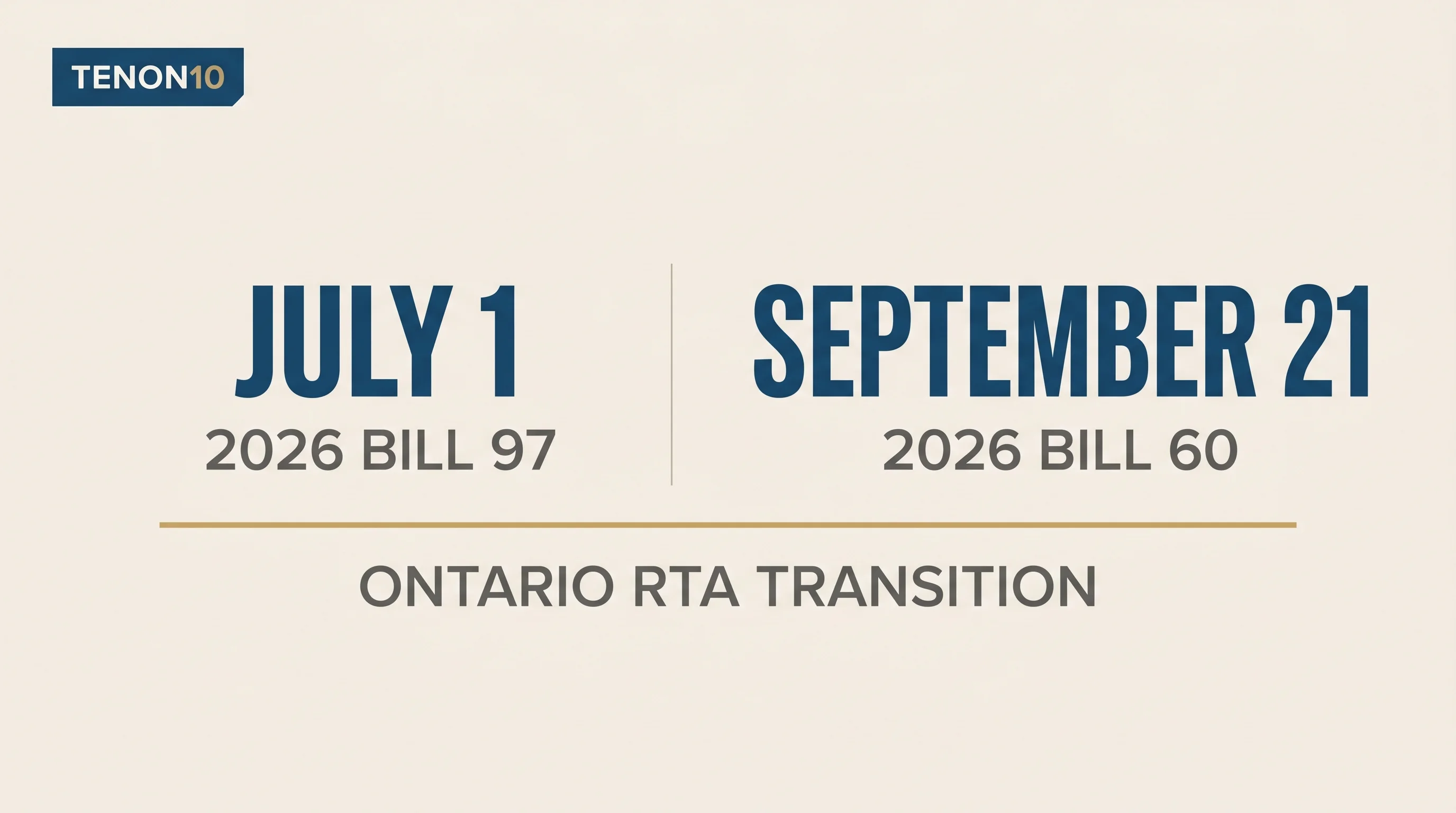
  • The Renoviction Paper Trail: N13 Documents and the Right of First Refusal After September 21Rights & Legal
    ONArticle

    The Renoviction Paper Trail: N13 Documents and the Right of First Refusal After September 21

    An N13 renoviction runs on paper, and from September 21, 2026 there's more of it: Bill 97 amends the RTA's right-of-first-refusal rules, adding written-notification duties for landlords once a tenant has preserved the right — including keeping the tenant updated when the completion date slips, which it usually does. Th

    12 min read
  • The 15-Day Review Window: How to Challenge an LTB Order Before It's FinalRights & Legal
    ONArticle

    The 15-Day Review Window: How to Challenge an LTB Order Before It's Final

    Since July 1, 2026, the clock to challenge a Landlord and Tenant Board order has run half as long: a Request to Review must be filed within 15 days of the order's issue date — down from 30 — under new s.209(3) of the RTA, with orders issued before that date keeping the old deadline. Two months in, the mistakes have a p

    12 min read
  • The LTB Order Catalogue: How to Use Ontario's New Public Orders — LawfullyRights & Legal
    CanadaArticle

    The LTB Order Catalogue: How to Use Ontario's New Public Orders — Lawfully

    Since July 24, 2026, the Landlord and Tenant Board's final orders have been publishing to Ontario's Open Data Catalogue — free, no login, monthly updates, with history filling back to December 2021 in phases. It's the biggest transparency shift the rental market has seen in years, and the most misused tool of the fall:

    11 min read
  • Mississauga's Renoviction Licence Starts September 1: What Landlords Need to KnowRights & Legal
    ONArticle

    Mississauga's Renoviction Licence Starts September 1: What Landlords Need to Know

    From September 1, 2026, serving an N13 in Mississauga starts a second clock the province doesn't run: within seven days, the landlord must apply to the City for a Rental Repairs and Renovations Licence — and no work starts, and no tenant leaves, until both the building permit and the licence are in hand. Here's the mun

    12 min read
  • The Listing Workflow for 50+ Unit PortfoliosGeneral
    ONArticle

    The Listing Workflow for 50+ Unit Portfolios

    One landlord writing one listing is a craft problem. Fifty listings a year across a dozen buildings is a systems problem, and the two have almost nothing in common. This is the operator's guide to listing at scale: the template architecture that keeps every ad Human Rights Code-compliant without a lawyer reviewing each

    16 min read
  • How Property Managers Can Cut Vacancy DaysGeneral
    ONArticle

    How Property Managers Can Cut Vacancy Days

    A single landlord loses a fortnight and feels it. A property manager running eighty units loses a fortnight per turnover and calls it normal — because nobody has ever put a portfolio number on it. This is the operator's guide to vacancy days: where they actually accumulate across a portfolio (rarely where owners think)

    17 min read
  • The Leasing Funnel: How to Measure Why Your Unit Isn't RentingMarket Trends
    ONArticle

    The Leasing Funnel: How to Measure Why Your Unit Isn't Renting

    Every stalled listing has a specific broken stage, and almost no Ontario landlord knows which one theirs is. Views without enquiries is a pricing or photography problem. Enquiries without showings is a reply problem. Showings without applications means the unit or the listing is overselling. Applications without a sign

    18 min read
  • How Long Does It Take to Rent a Unit in Ontario?Market Trends
    ONArticle

    How Long Does It Take to Rent a Unit in Ontario?

    Days-on-market is the number every Ontario landlord guesses at and almost nobody measures — and the guess usually runs in the expensive direction. This piece puts a real figure on it: what current listing data says about how long a unit actually sits in Toronto, Ottawa, Hamilton, and the smaller Ontario markets, why th

    20 min read
  • Free Rental Listing Tools for Ontario LandlordsTools & Evaluations
    ONArticle

    Free Rental Listing Tools for Ontario Landlords

    The listing process is full of jobs a free tool does better than willpower — pricing sanity checks, photo prep, description drafting, deposit math, scam checks, and the paperwork around a signed lease. Here's the honest toolkit for Ontario landlords: the free tools worth bookmarking for each job in the listing workflow

    12 min read
  • The Best Free Rental Listing Sites in CanadaRental Pricing & ROI
    CanadaArticle

    The Best Free Rental Listing Sites in Canada

    Free rental listing sites are genuinely good now — the question is which ones earn a spot in your posting routine, because "free" varies: some sites are free forever, some are free tiers with paid upsells, and some are free in one city and paid in another. Here's the honest ranking for Canadian landlords: the sites wor

    12 min read
  • What an Empty Unit Actually Costs You Per DayFinances & Budgeting
    ONArticle

    What an Empty Unit Actually Costs You Per Day

    Every landlord knows vacancy costs money; almost none has done the arithmetic — which is why units sit unlisted for "just another week" of painting, and why underpriced-versus-vacant decisions get made on instinct. Here's the per-day math done properly: what an empty unit costs in rent alone, what it costs fully loaded

    13 min read
  • The Human Rights Code and Rental Advertising: What Ontario Landlords Can't SayRights & Legal
    ONArticle

    The Human Rights Code and Rental Advertising: What Ontario Landlords Can't Say

    Rental ad discrimination rarely looks like discrimination — it looks like friendliness: "perfect for young professionals," "ideal for a quiet couple," "great family neighbourhood." Under Ontario's Human Rights Code, the ad is where compliance starts, and warmly-phrased tenant preferences are the same violation as blunt

    14 min read
  • Rental Listing Scams in Ontario: How Landlords and Tenants Both Get BurnedSafety & Scam Prevention
    ONArticle

    Rental Listing Scams in Ontario: How Landlords and Tenants Both Get Burned

    Rental scams run in both directions, and most guides only warn one side. Tenants get burned by cloned listings, phantom units, and deposit-wire pressure; landlords get burned by their own photos scamming their own applicants, fake pay stubs, and overpayment cheques. Here's the two-sided defence: the scam patterns by na

    13 min read
  • Tenant Reference Check Questions That Actually WorkScreening & Applications
    ONArticle

    Tenant Reference Check Questions That Actually Work

    The reference call is screening's cheapest instrument and its most badly run: most landlords either skip it, ask questions that invite rehearsed answers, or drift into territory the Human Rights Code governs even on a phone call. Here's the call done properly — why previous landlords beat current ones, the twelve quest

    13 min read
  • How to Run a Tenant Credit Check in OntarioScreening & Applications
    ONArticle

    How to Run a Tenant Credit Check in Ontario

    The tenant credit check is the most misunderstood step in Ontario screening — landlords fear it's complicated, applicants fear it hurts their score, and both fears are out of date. Here's the whole process: the written consent that must come first, where to actually run the check (and what each route costs), why rental

    13 min read
  • Rental Listing Description Templates for Ontario LandlordsTools & Evaluations
    ONArticle

    Rental Listing Description Templates for Ontario Landlords

    Five ready-to-use rental listing templates — basement suite, condo one-bedroom, family house, student unit, and executive rental — each built on the six-part method: a factual headline, a lede that proves you've met the unit, the complete facts block, specifics instead of adjectives, a response promise, and Ontario's l

    13 min read
  • Can You Refuse a Tenant With Pets in Ontario?Rights & Legal
    ONArticle

    Can You Refuse a Tenant With Pets in Ontario?

    Ontario pet law does something almost nobody expects, and both sides routinely get it backwards: at the application stage, a landlord may generally choose not to rent to someone because they have a pet — but once the tenancy exists, a "no pets" lease clause is void, and a tenant who gets a pet after moving in usually c

    11 min read
  • Can You Ask for First and Last Month's Rent in Ontario?Rights & Legal
    ONArticle

    Can You Ask for First and Last Month's Rent in Ontario?

    Yes — and almost everything attached to that yes is where landlords get into trouble and tenants overpay. First month's rent is just rent; last month's is Ontario's only legal deposit, capped at one rental period, earning interest every year at that year's guideline rate. Damage, security, cleaning, and pet deposits ar

    12 min read
  • Where to List a Rental in Ontario: 9 Sites ComparedTools & Evaluations
    ONArticle

    Where to List a Rental in Ontario: 9 Sites Compared

    Nine places Ontario landlords actually list rentals — Kijiji, Facebook Marketplace, Craigslist, Rentals.ca, Zumper, PadMapper, ViewIt.ca, RentSeeker, and the agent-gated Realtor.ca — compared honestly on cost, audience, posting friction, scam exposure, and where each one earns its place. Dated cells, no pay-to-play, an

    14 min read
  • The N1 Window for 2027 Opens October 3: Serve-Date Math for the 1.9% YearRent & Payments
    ONArticle

    The N1 Window for 2027 Opens October 3: Serve-Date Math for the 1.9% Year

    Ontario's 2027 rent increase guideline is 1.9% — and the first day a landlord can serve an N1 for a January 1, 2027 increase is October 3, 2026, exactly 90 days out. This is the timing piece: the serve-date math for any 2027 effective date, the 12-month rule check, what the effective date controls (including which year

    15 min read
  • Can You Screen a Tenant Using LTB Orders? What the Human Rights Code Actually AllowsScreening & Applications
    ONArticle

    Can You Screen a Tenant Using LTB Orders? What the Human Rights Code Actually Allows

    LTB orders became public data on July 24, 2026, and the screening question became live the same day: can a landlord look up a prospective tenant's Board history — and act on it? The honest answer has two halves: no law forbids reading a public order, and the Human Rights Code governs every rental decision exactly as it

    14 min read

  • Renoviction Licensing by Ontario City: Toronto, Hamilton and Ottawa ComparedRights & Legal
    ONArticle

    Renoviction Licensing by Ontario City: Toronto, Hamilton and Ottawa Compared

    Three Ontario cities now license renovation evictions, and a pattern has emerged: all three give landlords seven days from the N13 to apply, and almost everything else differs — Hamilton charges $715 per unit with annual renewals, Toronto $700 with compensation proven before approval, and Ottawa (from January 1, 2027)

    15 min read
  • Ottawa's Renoviction Bylaw: What Landlords Must Do Before January 1, 2027Rights & Legal
    ONArticle

    Ottawa's Renoviction Bylaw: What Landlords Must Do Before January 1, 2027

    Ottawa city council passed its Rental Renovation Licence bylaw 21–5 on July 15, 2026, and it takes effect January 1, 2027: a municipal licence within 7 days of issuing an N13, a building permit secured before the notice goes out, and a city-produced tenant rights guide served alongside it. Here's what the bylaw actuall

    15 min read
  • LTB Orders Are Now Public: What Ontario's Open Data Release Means for LandlordsRights & Legal
    ONArticle

    LTB Orders Are Now Public: What Ontario's Open Data Release Means for Landlords

    As of July 24, 2026, the LTB's final orders are public data: every non-confidential order from January through May 2026 is live on Ontario's Open Data Catalogue, with orders back to 2021 following in phases and new ones publishing monthly — on a disclosed 2-to-3-month lag. This guide covers what's in the release and wh

    15 min read
  • Tenon10 vs Propertyware: Which Fits Canadian Landlords?Tools & Evaluations
    CanadaArticle

    Tenon10 vs Propertyware: Which Fits Canadian Landlords?

    This is the last comparison in our series, and it's about a kinship: both of these tools care about single-family rentals — the scattered houses, duplexes, and townhomes that make up most Canadian landlords' portfolios. Propertyware has spent almost twenty years serving that segment at company scale: it's built, in its

    15 min read
  • Tenon10 vs Yardi Breeze: Which Fits Canadian Landlords?Tools & Evaluations
    CanadaArticle

    Tenon10 vs Yardi Breeze: Which Fits Canadian Landlords?

    Yardi Breeze is the friendliest door into one of the oldest names in property software — per-unit pricing, no onboarding fees, and a product line that runs from Breeze through Premier to Voyager, the enterprise platform that costs more per year than most small portfolios gross. That's the honest frame for this comparis

    15 min read
  • Tenon10 vs Landlord Studio: Which Fits Canadian Landlords?Tools & Evaluations
    CanadaArticle

    Tenon10 vs Landlord Studio: Which Fits Canadian Landlords?

    Here's a comparison between twins of a different kind: both of these tools give a 1-to-3-unit landlord a genuinely free plan — not a trial, a product. Landlord Studio pairs its free tier with the deepest DIY bookkeeping stack at this end of the market: live bank feeds, receipt scanning, smart rules that sort your trans

    15 min read
  • Tenon10 vs Rentec Direct: Which Fits Canadian Landlords?Tools & Evaluations
    CanadaArticle

    Tenon10 vs Rentec Direct: Which Fits Canadian Landlords?

    Here's the strangest comparison in our series: these two tools chose almost the same shape. Rentec Direct's entry plans run $45–$55 USD a month covering up to 25 units; Tenon10's Pro runs $49 CAD for the same twenty-five. Both price flat. Both publish their numbers. Neither requires a contract. Both get praised by revi

    15 min read
  • Tenon10 vs TenantCloud: Which Fits Canadian Landlords?Tools & Evaluations
    CanadaArticle

    Tenon10 vs TenantCloud: Which Fits Canadian Landlords?

    This is the closest price matchup in our comparison series: TenantCloud's entry plan runs $15–$17 USD a month, unlimited units on every tier, with a genuinely devoted small-landlord following — and Tenon10's Essentials runs $9.99 CAD for up to ten. No sales floors, no enterprise minimums, no assembled-bill shock: two s

    15 min read
  • Tenon10 vs liv.rent: Which Fits Canadian Landlords?Tools & Evaluations
    CanadaArticle

    Tenon10 vs liv.rent: Which Fits Canadian Landlords?

    For the first time in this series, the comparison isn't decided before it starts. liv.rent is Canadian — Vancouver-built, CAD-priced, genuinely liked — so the two arguments that carried our Buildium, AppFolio, and DoorLoop pages simply don't apply. What's left is a better question than "which is cheaper in whose curren

    15 min read
  • Tenon10 vs DoorLoop: Which Fits Canadian Landlords?Tools & Evaluations
    CanadaArticle

    Tenon10 vs DoorLoop: Which Fits Canadian Landlords?

    This is the first comparison in our series without an easy answer built in. DoorLoop names Canada in its own positioning, starts at a price a small landlord can say out loud, offers a real free trial, and earns reviews in the 4.5-to-5-star range. So this page does the two jobs a genuine comparison requires: it assemble

    15 min read
  • Tenon10 vs AppFolio: Which Fits Canadian Landlords?Tools & Evaluations
    CanadaArticle

    Tenon10 vs AppFolio: Which Fits Canadian Landlords?

    Here's the shortest honest comparison on the internet: AppFolio doesn't sell to portfolios under 50 units — so if you're a Canadian landlord with a duplex, a fourplex, or anything under two dozen doors, one of these platforms won't take you as a customer, and the other was built for you. This page covers the rest prope

    15 min read
  • Tenon10 vs Buildium: Which Fits Canadian Landlords?Tools & Evaluations
    CanadaArticle

    Tenon10 vs Buildium: Which Fits Canadian Landlords?

    Buildium is excellent software — for a US property management company running 50 to 1,000 doors. If that's you, close this tab and go demo it. But if you're a Canadian landlord with a basement suite, a triplex, or a growing portfolio under 25 units, you'd be paying US-company prices in US dollars for US workflows — and

    16 min read
  • Handling Tenant Complaints in Ontario: The System That Turns Problems Into TrustRights & Legal
    ONArticle

    Handling Tenant Complaints in Ontario: The System That Turns Problems Into Trust

    Every complaint a tenant brings you is two things at once: a problem to fix and a test of whether your word means anything. Ontario landlords who handle complaints well run a system — acknowledgment inside a day, categories that route urgent from routine, one written record per issue, and a close-the-loop message when

    22 min read
  • Is Being a Landlord in Toronto Still Worth It? An Honest Look at the NumbersMarket Trends
    ONArticle

    Is Being a Landlord in Toronto Still Worth It? An Honest Look at the Numbers

    Every answer to this question has an expiry date, and most of the internet quotes numbers three years past theirs. Here is the honest 2026 version: the LTB's real wait times, the investor math that stopped working, what changed with rates and rents — and the date on which every figure in this article stops being true.

    28 min read
  • Accidental Landlord in Ontario: You Inherited or Kept a Property — Now What?Rights & Legal
    ONArticle

    Accidental Landlord in Ontario: You Inherited or Kept a Property — Now What?

    Nobody asked whether you wanted to be a landlord. A parent died, or a move happened, and now there's a tenancy with your name on it — a rent you didn't set, terms you didn't write, a deposit you never took. The lease is attached to the property, not the person. You stepped into the shoes, and the Act doesn't care that

    28 min read
  • Condo Rentals in Toronto: Board Rules, Status Certificates and What Landlords MissRights & Legal
    ONArticle

    Condo Rentals in Toronto: Board Rules, Status Certificates and What Landlords Miss

    Your lease is not where the rules live. A condo tenant is bound by a declaration they never signed — and when they breach it, the corporation doesn't chase them. It charges you, and the charge attaches to your unit ahead of your mortgage. Here's the second rulebook, and the deadline most owners miss by three weeks.

    26 min read
  • Managing a Toronto Rental While Living Elsewhere: The Remote Landlord's GuideRights & Legal
    ONArticle

    Managing a Toronto Rental While Living Elsewhere: The Remote Landlord's Guide

    Moving away doesn't change your obligations under the RTA — but crossing the tax-residency line changes who your tenant owes money to. A Tax Court case put six years of your tax bill on a tenant who had no idea. Here's what actually changes when you leave, and what to set up before you go.

    26 min read
  • Tenant Screening in Ontario: What the Human Rights Code Actually Lets You AskRights & Legal
    ONArticle

    Tenant Screening in Ontario: What the Human Rights Code Actually Lets You Ask

    Most Ontario landlords screen on income first — three times the rent, or a 30% cut-off. The Human Rights Commission says that rule is illegal, and the regulation makes income the one tool you can't use on its own. Credit and rental history can stand alone. Income can't. Here's what you may actually ask.

    24 min read
  • Garden Suites & Laneway Homes in Toronto: The Landlord's GuideMarket Trends
    ONArticle

    Garden Suites & Laneway Homes in Toronto: The Landlord's Guide

    Your lot decides which rulebook you get: touch a public laneway and it's a laneway suite, don't and it's a garden suite. You get one, never both. But the two things most likely to kill the project — emergency access and a protected tree — aren't in the zoning bylaw at all.

    24 min read
  • The Ontario Municipal Landlord Licensing Tracker: Which Cities Require a Licence in 2026Market Trends
    ONArticle

    The Ontario Municipal Landlord Licensing Tracker: Which Cities Require a Licence in 2026

    There's no province-wide landlord licence in Ontario — licensing is municipal, patchwork, and changing fast. Some cities license small rentals of 1–4 units; others only register large apartment buildings; many require nothing. This tracker sorts the two regimes city by city, with a hard verify-lesson: the fee you read

    11 min read
  • Vacancy Rates by Ontario City: Where Units Sit Empty and Where They Don'tMarket Trends
    ONArticle

    Vacancy Rates by Ontario City: Where Units Sit Empty and Where They Don't

    Ontario's rental market just loosened for the first time in years — Toronto's purpose-built vacancy rate hit 3.0% in the latest CMHC survey, a level it hadn't seen since before the pandemic. But a vacancy rate is the most misread number in a landlord's toolkit. A rising rate doesn't mean "avoid this city," and a very l

    13 min read
  • Best Neighbourhoods to Buy Student Rentals: Waterloo, London & KingstonMarket Trends
    ONArticle

    Best Neighbourhoods to Buy Student Rentals: Waterloo, London & Kingston

    Student rentals are their own asset class — different tenant, different lease, different rules — and in 2026 they're at an inflection point. Ottawa cut Ontario's study-permit allocation 42% this year, and the pullback is reshaping every university town: landlords who once had September bidding wars are now offering one

    16 min read
  • Tenon10 on Your Phone: What Works Today, What's Coming, and the Mobile-First Landlord WorkflowPlatform & Product
    CanadaArticle

    Tenon10 on Your Phone: What Works Today, What's Coming, and the Mobile-First Landlord Workflow

    Landlording is a mobile job that most software treats as a desk job — showings, move-in photos, the furnace invoice in your hand, the e-Transfer that arrives while you're in line for coffee. Tenon10's iOS and Android apps are officially coming soon, and this guide is honest about exactly that: what the platform publicl

    13 min read
  • Keya, Explained: Inside Tenon10's AI Copilot for LandlordsPlatform & Product
    CanadaArticle

    Keya, Explained: Inside Tenon10's AI Copilot for Landlords

    Every property platform now claims an AI. The honest questions are: what can it actually see, what can it actually do, and what happens when it's wrong? This deep-dive walks through Keya, Tenon10's AI copilot, the way a landlord meets it — plain-English answers drawn from your own ledger ("What's my collection rate thi

    14 min read
  • Tenon10 Feature Deep-Dive: The Accounting ModulePlatform & Product
    CanadaArticle

    Tenon10 Feature Deep-Dive: The Accounting Module

    Most landlords don't have an accounting problem in April — they have a records problem all year that becomes visible in April. This deep-dive walks through Tenon10's accounting module the way a landlord actually meets it: the ledger that builds itself as rent comes in (card, bank, e-Transfer, even cash — one ledger), t

    14 min read
  • Best Toronto Neighbourhoods to Buy a Rental PropertyNeighbourhood & Location
    ONArticle

    Best Toronto Neighbourhoods to Buy a Rental Property

    Toronto isn't one rental market — it's dozens stitched together, and the neighbourhood decides the business you're buying. This landlord's guide maps the city the way an underwriter would: the value zones (Scarborough, Etobicoke, York–East York) where secondary suites and multiplexes cash-flow, the transit corridors (C

    19 min read
  • Landlord Insurance in Ontario: What's Standard, What It Costs, and Where the Gaps AreFinances & Budgeting
    ONArticle

    Landlord Insurance in Ontario: What's Standard, What It Costs, and Where the Gaps Are

    A homeowner policy does not cover a rental — most Ontario landlords learn that one the expensive way. This guide covers what standard landlord insurance actually includes (structure, liability, lost rental income), what the common endorsements add (sewer backup, overland flood, legal expenses), what a typical policy co

    15 min read
  • Removing a Tenant Without Eviction: The Legal Alternatives to the LTB QueueRights & Legal
    ONArticle

    Removing a Tenant Without Eviction: The Legal Alternatives to the LTB Queue

    Not every tenancy has to end at the Landlord and Tenant Board. Ontario law gives landlords and tenants several legal ways to part company without an eviction hearing — the N11 mutual agreement and cash-for-keys deal, the tenant's own N9 notice, assignment, and negotiated moves — each faster than the queue when done rig

    15 min read
  • The LTB Process, End to End: From First Notice to Final EnforcementRights & Legal
    ONArticle

    The LTB Process, End to End: From First Notice to Final Enforcement

    Every LTB journey follows the same road: a notice, an application on the Tribunals Ontario Portal, a queue, a fork at mediation, a hearing, an order — and sometimes the Sheriff. This pillar guide maps the entire process end to end for landlords, tenants, and property managers: which notice starts which application, wha

    16 min read
  • After the LTB Order: The Sheriff, the Wait, and Eviction DayRights & Legal
    ONArticle

    After the LTB Order: The Sheriff, the Wait, and Eviction Day

    An LTB eviction order is not possession — only the Sheriff can enforce it, and the Sheriff has a queue of their own. This guide covers the whole after-the-order world for landlords and tenants: the filing package and the six-month deadline, the fees and the regional wait, the Notice to Vacate, what actually happens on

    15 min read
  • Paralegals vs Lawyers at the LTB: Who to Hire, and WhenRights & Legal
    ONArticle

    Paralegals vs Lawyers at the LTB: Who to Hire, and When

    At the Landlord and Tenant Board, paralegals and lawyers hold the same regulator, the same insurance, and the same right to appear — so the hiring decision isn't about prestige. It's about scope (only lawyers appear at Divisional Court), specialization (LTB-focused paralegals live in that tribunal), and fee structure (

    15 min read
  • Representing Yourself at the LTB: The Tenant's EditionRights & Legal
    ONArticle

    Representing Yourself at the LTB: The Tenant's Edition

    Most tenants at the LTB appear without a lawyer — and unlike landlords, tenants get free help: Duty Counsel on hearing day, community legal clinics before it. But the help only works if you claim it, the s. 82 counter-issue lane now sits behind a half-the-arrears payment (since September 21, 2026), and a missed hearing

    17 min read
  • Representing Yourself at the LTB: The Landlord's EditionRights & Legal
    ONArticle

    Representing Yourself at the LTB: The Landlord's Edition

    Most parties at the LTB appear without a lawyer — the Board is built for it. But it dismisses landlord applications every day on technicalities, not merits: a miscalculated termination date, an arrears figure that doesn't match the ledger, service that can't be proven. This guide covers what self-representation actuall

    14 min read
  • The 'Substantial Interference' Standard: The RTA's Vaguest Phrase, ExplainedRights & Legal
    ONArticle

    The 'Substantial Interference' Standard: The RTA's Vaguest Phrase, Explained

    It's the ground for more LTB disputes than almost any other phrase: "substantial interference with reasonable enjoyment." The noise complaint, the smoke drifting between units, the landlord who won't stop dropping by — all of it lives here. But the standard cuts every direction: it's the landlord's eviction ground, the

    14 min read
  • Bad-Faith N12: How the LTB DecidesRights & Legal
    ONArticle

    Bad-Faith N12: How the LTB Decides

    The landlord said they needed the unit for family. You moved out. A week later it was on the market at $500 more. Ontario law presumes what that looks like: an own-use eviction followed by re-listing within 12 months is presumed bad faith — and suddenly the landlord must prove innocence. Here's the T5 application from

    16 min read
  • The T3 Application: When Your Rent Should Go DownRights & Legal
    ONArticle

    The T3 Application: When Your Rent Should Go Down

    The parking that vanished. The laundry room that became storage. The pool that never reopened. In Ontario, rent buys a package — and when the landlord shrinks the package, the law shrinks the rent. The T3 is the application that resets your rent permanently, not just once. It runs on a 12-month window, precise valuatio

    13 min read
  • The T1 Application: Getting Money Back From Your LandlordRights & Legal
    ONArticle

    The T1 Application: Getting Money Back From Your Landlord

    Key deposits. Pet fees. An unreturned last month's rent. Interest nobody ever paid. N12 compensation that never arrived. Ontario law makes all of it recoverable — through one application with eight grounds and a filing fee under $60. But the T1 runs on a strict one-year lookback, and unchallenged rent increases become

    14 min read
  • The T6 Application: How Tenants Enforce Repairs at the LTBRights & Legal
    ONArticle

    The T6 Application: How Tenants Enforce Repairs at the LTB

    Your landlord's duty to repair is absolute — but it enforces itself exactly never. The T6 is the application that turns ignored repair requests into orders: rent abatements, deadlines, reimbursements, even a freeze on rent increases until the work is done. It costs $48, runs on a one-year clock, and lives or dies on da

    12 min read
  • Lease Renewal Strategies in Ontario: What to Do When the Term EndsRights & Legal
    ONArticle

    Lease Renewal Strategies in Ontario: What to Do When the Term Ends

    In Ontario, a lease that ends doesn't end anything — it converts. So "renewal" is really a strategy question: stay month-to-month or sign a new fixed term? The answer is different for landlords (retention economics, flexibility), tenants (no-fault eviction protection, leverage you didn't know you had), and property man

    12 min read
  • The AGI Process in Ontario: When Landlords Can Raise Rent Above the GuidelineRights & Legal
    ONArticle

    The AGI Process in Ontario: When Landlords Can Raise Rent Above the Guideline

    Ontario's rent guideline isn't always the ceiling. Through an Above-Guideline Increase, landlords can recover extraordinary tax hikes, major capital work, and security costs — but only on three statutory grounds, under strict caps, with a hearing at the end and an expiry date built in. Here's the full process: grounds,

    11 min read
  • The N13 Paper Trail: Ontario's New Renoviction Documentation RulesRights & Legal
    ONArticle

    The N13 Paper Trail: Ontario's New Renoviction Documentation Rules

    Ontario's renoviction rules now run on paperwork: a qualified professional's report, building permits, written timeline estimates, update obligations, a completion notice, and a 60-day window for the tenant to come back. Here's the full document trail — what landlords must produce, what tenants can demand, and where mu

    12 min read
  • The N12 120-Day Path: How Landlords Can Skip the Compensation (and the Trap to Avoid)Rights & Legal
    ONArticle

    The N12 120-Day Path: How Landlords Can Skip the Compensation (and the Trap to Avoid)

    Bill 60 gives Ontario landlords a new choice on own-use evictions: serve the N12 the fast way and pay a month's compensation, or give at least 120 days' notice and pay nothing. On a $3,000 unit, that timing choice is worth $3,000. This guide breaks down exactly how the new 120-day path works under RTA s.48.1(2), when i

    13 min read
  • Tenant Insurance in Ontario: What's Required and What's SmartRights & Legal
    ONArticle

    Tenant Insurance in Ontario: What's Required and What's Smart

    Tenant insurance isn't required by Ontario law — but your lease can require liability coverage, and skipping it can put your tenancy at risk. Here's what landlords can and can't demand under the standard lease, what coverage actually protects you, and how to get insured for less than a dollar a day.

    14 min read
  • Background Checks Beyond Credit: What Ontario Landlords Can (and Can't) Legally CheckScreening & Applications
    ONArticle

    Background Checks Beyond Credit: What Ontario Landlords Can (and Can't) Legally Check

    A credit check is just one piece of tenant screening — and the moment you go beyond it, the legal lines get sharp. Criminal record checks, references, employment and income verification, eviction history, even a social-media search: each is governed by the Human Rights Code, Ontario's screening regulation, and privacy

    9 min read
  • Property Standards Officers: How Ontario's Municipal Enforcement Actually WorksRights & Legal
    ONArticle

    Property Standards Officers: How Ontario's Municipal Enforcement Actually Works

    When a landlord won't fix a serious problem, tenants have a route many don't know about: the municipal property standards officer. These bylaw inspectors can order repairs, set deadlines, and even bill the landlord for work the city does itself — and their orders are powerful evidence at the Landlord and Tenant Board.

    9 min read
  • The Landlord's Year-End Tax Prep Checklist: Get Ready to File Your Rental ReturnTaxes & Deductions
    ONArticle

    The Landlord's Year-End Tax Prep Checklist: Get Ready to File Your Rental Return

    Tax time is painful only when you leave everything to April. This year-end checklist turns filing your rental return into a four-step routine: gather your income and receipts, sort every cost into current vs capital, make the calls that matter (like whether to claim CCA), and file on time. It walks the documents to col

    8 min read
  • The T776 Expense Deep-Dive: Every Rental Deduction Ontario Landlords Can Actually ClaimTaxes & Deductions
    ONArticle

    The T776 Expense Deep-Dive: Every Rental Deduction Ontario Landlords Can Actually Claim

    The expense section is where a T776 is won or lost — it's the largest part of the form and where landlords both overpay (by missing deductions) and get audited (by claiming the wrong ones). This deep-dive walks every T776 expense line, the one distinction that governs all of them — current vs. capital — and the traps t

    10 min read
  • CCA for Ontario Landlords: How Rental Depreciation Works (and When Not to Claim It)Taxes & Deductions
    CanadaArticle

    CCA for Ontario Landlords: How Rental Depreciation Works (and When Not to Claim It)

    Capital Cost Allowance lets Canadian landlords deduct a slice of their building's cost each year — but it's the most misunderstood line on a rental tax return. It's optional, it can't create a loss, and every dollar you claim can come back to bite you as fully taxed "recapture" when you sell. This guide explains how CC

    10 min read
  • Heat Bylaws in Toronto, Hamilton, and Ottawa: The Minimum Temperature Rules by CityMaintenance & Repairs
    ONArticle

    Heat Bylaws in Toronto, Hamilton, and Ottawa: The Minimum Temperature Rules by City

    There's no single "Ontario heating law" — the minimum temperature your landlord must maintain, the dates it applies, and the fines all come from your city's bylaw. Toronto requires 21°C (Oct 1–May 15); Ottawa requires 20°C by day and 16.67°C overnight; Hamilton requires 20°C (Sept 15–May 15). This guide lays out the ex

    10 min read
  • Pest Control in an Ontario Rental: Who's Responsible, and What to DocumentMaintenance & Repairs
    ONArticle

    Pest Control in an Ontario Rental: Who's Responsible, and What to Document

    Bed bugs, cockroaches, mice — in Ontario, dealing with them is almost always the landlord's job, and paying for it is too. There's an actual regulation that says a rental must be kept "reasonably free of rodents, vermin and insects," a landlord can't pass the exterminator's bill to a tenant without proving the tenant c

    10 min read
  • Mold in an Ontario Rental: Who's Responsible, and How to Get It FixedMaintenance & Repairs
    ONArticle

    Mold in an Ontario Rental: Who's Responsible, and How to Get It Fixed

    There's no "mold law" in Ontario — but there doesn't need to be. Mold caused by a building problem (a leak, bad ventilation, water getting in) is the landlord's to fix under the same duty to keep a unit in a good state of repair. This guide draws the responsibility line clearly: what the landlord must remediate (and pa

    10 min read
  • Maintenance Standards in Ontario: The Landlord's Duty to Repair (and How Tenants Enforce It)Maintenance & Repairs
    ONArticle

    Maintenance Standards in Ontario: The Landlord's Duty to Repair (and How Tenants Enforce It)

    In Ontario, keeping a rental in good repair isn't optional or negotiable — it's a legal duty that a landlord can't sign away, and that applies even if the tenant knew about the problem before moving in. This is the complete guide to maintenance standards under the RTA: what "good state of repair and fit for habitation"

    11 min read
  • Vital Services in Ontario: Heat, Water, and What a Landlord Can Never Cut OffMaintenance & Repairs
    ONArticle

    Vital Services in Ontario: Heat, Water, and What a Landlord Can Never Cut Off

    Heat, water, electricity, gas — these are "vital services" in Ontario, and a landlord can't withhold or deliberately interfere with them, ever. Not for unpaid rent, not for a damaged unit, not until an eviction is actually enforced. There's a minimum heat standard (and stricter city bylaws), a rule that makes the landl

    9 min read
  • The 24-Hour Notice of Entry Rule in Ontario: When a Landlord Can (and Can't) Come InRights & Legal
    ONArticle

    The 24-Hour Notice of Entry Rule in Ontario: When a Landlord Can (and Can't) Come In

    Your landlord can't just show up. In Ontario, entering your rental almost always takes 24 hours' written notice, stating the reason and a time between 8 a.m. and 8 p.m. — and the LTB enforces that to the minute. But there are narrow exceptions (a real emergency, your consent at the door), a fixed list of valid reasons,

    10 min read
  • Tenant Insurance in Ontario: What a Landlord Can Actually RequireLease & Agreements
    ONArticle

    Tenant Insurance in Ontario: What a Landlord Can Actually Require

    Can your Ontario landlord make you get tenant insurance? There's no law that requires it — but a landlord can make it a condition of your lease, and once it's in a signed lease, it's enforceable. Here's what tenant insurance actually covers (your stuff and your liability, not the building), what a landlord can and can'

    9 min read
  • Subletting vs Assignment in Ontario: The Difference That Changes EverythingLease & Agreements
    ONArticle

    Subletting vs Assignment in Ontario: The Difference That Changes Everything

    "Subletting" and "assigning" get used interchangeably — but in Ontario they're legally different, and mixing them up can cost you. A sublet means you're coming back; an assignment means you're gone for good. The rules on landlord consent differ too: a landlord can refuse a general assignment outright, but can't unreaso

    10 min read
  • Smoking and Cannabis Policies in Ontario Rentals: What a Landlord Can Actually BanLease & Agreements
    ONArticle

    Smoking and Cannabis Policies in Ontario Rentals: What a Landlord Can Actually Ban

    Here's the twist that surprises people: a "no smoking" clause in an Ontario lease IS enforceable — unlike a "no pets" clause, which is void. But the rule has limits. A landlord can't add a smoking ban mid-tenancy, a clause that names tobacco doesn't automatically cover cannabis or vaping, and even a grandfathered smoke

    9 min read
  • Pet Policies in Ontario: Why "No Pets" Clauses Don't Hold (and the Exceptions That Do)Lease & Agreements
    ONArticle

    Pet Policies in Ontario: Why "No Pets" Clauses Don't Hold (and the Exceptions That Do)

    That "no pets" line in your Ontario lease? It's void — section 14 of the Residential Tenancies Act makes no-pet clauses unenforceable once you're a tenant. But the rule has real limits: a landlord can refuse a pet owner before you sign, a condo declaration can still ban pets, and behaviour like damage, danger, or aller

    10 min read
  • Ontario Rent Increases 2027: The Complete N1 GuideRent & Payments
    ONArticle

    Ontario Rent Increases 2027: The Complete N1 Guide

    Ontario's 2027 rent increase guideline is 1.9% — the maximum most landlords can raise rent without going to the LTB. This complete guide covers the 1.9% cap, the exact N1 notice rules, the 90-day timing (you can serve as early as October 2026 for a January 2027 increase), who's exempt, and the mistakes that quietly voi

    13 min read
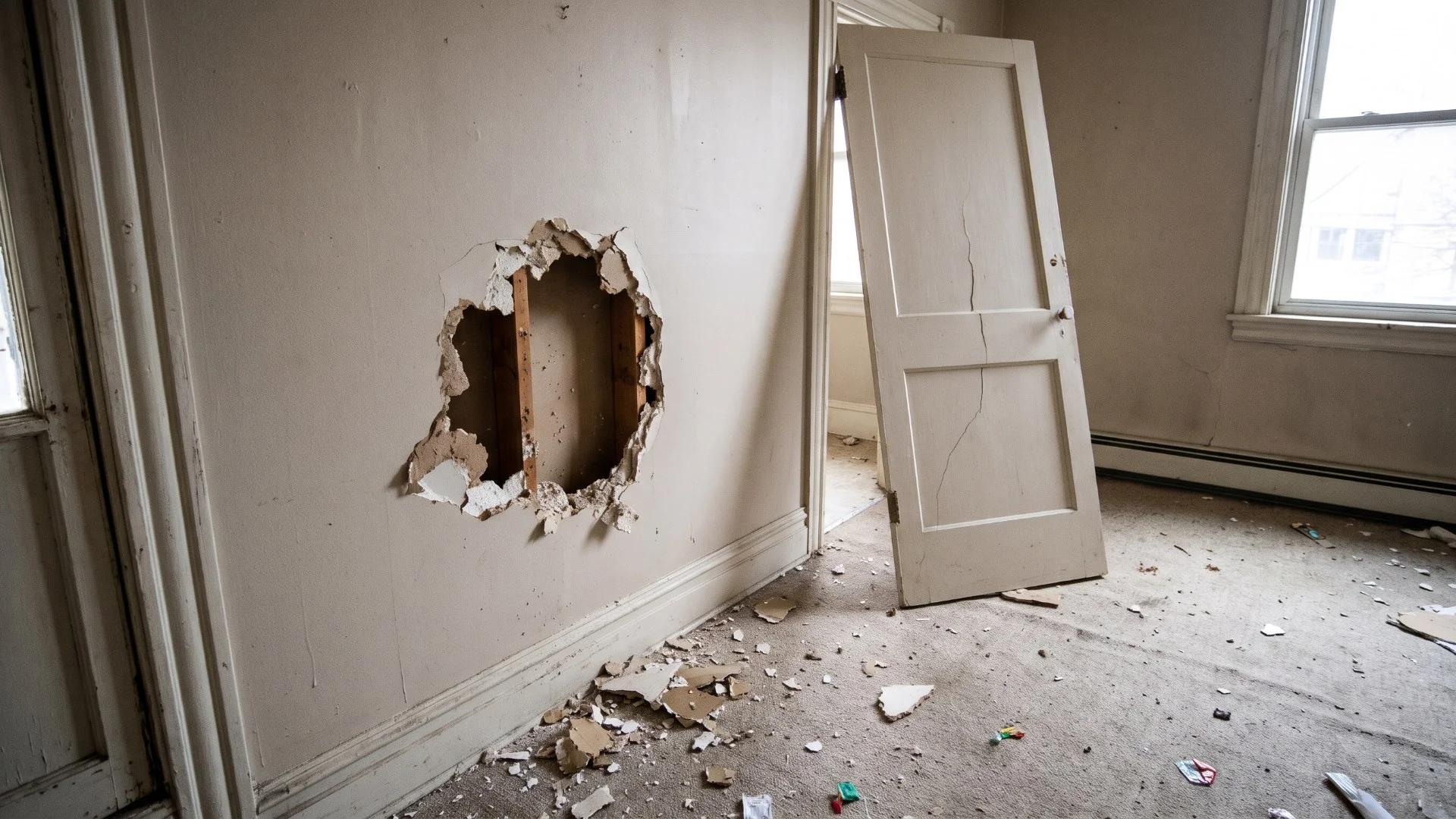
  • Move-In and Move-Out Inspections in Ontario: The Right Way to Document a RentalMoving & Settling
    ONArticle

    Move-In and Move-Out Inspections in Ontario: The Right Way to Document a Rental

    Ontario doesn't legally require a move-in or move-out inspection — but skipping one is how landlords lose damage claims and tenants lose deposits. Because Ontario bans damage deposits, an inspection report isn't a deduction tool; it's your evidence at the Landlord and Tenant Board. Here's how to document a rental prope

    10 min read
  • Ontario's New Rent Repayment Agreement Rules (July 2026): The Mandatory LTB Form ExplainedNews & Policy Updates
    ONArticle

    Ontario's New Rent Repayment Agreement Rules (July 2026): The Mandatory LTB Form Explained

    As of July 1, 2026, a rent-arrears repayment agreement filed with the Landlord and Tenant Board must use the Board's official form — no more handwritten deals on the back of an envelope. Here's how the new s.206 rule works: what the mandatory form covers, the section 78 clause that lets a landlord skip a new eviction n

    10 min read
  • Can Your Landlord Ban Your Air Conditioner? Ontario's New AC Rules (July 2026)News & Policy Updates
    ONArticle

    Can Your Landlord Ban Your Air Conditioner? Ontario's New AC Rules (July 2026)

    As of July 1, 2026, Ontario tenants have an explicit right to install a window or portable air conditioner — even when the landlord doesn't provide cooling. But the right comes with conditions: written notice first, a safe install, and a seasonal electricity charge the landlord can add in a way that breaks all the usua

    11 min read
  • The T5 Application: How Ontario Tenants Fight a Bad-Faith EvictionRights & Legal
    ONArticle

    The T5 Application: How Ontario Tenants Fight a Bad-Faith Eviction

    You moved out because your landlord "needed the unit" — then it went back on the market at a higher rent. That's a bad-faith eviction, and the T5 is how you fight back. This complete guide covers what counts as bad faith, the deadlines that split by reason (one year for an N12, up to two for an N13 renovation), the evi

    13 min read
  • The T2 Application: How Ontario Tenants Enforce Their RightsRights & Legal
    ONArticle

    The T2 Application: How Ontario Tenants Enforce Their Rights

    When a landlord enters without notice, harasses, changes the locks, or shuts off a vital service, the T2 is how an Ontario tenant fights back. This guide covers exactly what the T2 covers, the strict one-year deadline, the remedies you can ask for — rent abatement, compensation, an order to stop — and the mistakes that

    11 min read
  • The Last Month's Rent Deposit Rules in Ontario: A Landlord's GuideRent & Payments
    ONArticle

    The Last Month's Rent Deposit Rules in Ontario: A Landlord's Guide

    The last month's rent deposit is the most common — and most misunderstood — deposit in Ontario. It can only be used for the last month's rent, never for damage, and you owe your tenant interest on it every year. This guide shows landlords exactly what you can collect, how the annual interest and top-up work, and why al

    12 min read
  • Bookkeeping for Ontario Landlords: The Complete GuideTaxes & Deductions
    ONArticle

    Bookkeeping for Ontario Landlords: The Complete Guide

    Good bookkeeping is the difference between a rental that runs like a business and one that costs you at tax time. This complete guide shows Ontario landlords what records to keep, how to track income and expenses, which costs are deductible, how long the CRA expects you to keep everything, and how clean books flow stra

    13 min read
  • Guarantor Agreements in Ontario: A Landlord's GuideLease & Agreements
    ONArticle

    Guarantor Agreements in Ontario: A Landlord's Guide

    A guarantor can turn a borderline applicant into a safe one — but only if the agreement is set up properly and offered fairly. This guide shows Ontario landlords what a guarantor actually does, how to put a guarantee in place that holds up, how to screen and verify one, and the human-rights line you can't cross by dema

    11 min read
  • Income Verification for Self-Employed Tenants: A Landlord's GuideScreening & Applications
    CanadaArticle

    Income Verification for Self-Employed Tenants: A Landlord's Guide

    No pay stub doesn't mean no proof. Self-employed applicants — freelancers, contractors, gig workers, small-business owners — are a fast-growing share of Ontario renters, and screening them out for lacking a T4 is both bad business and a legal risk. This guide shows landlords which documents actually verify self-employe

    10 min read
  • Reference Check Questions That Actually Work: A Landlord's GuideScreening & Applications
    ONArticle

    Reference Check Questions That Actually Work: A Landlord's Guide

    A reference call is only as good as the questions you ask — and most landlords ask the wrong ones. This guide gives Ontario landlords the specific previous-landlord and employer questions that reveal real risk, the ones that catch coached or fake references, and how to ask them without straying into Human Rights Code t

    11 min read
  • Credit Checks for Ontario Landlords: How to Run One LegallyScreening & Applications
    ONArticle

    Credit Checks for Ontario Landlords: How to Run One Legally

    A credit check is one of the few screening tools Ontario law actually permits — but only if you do it right. This guide shows landlords how to get consent, run the check, read the report, and use it lawfully under the Human Rights Code, including the 2026 rules that make rental credit checks a no-score-impact soft inqu

    10 min read
  • Tenant Application Red Flags: What Ontario Landlords Should Watch ForScreening & Applications
    ONArticle

    Tenant Application Red Flags: What Ontario Landlords Should Watch For

    A clean-looking application can still hide trouble. This guide walks Ontario landlords through the real red flags on a rental application — refusal to consent, inconsistent details, references that don't check out, gaps in rental history — and, just as importantly, how to act on them lawfully without crossing into Huma

    12 min read
  • How to Screen Tenants in Ontario: A Landlord's Complete GuideScreening & Applications
    ONArticle

    How to Screen Tenants in Ontario: A Landlord's Complete Guide

    Screening the right tenant is the single best way to avoid problems later — but in Ontario you have to do it within strict Human Rights Code limits. This complete guide walks landlords and property managers through a legal, effective screening process: applications, credit and reference checks, income verification, wha

    13 min read
  • The N13 Notice in Ontario: Demolition, Conversion, and Major Repairs ExplainedRights & Legal
    ONArticle

    The N13 Notice in Ontario: Demolition, Conversion, and Major Repairs Explained

    The N13 is the notice an Ontario landlord uses to end a tenancy to demolish, convert, or do major repairs that need the unit empty. This guide walks through the three grounds, the 120-day notice rules, the compensation and right-to-return, and exactly how the process works — for both landlords serving one and tenants w

    12 min read
  • Ontario Renovictions: A Complete Guide for Landlords and TenantsRights & Legal
    ONArticle

    Ontario Renovictions: A Complete Guide for Landlords and Tenants

    "Renoviction" is when a landlord uses renovations to end a tenancy — sometimes legitimately, sometimes not. This complete guide explains how the N13 process actually works, the compensation and right-to-return rules, the new licensing crackdown under Bill 60/97, and how both landlords and tenants can stay on the right

    15 min read
  • The L10 Application: How Ontario Landlords Collect Money a Former Tenant OwesRights & Legal
    ONArticle

    The L10 Application: How Ontario Landlords Collect Money a Former Tenant Owes

    When a tenant moves out still owing you money, the L10 lets you take them to the LTB to collect — rent arrears, NSF charges, and utility costs. Here's who can use it, the one-year deadline that catches landlords out, what you can claim, and how to file and actually get paid.

    10 min read
  • The L9 Application: How Ontario Landlords Collect Rent Without EvictingRights & Legal
    ONArticle

    The L9 Application: How Ontario Landlords Collect Rent Without Evicting

    The L9 lets an Ontario landlord ask the LTB for an order that a current tenant pay the rent they owe — without ending the tenancy. Here's when to use the L9 instead of an L1, how to file it, what the LTB can order, and how to actually collect once you win.

    10 min read
  • N7 Notice in Ontario: A Landlord's Guide to Ending a Tenancy for Serious ProblemsRights & Legal
    ONArticle

    N7 Notice in Ontario: A Landlord's Guide to Ending a Tenancy for Serious Problems

    The N7 is Ontario's notice for ending a tenancy when a tenant causes serious problems — safety threats, wilful damage, or dangerous misuse. Here's when landlords can use it, the strict 10-day timeline, why it can't be voided, and the mistakes that get applications thrown out at the LTB.

    13 min read
  • N5 Notices in Ontario: A Complete Guide to Addressing DisturbancesRights & Legal
    ONArticle

    N5 Notices in Ontario: A Complete Guide to Addressing Disturbances

    The N5 is Ontario's most-used notice for tenancy issues that aren't about money — interference, damage, or overcrowding. This 2026 guide explains the unique two-N5 rule, what tenants can do to void the notice, and what landlords must document to make an N5 stand up at the LTB.

    21 min read
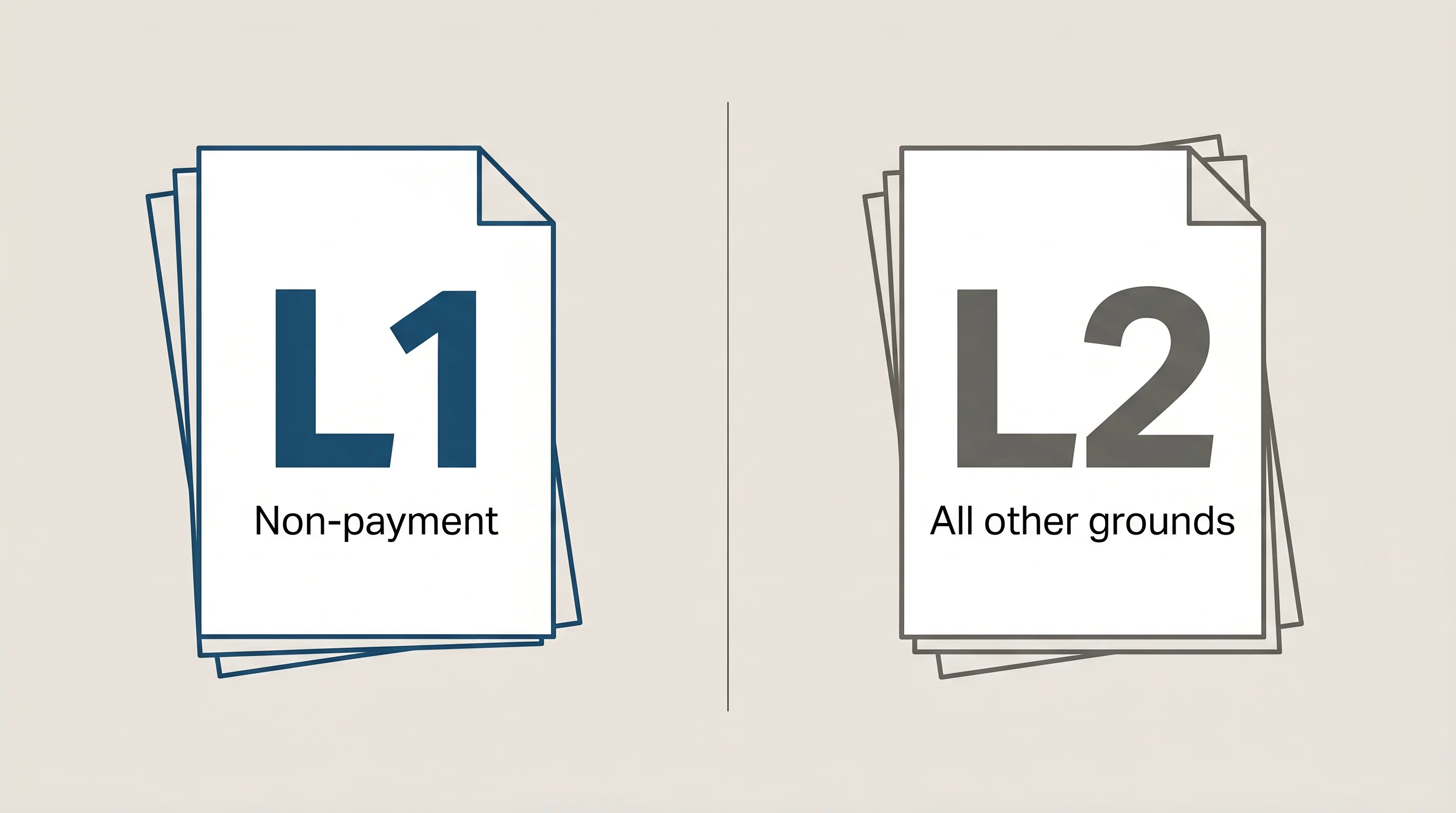
  • L1 vs L2 LTB Applications: Understanding the DifferenceRights & Legal
    ONArticle

    L1 vs L2 LTB Applications: Understanding the Difference

    Confused about whether to file an L1 or L2 at the Ontario LTB? This 2026 guide breaks down when each application applies, what notices they follow, how hearings differ, and what documentation landlords need to win.

    19 min read
  • Becoming a Landlord in Ontario: The Complete First-Timer's GuideRights & Legal
    ONArticle

    Becoming a Landlord in Ontario: The Complete First-Timer's Guide

    Thinking about renting out your property in Ontario? A complete 2026 guide to becoming a landlord — from your first legal obligations under the RTA to setting rent, screening tenants, collecting rent, and avoiding the mistakes that catch first-timers off guard.

    22 min read
  • Ontario N12 Notices: A Complete Guide to Own-Use Tenancy EndingsRights & Legal
    ONArticle

    Ontario N12 Notices: A Complete Guide to Own-Use Tenancy Endings

    A complete 2026 guide to Ontario N12 notices. Understand when own-use ends a tenancy, the compensation rules under Bill 60, the good faith requirement, and how the process works for landlords, property managers, and tenants receiving an N12.

    24 min read
  • Ontario Rent Increases 2026: The Complete N1 GuideRights & Legal
    ONArticle

    Ontario Rent Increases 2026: The Complete N1 Guide

    A complete 2026 guide to rent increases in Ontario. Understand the 2.1% provincial guideline, the 90-day N1 notice requirement, when rent increases apply, what voids them, and how the process works for landlords, property managers, and tenants alike.

    16 min read
  • Fixed-Term Leases in Ontario: Why They All Convert to Month-to-MonthLease & Agreements
    ONArticle

    Fixed-Term Leases in Ontario: Why They All Convert to Month-to-Month

    Think your tenant's lease "expires" when the term ends? Think again. In Ontario, fixed-term leases automatically convert to month-to-month tenancies—and landlords can't force tenants to leave or sign a new lease. Learn how this works and what your options really are.

    15 min read
  • The 60-Day Rule: How Ontario Landlords Accidentally Create New TenanciesRights & Legal
    ONArticle

    The 60-Day Rule: How Ontario Landlords Accidentally Create New Tenancies

    Miss this critical 60-day window and your unauthorized occupant becomes a legal tenant—with full RTA protections and rent control intact. Learn how section 104(4) of the Residential Tenancies Act creates "deemed assignments" and what every Ontario landlord must do to protect their property.

    16 min read
  • Is My Lease Legal? Common Ontario Lease Mistakes That Void Your TermsLease & Agreements
    ONArticle

    Is My Lease Legal? Common Ontario Lease Mistakes That Void Your Terms

    Think your Ontario lease is solid? Many landlords discover too late that their lease contains errors that get thrown out at the LTB. Learn how to audit your existing lease, identify red flags, and fix problems before they cost you thousands.

    15 min read
  • Ontario Standard Lease 2026: The Complete Guide for LandlordsLease & Agreements
    ONArticle

    Ontario Standard Lease 2026: The Complete Guide for Landlords

    Everything Ontario landlords need to know about the Standard Lease in 2026. Learn what's required, what you can add, common mistakes to avoid, and how to create a legally compliant lease under the new Bill 60 rules.

    20 min read
  • Got an N4 Notice? Here's What to Do (Don't Panic)Rights & Legal
    ONHow-to

    Got an N4 Notice? Here's What to Do (Don't Panic)

    Received an N4 Notice from your landlord? Don't panic — you have options. Learn the exact steps to take, critical deadlines to know, and mistakes that could cost you your home. This guide walks Ontario tenants through everything from voiding the notice to preparing for an LTB hearing.

    15 min read

Showing 264 of 267

Load more guides